
Black Moon Lilith in the First House Explained
Moon

Black Moon Lilith in the First House Explained

Black Moon Lilith in the first house: what this placement is said to mean for identity, presence, and self-expression in modern astrology.

Manishankar5 min read
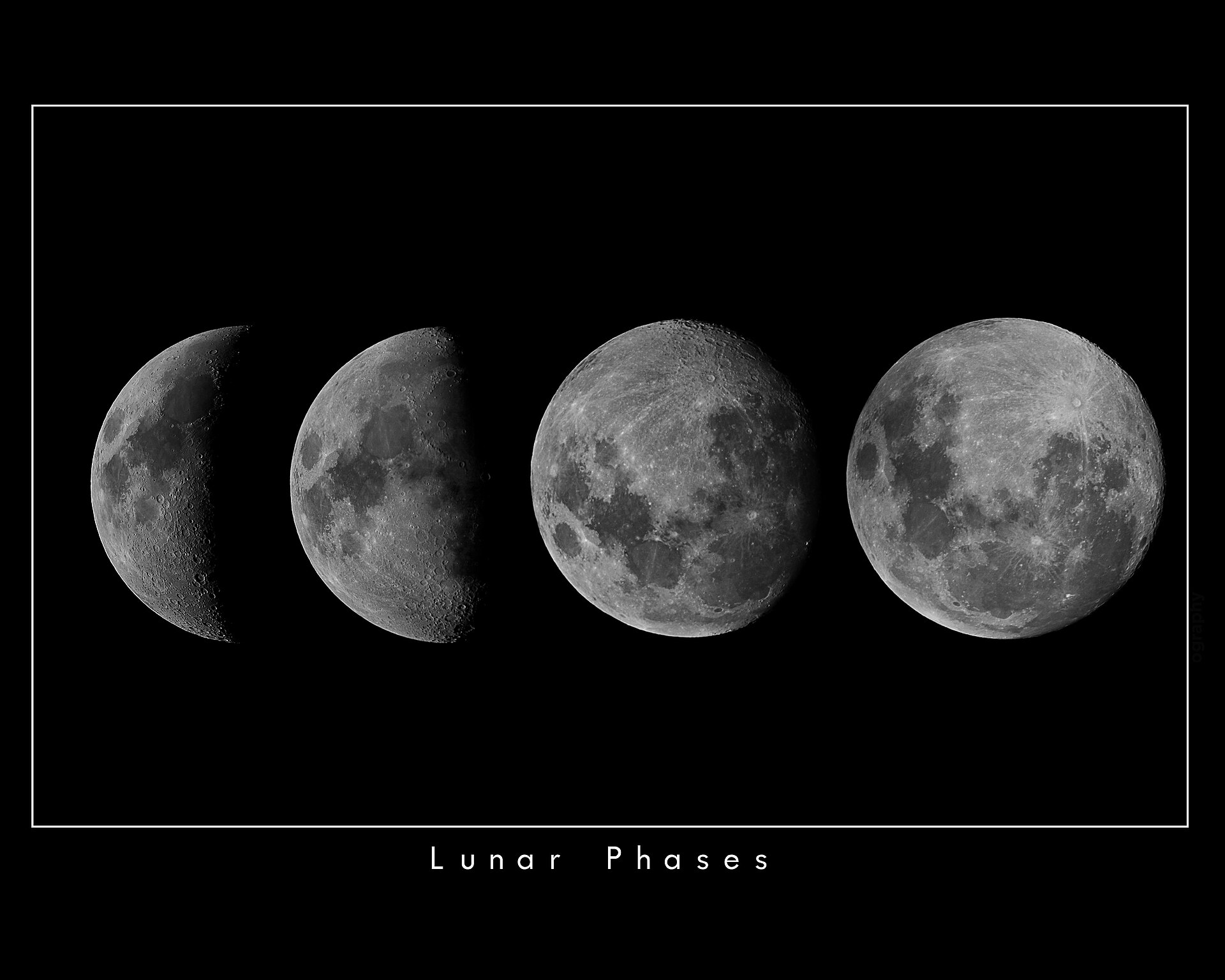
Photo: David Warrington from England / Wikimedia Commons (CC BY 2.0)

Black Moon Lilith in the First House: What This Placement Is Said to Mean

Black Moon Lilith in the first house is read as a signature of visible self-possession. In Western astrology, Black Moon Lilith is not a planet. It is a calculated point marking the far end, or apogee, of the Moon's elliptical orbit, the place where the Moon travels farthest from Earth. It is a modern addition to the astrological toolkit, and the two versions most astrologers work with, mean and true Lilith, can land in slightly different degrees. The first house, by contrast, is the oldest and most personal slice of the chart: the self, the body, physical appearance, first impressions, and the way someone meets the world. Put the two together and you have a placement that describes how an untamed, often unspoken part of a person becomes the very thing others notice first.

What Astrologers Mean by Lilith

Because Black Moon Lilith is a point rather than a body, it has no light and no orbit of its own to track across the sky. Astrologers treat it as a symbolic marker, named for the figure in myth who refused to submit. In practice, Lilith is read as the place in a chart where someone will not be tamed, where a suppressed or disowned part of the self presses for acknowledgment. It is not a planet that acts; it is a point that names a theme. The NASA record of the Moon's orbit is a useful reference for how the lunar apogee is defined, even though the astrological point is a separate, symbolic construct.

The house carrying Lilith shows the arena where that theme plays out. The first house is the stage of the self, the body, and the way a person walks into a room. So Black Moon Lilith here is read as raw, unedited selfhood made public, the part of someone that resists smoothing over, whether or not they intend it. Because the first house begins at the ascendant, the placement sits right at the threshold where a private self becomes a visible one.

How the Placement Is Read

Astrologers generally describe first-house Lilith as magnetism with an edge. Someone with this placement may come across as intense, unbothered by approval, or quietly refusing the version of themselves that would be easier to accept. Others may project onto them: seeing defiance, allure, or danger where the person simply feels like themselves. The placement is often linked to themes of the body and appearance, since the first house rules both. It can show up as a complicated relationship with being looked at, or as a style that is unmistakably their own.

Another common reading involves the gap between inner and outer. A person may feel unremarkable from the inside while others respond to something charged on the surface. First-house Lilith is sometimes described as the part of the self that was judged early and later reclaimed, which is why it so often coincides with a strong presence that took time to own.

None of this is a verdict. In astrology, no placement is good or bad on its own. The same signature is read as guarded in one chart, magnetic in another, and simply private in a third, depending on the rest of the chart and on the person living it. Traditional and modern astrologers also disagree about how much weight any calculated point should carry, and mean and true Lilith can place it in different signs or degrees, so two astrologers may frame the same placement differently. Read it as symbolism, not as a script.

Working With First-House Lilith

The reflective value of this placement is the invitation to notice where you edit yourself and where you have stopped. If Black Moon Lilith in the first house is a live theme, the useful question is not what it will bring but what it already describes: the moment you stopped apologizing for taking up space, the outfit you wear when you want to feel like yourself, the way your face settles when no one is watching. Some people find that this placement names an old story about being too much, and that simply seeing the story clearly loosens its grip a little.

Because the first house is about the body, this is also a placement people associate with embodiment in the broadest sense, being present in a physical self rather than observing it from a distance. Astrology does not diagnose or treat anything, and if questions about body, health, or self-image feel heavy rather than interesting, a qualified professional is the right person to talk to. Where Lilith is concerned, the chart is a mirror for reflection and entertainment, not a reason to make or avoid any real-world decision. For readers who want to understand how Lilith is framed more broadly, our related coverage on reading calculated points in the birth chart goes deeper into the symbolic method.

Placed in the first house, Black Moon Lilith is read as the untamed self wearing a public face. It describes presence, projection, and the slow work of owning what other people see. Whether it lands as armor, allure, or plain honesty is up to the chart around it and the life inside it.

For the source point itself, the sign Lilith occupies colors the style of that refusal, and the aspects it makes show where it meets the rest of the chart.

Today's Horoscope

October 11, 2026

All signs →

Get Your Horoscope in Your Inbox

A weekly note on your sign, the moon, and what the stars are up to. No spam, unsubscribe anytime.

We respect your privacy. Unsubscribe at any time.