Blue Moons and Seasonal Blue Moons Explained
Moon

Blue Moons and Seasonal Blue Moons Explained

Blue moons and seasonal blue moons explained: what the calendar quirk means in astrology, how each is read, and why the name rarely matches the sky.

Surya5 min read
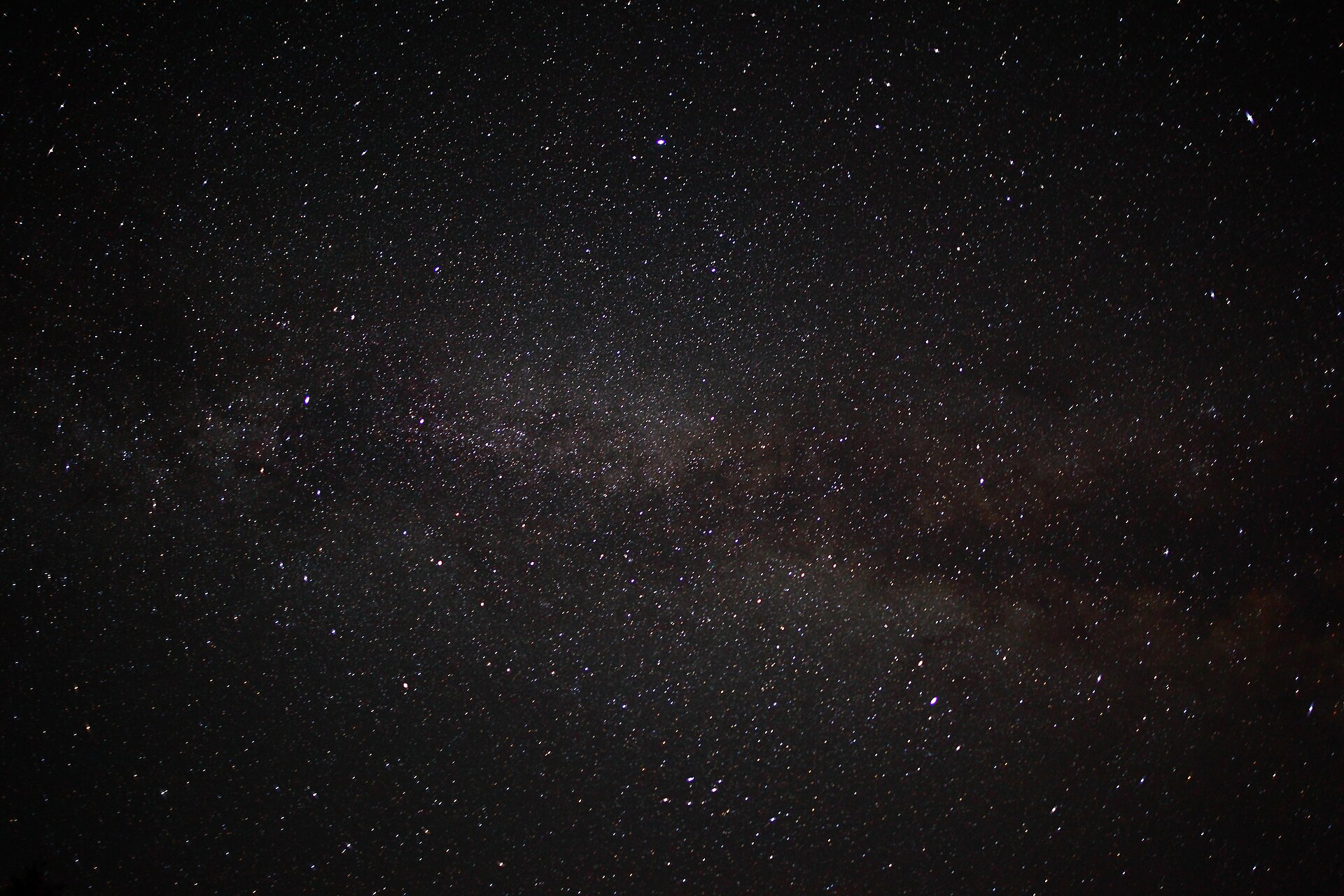
Photo: ForestWander / Wikimedia Commons (CC BY-SA 3.0 us)

Blue Moons and Seasonal Blue Moons: The Calendar Quirk Explained

A blue moon is not an astronomical event, and it is not a color. It is a naming quirk, produced by the mismatch between the roughly 29.5-day lunar cycle and the human calendar, and it comes in two distinct forms. The older definition is seasonal: the third full moon in a season that contains four. The newer and more popular one is monthly: the second full moon inside a single calendar month. Both describe the same underlying arithmetic, and both are worth understanding as pieces of sky lore rather than as omens. Blue moons and seasonal blue moons: the calendar quirk explained is really a story about counting.

What a Blue Moon Actually Is

The 29.5-Day Cycle Meets the 12-Month Year

The Moon takes about 29.5 days to travel from one full phase to the next. A calendar month runs between 28 and 31 days, so the lunar and civil cycles never line up neatly. Over a year, roughly 12.4 full moons occur. That leftover fraction is the entire engine behind the blue moon. Eventually it accumulates and pushes an additional full moon into a period the calendar or the seasons had already accounted for. Nothing in the sky changes when this happens. Only the ledger does.

Advertisement[SIDEBAR_RIGHT_2]

Neither Definition Involves Color

The name has nothing to do with the Moon's appearance. A blue moon looks like any other full moon. The phrase entered English as an idiom for something absurd or impossible, in the same spirit as "when pigs fly," and only later attached itself to the calendar phenomenon. Rare atmospheric conditions, such as certain volcanic aerosols or smoke, can genuinely tint the Moon, but those events are unrelated to the two definitions astrologers and almanac writers use. According to NASA, the term has always described timing rather than tint.

The Seasonal Blue Moon

The Third Full Moon in a Season of Four

This is the older meaning, and the one most almanacs used first. Seasons are defined by the solstices and equinoxes, and each normally holds three full moons. When a season stretches to fit four, the third of the four is called the blue moon. The reason it is the third rather than the fourth is practical: keeping the count in order preserves the traditional names assigned to the other full moons relative to the seasonal markers. Move the label and the whole sequence of names shifts with it.

How Often It Happens

A seasonal blue moon arrives roughly every two to three years, though the spacing is irregular because season lengths vary slightly. It is not a rare celestial alignment, just a bookkeeping result of a 365-day year that does not divide evenly by a 29.5-day month or by four seasons. The Farmer's Almanac has tracked this older definition for generations, and it remains the version many traditional almanacs prefer.

Advertisement[SIDEBAR_RIGHT_6]

The Monthly Blue Moon

Two Full Moons in One Calendar Month

The monthly version is the one most people mean today: a calendar month that contains a second full moon. Because a 29.5-day cycle is shorter than every month except February, this is possible whenever a full moon falls in the first day or two of a month and the next one squeezes in before the month ends. February, at 28 days, can never host one. That single exception explains why the monthly blue moon turns up in some months and never in others.

Where the Modern Definition Came From

The monthly definition is the newer of the two. It circulated through mid-twentieth-century astronomy writing and radio, then reached a mass audience through a widely reprinted magazine article, and the naming was later traced back through older almanac sources. The popularization displaced the seasonal meaning in everyday speech, which is why two people can use the same phrase and mean different things. In practice, the monthly blue moon occurs about once every two and a half years, similar in frequency to the seasonal kind, though the two do not coincide. The next one is always a matter of checking a calendar rather than watching for a sign.

Advertisement[SIDEBAR_RIGHT_7]

Reading a Blue Moon in Astrology

The Symbolism Astrologers Attach to It

In astrological tradition, a full moon is read as a moment of culmination, when something seeded at the previous new moon reaches visibility. Many astrologers treat a blue moon as an emphasis of that theme. An extra full moon in a month, or one that sits outside the expected seasonal pattern, is read as a reminder that the calendar is a human invention layered over a rhythm that does not obey it. Some read the second full moon in a month as a second chance to review a matter, and the seasonal version as a signal to look at what the season as a whole is asking for. These are interpretive conventions, not claims about events, and they are offered as reflection rather than prediction. In that sense the blue moon fits astrology's long habit of reading meaning into timing, even when the timing is something we made up.

What a Blue Moon Does Not Do

A blue moon does not carry astronomical influence, and no placement in a chart is activated by it in a way that obliges a decision. Astrologers who work with lunar phases tend to treat them as timing markers for journaling, planning, or noticing what has come to a head. Anyone weighing a real choice about health, money, or a legal matter should talk it through with a qualified professional.

If you want to go deeper, look for our explainers on lunar phases in the birth chart and on how full moons are read by sign, which cover the placement-level detail this overview leaves aside.

Today's Horoscope

September 23, 2026

All signs →

Get Your Horoscope in Your Inbox

A weekly note on your sign, the moon, and what the stars are up to. No spam, unsubscribe anytime.

We respect your privacy. Unsubscribe at any time.