Born Under a New Moon: What the Natal Phase Says About You
If you were born under a new moon, the Sun and Moon stood at the same degree of the zodiac on your birthday. In a natal chart, that meeting point is read as beginnings, instinct, and a private inner life. It is a phase placement, not a guarantee, and astrologers treat it as one layer of a much larger picture. A new moon birth describes a temperament rather than a destiny. It says more about how you start things than about how they end.
How Astrologers Read the New Moon Phase
The Sun and Moon Together
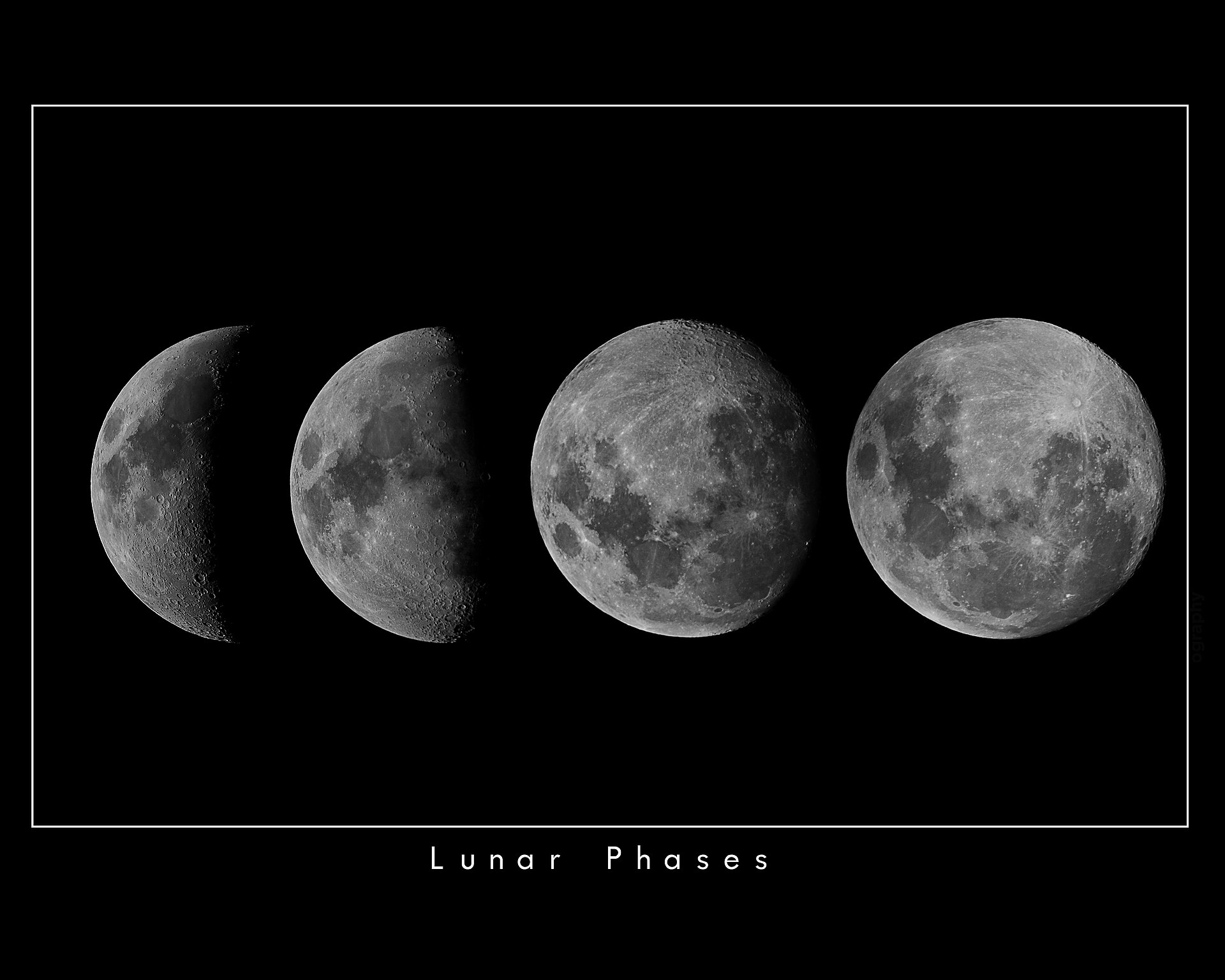
The Moon phase at birth is set by the angle between the natal Sun and Moon. At a new moon, that angle is zero. The two bodies sit together, and the Moon is invisible in the sky. Astronomers call this the moment the Moon passes between the Earth and the Sun, which is why no lunar light reaches us. Astrologers read that conjunction as an inward orientation.
A full moon is often described as bright, outward, and relational. A new moon reads as seed-like and self-contained. The comparison is structural, not moral. Each phase describes a different angle between the two lights, and each angle is read as a different relationship between self and feeling.
A Temperament of Beginnings
In this reading, people born under a new moon are said to carry an instinct for starting rather than finishing. They act on gut feeling before they can explain themselves, and they often prefer to begin something quietly rather than announce it. Because the Moon is not yet visible, the emotional life may take time to surface, even to the person living it.
That same quality is sometimes read as self-reliant. Needs get met privately, and asking for support can feel less natural than handling things alone. None of this is a verdict. A placement is not good or bad on its own, and the same signature can read as quiet resolve in one life and as unspoken longing in another. Astrologers generally treat the phase as a tone rather than a script, which is why two people with the same placement can describe it very differently.
Strengths and Blind Spots
Commonly described gifts include initiative, fresh perspective, and a low tolerance for stale routines. Commonly described friction includes difficulty reading your own moods in real time, a habit of mistaking a beginning for a whole plan, and a sense that you should already know what you feel.
Astrologers also look at which sign the conjunction falls in and which house it occupies. A new moon in an earth sign is read differently from one in air, fire, or water, and a first-house placement is read differently from a twelfth. The phase sets the tone; the sign and house set the subject. Our guide to the natal Moon sign covers that second layer in more detail.
Why the Phase Matters as Much as the Sign
The new moon phase describes the relationship between your sense of self and your emotional world, not the flavor of either one. That relationship is what makes the phase placement worth reading on its own, and it is why astrologers rarely discuss one without checking the other.
Finding Your Natal Moon Phase
Check the Angle, Not the Date
You can identify your phase from a birth chart rather than from a calendar. Look for the Sun and Moon glyphs. If they sit in the same sign, or within about a few degrees of each other, you were born near a new moon. The tighter the orb, the more strongly the placement is usually read. Reliable chart calculators such as Astro.com and Astro-Seek show the exact degree of each body, which is the number that matters here.
The Difference Between Phase and Moon Sign
These are two separate pieces of information, and they are easy to blur together. The Moon sign says which sign the Moon occupied. The phase says how far the Moon had traveled from the Sun. Someone with a Taurus Moon can be born under a new moon, a full moon, or anything in between. The sign stays Taurus while the phase changes everything about how it is read.
Knowing both gives you a fuller picture. The Moon sign describes emotional style; the phase describes the direction that emotional style is pointed, inward toward the self or outward toward others.
A Note on Orbs and Boundaries
Phase is a spectrum. The eight phases astrologers usually work with blend into one another, and a chart that sits between a new moon and a waxing crescent is often read as sharing qualities of both. Precision here is about degrees, not days, which is why the phase does not change from year to year or depend on when you were born.
A Reflective Exercise
If the phase resonates, try noticing where you tend to begin things privately and where you wait for permission you never actually needed. Treat that as reflection, not diagnosis, and treat any real struggle with mood or direction as a matter for a qualified professional.
What the New Moon Phase Is and Is Not
Read as a temperament, the new moon placement points toward instinct, initiation, and an inner world that takes its time becoming visible. It is one thread in a chart, weighed alongside the Moon sign, the house, and everything else. It does not predict outcomes, and it does not make one birth chart better than another. Used as a lens for reflection, it offers a way to think about how you start things and how you come to know what you feel.