
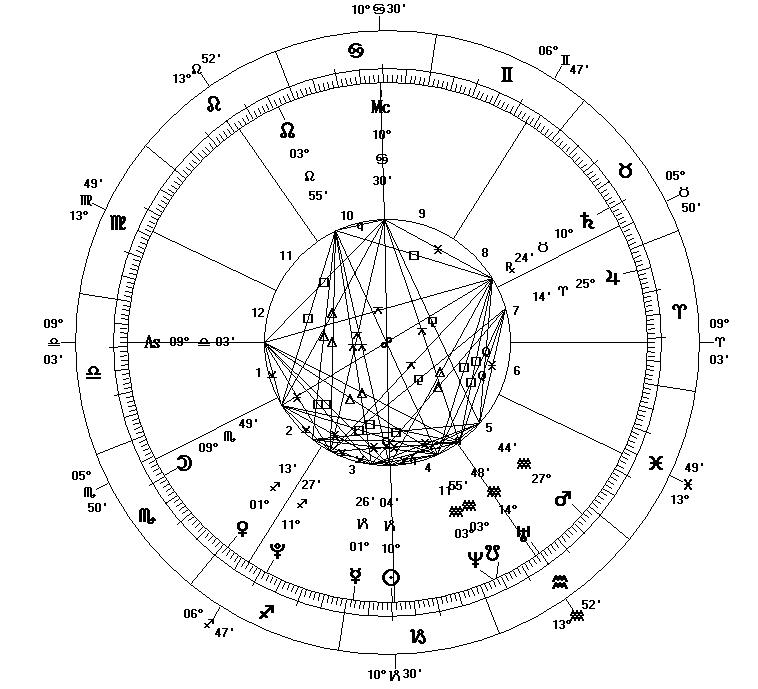
How the 4 Elements Group the Zodiac Signs
Astrology Basics

How the 4 Elements Group the Zodiac Signs

How the elements group the zodiac signs: fire, earth, air, and water. Learn what each element means for personality and compatibility.

Bhavya5 min read
Photo: Wikimedia Commons (CC BY-SA 3.0)

Fire, earth, air and water: how the elements group the signs

The twelve zodiac signs fall into four elements, three signs apiece, and each element is said to describe a core approach to life. Fire signs - Aries, Leo, Sagittarius - are read as driven and expressive. Earth signs - Taurus, Virgo, Capricorn - come across as practical and grounded. Air signs - Gemini, Libra, Aquarius - are seen as intellectual and social. Water signs - Cancer, Scorpio, Pisces - are viewed as emotional and intuitive. Every sign also carries one of three modalities - cardinal, fixed, or mutable - which astrologers use to describe how that element expresses itself. Element and modality together form a quick shorthand for reading any sign you do not know well.

What each element is said to describe

In Western astrology, the elements are not physical substances but symbolic temperaments. Fire reads as the principle of energy and will. Aries is often described as initiating, Leo as expressive, and Sagittarius as exploratory. Fire signs are said to act first and reflect later, pulled by enthusiasm and a desire to leave a mark.

Earth reads as the principle of form and stability. Taurus is tied to sensory comfort and persistence, Virgo to precision and service, and Capricorn to structure and ambition. Earth signs are often described as reliable and concrete, favoring what can be seen, touched, and measured.

Advertisement[SIDEBAR_RIGHT_2]

Air reads as the principle of connection and thought. Gemini links to curiosity and communication, Libra to balance and relationship, and Aquarius to innovation and collective ideals. Air signs are said to process the world through ideas and dialogue, prizing clarity and exchange over raw emotion.

Water reads as the principle of feeling and depth. Cancer connects to care and memory, Scorpio to intensity and transformation, and Pisces to imagination and empathy. Water signs are often described as attuned to emotional undercurrents, responding to what is felt rather than what is stated.

No element is better or worse. Astrologers treat them as complementary lenses, and most charts hold a mix, with some elements running stronger than others.

How the modalities shape the expression

The modality describes the style of action inside each element. Every element contains one cardinal, one fixed, and one mutable sign, so no element is one-note.

Advertisement[SIDEBAR_RIGHT_6]

Cardinal signs - Aries, Cancer, Libra, and Capricorn - are read as initiators. They start things, open doors, and set direction. A cardinal fire sign like Aries begins with bold action, while a cardinal earth sign like Capricorn begins with a plan. The element shifts what is being initiated, but the impulse to start is shared.

Fixed signs - Taurus, Leo, Scorpio, and Aquarius - are read as stabilizers. They sustain, deepen, and resist change once committed. A fixed earth sign like Taurus holds steady in material matters, while a fixed water sign like Scorpio holds steady emotionally. The element changes what is preserved, but the endurance is common.

Mutable signs - Gemini, Virgo, Sagittarius, and Pisces - are read as adapters. They shift, translate, and bridge. A mutable air sign like Gemini moves between ideas, while a mutable water sign like Pisces moves between emotional states. The element changes what is adapted, but the flexibility is shared.

When you meet an unfamiliar sign, astrologers often start by naming the element for temperament and the modality for style. A cardinal water sign is emotional but initiating; a fixed air sign is intellectual but resistant to change. The pairing gives a quick read without memorizing every trait.

Advertisement[SIDEBAR_RIGHT_7]

Using the two together as a reading tool

The element-modality grid is one of the oldest organizing tools in Western astrology, and it endures because it is simple. Twelve signs, four elements, each element appearing three times - yet each appearance stays distinct through its modality.

Consider the three fire signs. All share drive and warmth, but Aries is cardinal fire, restless and sparking starts. Leo is fixed fire, steady and loyal in expression. Sagittarius is mutable fire, adaptable and chasing the next horizon. The same logic holds for earth. Taurus is fixed earth, stable and stubborn; Virgo is mutable earth, practical and adjustable; Capricorn is cardinal earth, ambitious and building structures.

Air repeats the pattern. Gemini is mutable air, quick and conversational. Libra is cardinal air, initiating harmony and partnership. Aquarius is fixed air, holding to unconventional ideas. Water completes the set. Cancer is cardinal water, nurturing and initiating care. Scorpio is fixed water, intense and transformative. Pisces is mutable water, fluid and absorbing.

For a reader new to astrology, the grid offers a reliable entry point. Name the element first for temperament, then the modality for style of action. The combination is said to reveal a sign's essential character, and it explains why signs sharing an element can still behave very differently. This method is a framing device for reflection, not a predictive tool, but it remains one of the most consistent ways astrologers group the signs and make sense of their relationships. For a deeper look at how individual signs express these traits, browse the zodiac profiles on Horosly, or explore the houses to see where each element tends to show up in a chart.

Today's Horoscope

September 24, 2026

All signs →

Get Your Horoscope in Your Inbox

A weekly note on your sign, the moon, and what the stars are up to. No spam, unsubscribe anytime.

We respect your privacy. Unsubscribe at any time.