
Jupiter Transiting the First House: What It Means
Astrology Basics

Jupiter Transiting the First House: What It Means

Jupiter in the first house is read as a season of growth, confidence and reinvention. Here is how astrologers interpret this transit.

Hemeswari5 min read
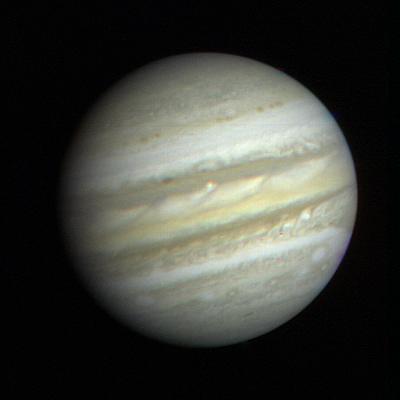
Photo: NASA/JPL / NASA (Public domain)

Jupiter Transiting the First House: How Astrologers Read a Year of Becoming More Visibly Yourself

A transit is just a planet's current position measured against your natal chart. When Jupiter moves through your natal first house, it crosses the part of the chart that covers the self, the body, appearance, and the way you meet the world. Jupiter is read for growth, generosity, and belief, so astrologers tend to describe this passage as expansion aimed at identity itself. It is often framed as a season of becoming more visibly yourself, though no placement is good or bad on its own. Jupiter spends about a year in each house and roughly twelve years circling the whole chart, which makes this a slow, cyclical passage rather than a single moment. Where Jupiter sits in your own chart is something you can check against your natal placements.

How a Jupiter Transit Through the First House Is Read

The first house is the chart's front door. It is traditionally associated with your physical presence, your style, your instinctive manner, and the first impression you leave. It is also the house of beginnings, of the self as it appears rather than the self as it privately feels. When Jupiter is read in this house, astrologers look at how someone relates to their own outline in the world: how they occupy space, how they introduce themselves, what they believe they are allowed to be.

Jupiter is associated with increase, optimism, generosity, faith, and the impulse to say yes. Placed by transit in the first house, those themes are said to settle on the question of selfhood. Common descriptions include a wider appetite for experience, more confidence in how you present yourself, an interest in learning that reshapes how you see your own potential, and a tendency to take up more room than usual. Some people report a changed relationship with their body or appearance, often expressed as simply feeling more comfortable in it. None of this is framed as guaranteed. It is a vocabulary for noticing what is already stirring, not a forecast of events. For a broader look at how Jupiter is interpreted across the chart, our Jupiter in the houses coverage pairs well with this piece.

Where Jupiter Meets the Self

The Early Months

Jupiter takes roughly a year to cross each house, so this is a slow passage rather than a single moment. In the opening stretch, astrologers often describe a loosening: restlessness, a sense of possibility, an urge to try something that does not fit your usual self-concept. It can feel like enthusiasm without a target yet. Some find it buoyant; others find it vaguely unsettling, the way any growth spurt is. The first house is about instinct rather than strategy, so the early phase is often read as a change in atmosphere before it becomes a change in direction.

The Middle and Later Stretch

As the transit continues, the themes are said to consolidate. What began as restlessness may settle into a clearer sense of how you want to be seen, or a willingness to be seen at all. The later months are often read as a period of integration, where the expansion you experimented with becomes part of how you carry yourself. Because Jupiter enlarges whatever it touches, astrologers also note the shadow reading: overpromising, overcommitting, or mistaking enthusiasm for a plan. That is a reflection about pacing, not a prediction. You can read more about Jupiter's general themes in our guide to the planet's role in the chart.

What Changes the Reading

Natal Planets in the First House

The reading is never just about Jupiter. Any planets sitting in your natal first house color the transit, because Jupiter is said to expand whatever it contacts. A natal Saturn there might be read as growth through structure and patience rather than ease. A natal Mars might point to more visible initiative. A natal Venus could emphasize appearance, charm, and pleasure in how you present. These combinations are interpreted, not fixed outcomes, and astrologers weigh the whole chart rather than a single factor.

The Sign and the Rest of the Chart

The sign Jupiter is moving through adds tone, and the house Jupiter rules in your own chart adds context, as does whatever else is happening in your chart at the same time. Astrologers read the whole picture rather than a single placement in isolation. Where Jupiter is in your chart is something you can check against your own natal chart, and many people prefer to do that with a full reading rather than a single keyword. For related reading, our overview of the first house and our explainer on transits versus natal placements both offer useful background.

Because the first house is about the self, this transit sometimes raises practical questions about work, money, or major decisions. Those are worth talking through with a qualified professional rather than reading from a chart alone.

What the transit offers, in the reflective sense most astrologers intend, is a year-long invitation to look at how you show up. Whether that becomes a new haircut, a new voice, or simply more room to breathe is less important than noticing the impulse while it is here. Jupiter returns to the same place about every twelve years, so the passage is both slow and cyclical. Take it as a prompt to ask what version of yourself you have been rehearsing, and whether it still fits.

Today's Horoscope

October 1, 2026

All signs →

Get Your Horoscope in Your Inbox

A weekly note on your sign, the moon, and what the stars are up to. No spam, unsubscribe anytime.

We respect your privacy. Unsubscribe at any time.