
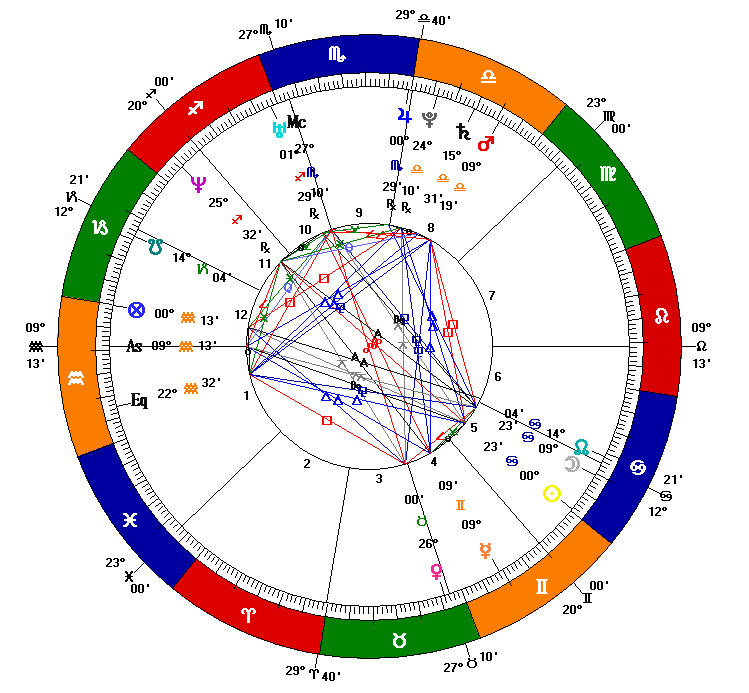
Money Houses in Astrology: 2nd & 8th Explained
Photo: Wikimedia Commons (CC BY-SA 3.0)
Career

Money Houses in Astrology: 2nd & 8th Explained

Read how the second and eighth houses frame money in astrology, from values and spending to shared resources and transformation.

Nagi4 min read

Western astrology reads the second and eighth houses as the two areas of a birth chart most tied to money, yet they frame it through very different lenses. The second house describes personal resources, earned income, and what you value. The eighth house speaks to shared resources, debts, inheritances, and other people's money. This is not financial advice or a forecast. It is a symbolic way of looking at someone's relationship with money, and any real financial decision belongs with a qualified adviser.

What the second house is read for

The second house carries the traditional name of the house of possessions. In a birth chart, it sits just after the ascendant, and astrologers read it as the realm of what you build on your own. Salary, savings, and anything acquired through personal effort fall here. So does your attitude toward stability and self-worth.

To describe how a person tends to handle personal finances, astrologers study the sign on the second house cusp, any planets inside it, and the ruler of that sign. Taurus on the cusp might suggest a careful and steady approach to earning. A fast-moving planet like Mercury in the house could point to income linked to communication or trade. The thread is that this house stays personal. It concerns what you bring in and what you feel secure owning.

Advertisement[SIDEBAR_RIGHT_2]

Astrologers often pair the second house with values. What you spend on, what you save for, and what you treat as non-negotiable are all said to show up here. That is why the house reaches beyond cash into the meaning you attach to things. It offers a reflection, not a prediction, of how you relate to earned wealth.

What the eighth house is read for

The eighth house stands opposite the second and is read for resources that arrive from outside your own earning. Shared finances in a marriage or partnership, taxes, loans, insurance, inheritances, and jointly controlled money all belong here. The house also carries a traditional link to transformation, since dealing with other people's money often involves change, loss, or renewal. Long-standing astrological associations connect these themes to the house's broader ties to matters of life and death.

Astrologers interpret the eighth house through its sign, planets, and ruler to describe how a person navigates shared financial terrain. Pluto in this house might suggest intense experiences with joint funds or debts. Venus here could indicate ease in receiving gifts or support from others. The house is not about what you make. It is about what you owe, what you inherit, and what you share. As astrology scholar Chris Brennan has noted, the ancient tradition already tied this house to legacies and partnership resources, a reading that continues into modern practice.

Advertisement[SIDEBAR_RIGHT_6]

Because the eighth house touches on mortality, taxes, and crisis, some readings treat it as heavier than the second. In a chart reading, though, it is simply another lens. It reveals patterns in how someone handles financial dependence on others, whether that means taking on a mortgage with a partner, managing a trust, or navigating alimony. It is never read as a guarantee of an outcome, only as a tendency worth noticing.

How the two houses work together in a chart

The second and eighth houses form an axis, always sitting opposite each other in the chart. Astrologers read them as complementary. The second house is what you own outright. The eighth is what you hold in common with others. A strong second house with a quiet eighth might suggest comfort with self-earned wealth and less focus on shared funds. The reverse could point to a life more shaped by partnerships and external resources.

When examining money themes, astrologers compare the rulers of both houses and any aspects between them. A harmonious connection might suggest that personal earning and shared finances flow together easily. A tense aspect could point to friction between wanting independence and needing to cooperate. This is interpretive language, not a statement of fact. The houses are best understood as two sides of one conversation about security.

Advertisement[SIDEBAR_RIGHT_7]

Neither house dictates wealth. A chart can have an empty second house and still describe someone who earns comfortably, because the sign on its cusp and its ruler carry much of the meaning. The houses form a framework for reflection, helping a person see their own habits and attitudes toward money more clearly. You might read about the first house for self-image or the tenth for career, but money themes always circle back to this axis.

If questions about actual finances arise, whether about investing, borrowing, or planning for the future, a qualified financial adviser is the right resource. Astrology offers a mirror, not a plan, and its value lies in self-understanding rather than practical guidance. The second and eighth houses simply give words to two ways money shows up in a life: what you build and what you share.

Today's Horoscope

September 24, 2026

All signs →

Get Your Horoscope in Your Inbox

A weekly note on your sign, the moon, and what the stars are up to. No spam, unsubscribe anytime.

We respect your privacy. Unsubscribe at any time.