
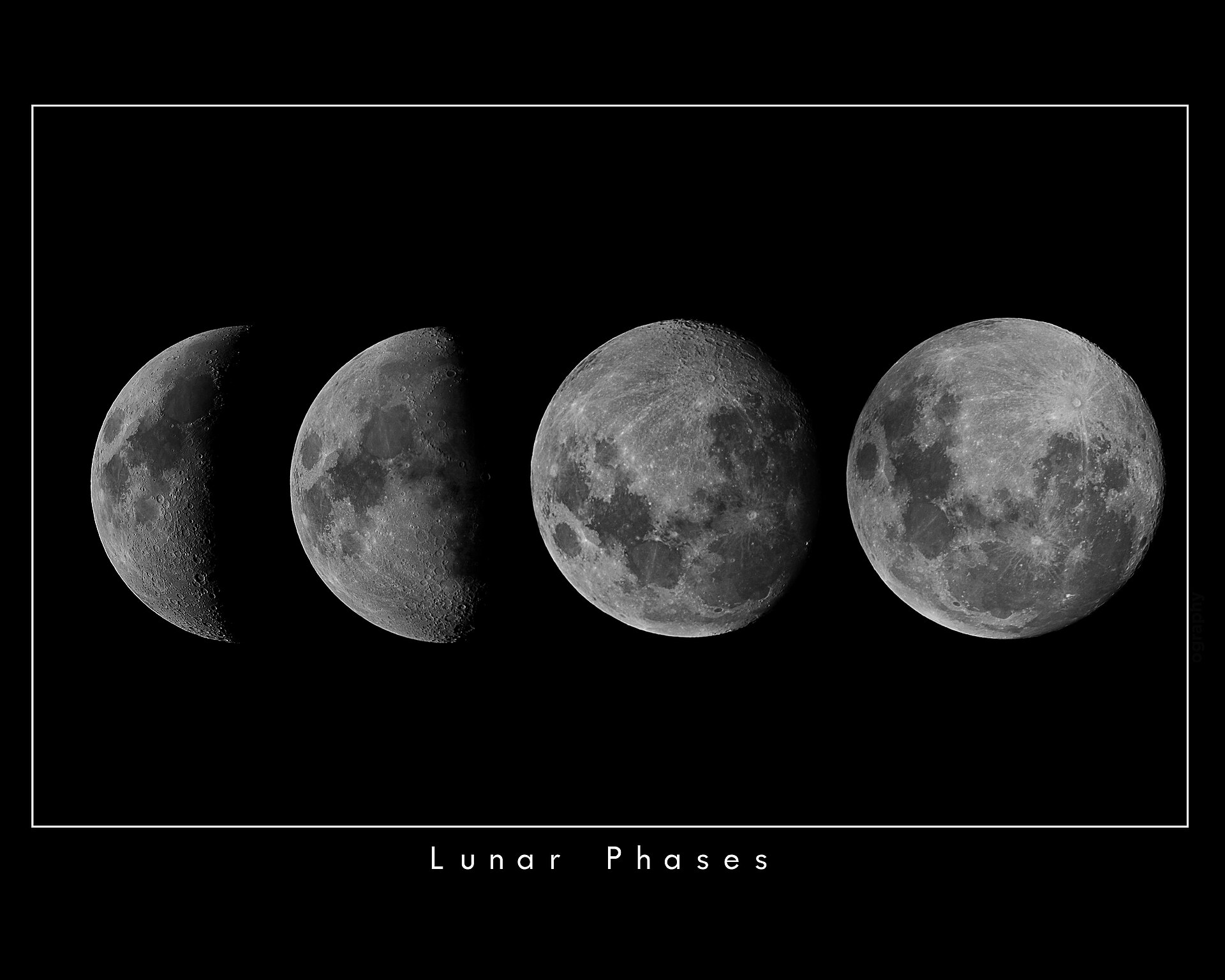
Moon Conjunct Neptune in the Birth Chart Explained
Photo: David Warrington from England / Wikimedia Commons (CC BY 2.0)
Moon

Moon Conjunct Neptune in the Birth Chart Explained

Hemeswari4 min read

What Moon Conjunct Neptune in a Birth Chart Is Read to Mean

Moon conjunct Neptune in a birth chart describes someone whose emotional life and imaginative life are woven together. A conjunction is an angle of about zero degrees, two bodies side by side in the same part of the zodiac, and astrologers read it as fusion: the two act as one combined force rather than two separate voices. The Moon is traditionally read for emotional needs, instinctive reactions and what brings comfort; Neptune for imagination, idealism, compassion and the blurring of boundaries.

Held together, they are said to describe someone who feels in images and absorbs the moods around them. Feelings may arrive as atmosphere before they arrive as words. This is a natal placement, fixed at birth, not a passing transit, and it is read as a tendency and a texture rather than a destiny. No placement is good or bad on its own, and this one is no exception.

How Astrologers Read the Blend

The Moon's Needs Through Neptune's Lens

Astrologers describe the emotional register here as unusually porous. The person may need solitude, music, water, prayer or art the way others need conversation, and comfort is often sought in what dissolves edges rather than what firms them. Because Neptune is linked with compassion, the placement is frequently read as deep empathy, a capacity to sense what someone else is carrying without being told.

The usual caution attached to it is boundary-related: the same openness that makes a person kind can make it hard to tell which feelings are theirs and which belong to the room. That is a description of temperament, not a flaw, and many people with this contact learn to work with it rather than against it.

One Strong Expression and One Challenging One

A strong expression is often described as a luminous inner life: vivid dreaming, intuitive accuracy, artistic sensitivity, and a gift for making other people feel understood. Astrologers read the more challenging expression as emotional fog, a tendency to idealize people and then grieve the gap between the fantasy and the fact, or to withdraw into imagination when the practical world asks for something concrete. The placement itself is neutral; which expression shows up is generally read as a matter of maturity, support and the rest of the chart.

Orb, Signs and Houses

The conjunction's usual orb runs to roughly eight degrees, and the tighter it is, the more the two are said to speak as one. Because Neptune moves so slowly, the aspect appears in the charts of everyone born across a span of years, which is exactly why the personal details matter more than the contact itself. As NASA's own explanation of how planets move makes plain, the outer planets are slow travelers, so an aspect to Neptune lingers in the sky far longer than a contact to the Moon or Mercury ever could. Its orb and house placements are what make it personal.

The Moon's sign colors how feeling is expressed and what soothes it. The house holding the pair locates the arena: the fourth may tie the theme to home and family, the fifth to romance and creative work, the tenth to a public or vocational sense of calling, the twelfth to the inner and unseen. Any aspects from other planets sharpen, support or complicate the picture.

Living With a Permeable Chart Point

Reflective practice tends to center on discernment. Naming a feeling out loud, or writing it down, is often how this placement sorts signal from atmosphere. Time alone is not withdrawal here; for many it is how the emotional system resets. Astrologers also note that creative work gives the Neptune side somewhere to go, so the imaginative current has a channel instead of pooling.

In relationships, the placement is read as devoted and forgiving, with a known risk of seeing potential rather than reality. Gentle, specific questions tend to serve better than assumptions. The American Psychological Association offers general context on reflective practices, though astrology itself is a symbolic language rather than a clinical tool. The placement is not a verdict on anyone's character, and it is never a reason to postpone a real-world decision; for anything touching health, money or legal matters, a qualified professional is the right resource.

The fullest reading comes from the whole chart: the Moon's sign and house, Neptune's house, and the tightness of the orb together describe how this fusion actually behaves in a life. Read as a description of temperament rather than a forecast, Moon conjunct Neptune in a birth chart points to a person for whom feeling and imagination were never really separate things, and who is often at their most grounded when that current is given shape.

Today's Horoscope

October 16, 2026

All signs →

Get Your Horoscope in Your Inbox

A weekly note on your sign, the moon, and what the stars are up to. No spam, unsubscribe anytime.

We respect your privacy. Unsubscribe at any time.