
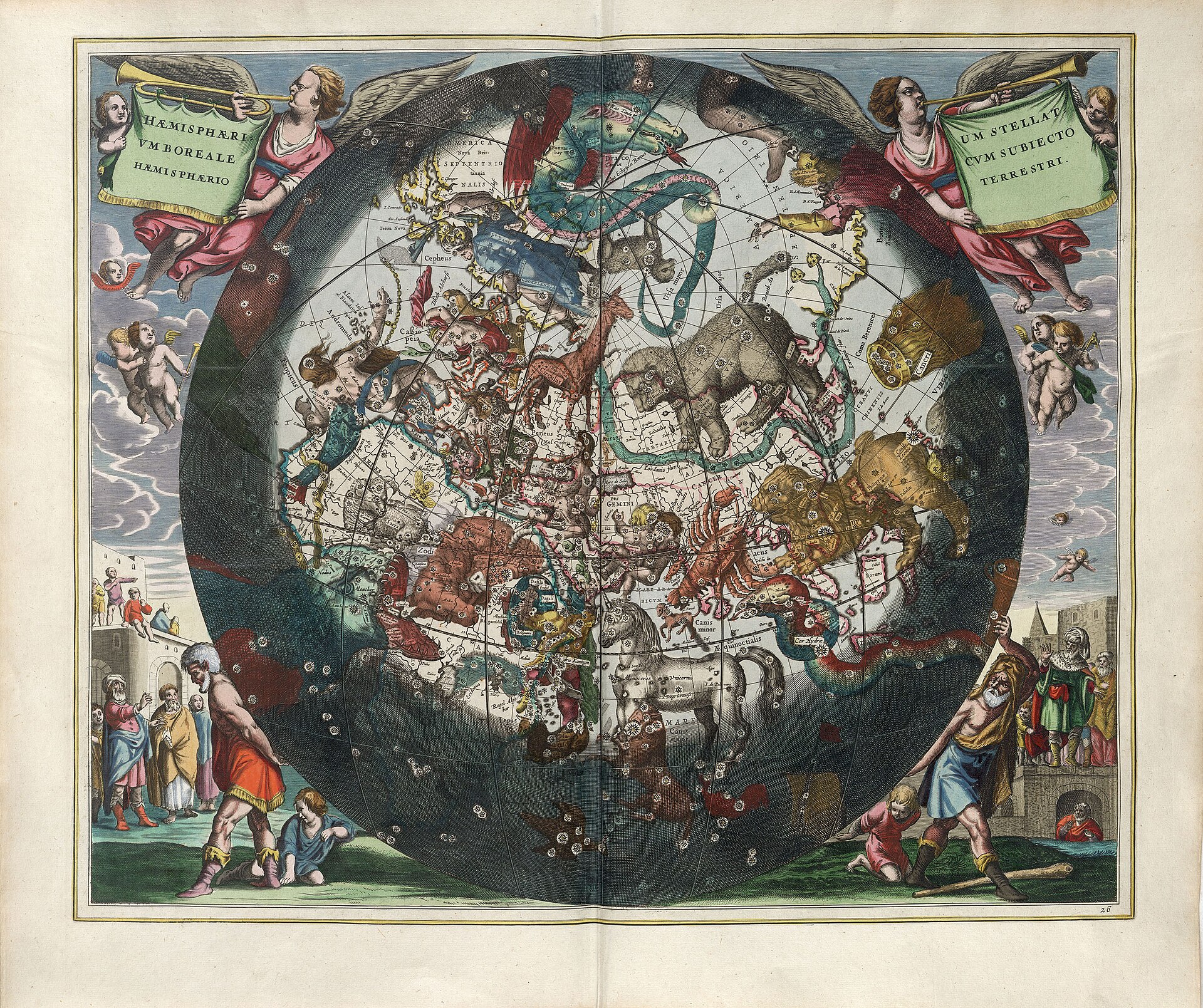
In Western astrology, the four mutable signs - Gemini, Virgo, Sagittarius and Pisces - are read as the closers of each season. They arrive at the end of a quarter, ready to adapt, edit and prepare for what comes next. Astrologers consider mutability a quality of flexibility, not fickleness. Where fixed signs hold steady and cardinal signs initiate, mutable signs are said to translate, adjust and bridge the gap between one phase and another. Each mutable sign expresses this adaptability through its own element, which shapes how change is handled. These signs are not about resistance; they are about response, and that distinction sits at the heart of how astrologers interpret them in a birth chart.
Why Mutability Means Flexibility, Not Unreliability
The word mutable comes from the Latin for changeable, and in astrology this is read as a capacity to shift with circumstances rather than a tendency to be unstable. Each season ends with a mutable sign - Gemini closes spring, Virgo closes summer, Sagittarius closes autumn and Pisces closes winter. Their position is seen as a natural transition point, a time for sorting what worked and letting go of what did not. This placement at the seasonal threshold is why astrologers associate mutability with endings that prepare the ground for new beginnings.
Astrologers describe mutable energy as responsive. People with strong mutable placements are often said to be easygoing, curious and open to new information. The sign is not read as weak for yielding; it is understood as knowing when a situation no longer serves its purpose. This makes mutability especially useful for roles that involve editing, teaching, traveling between worlds or caring for others. The challenge, in astrology, is that too much mutable energy can scatter focus, which is why placement, element and aspect are all considered before any interpretation is made. As the American Federation of Astrologers notes, modality is one of three core qualities used to describe planetary expression, alongside element and polarity.