
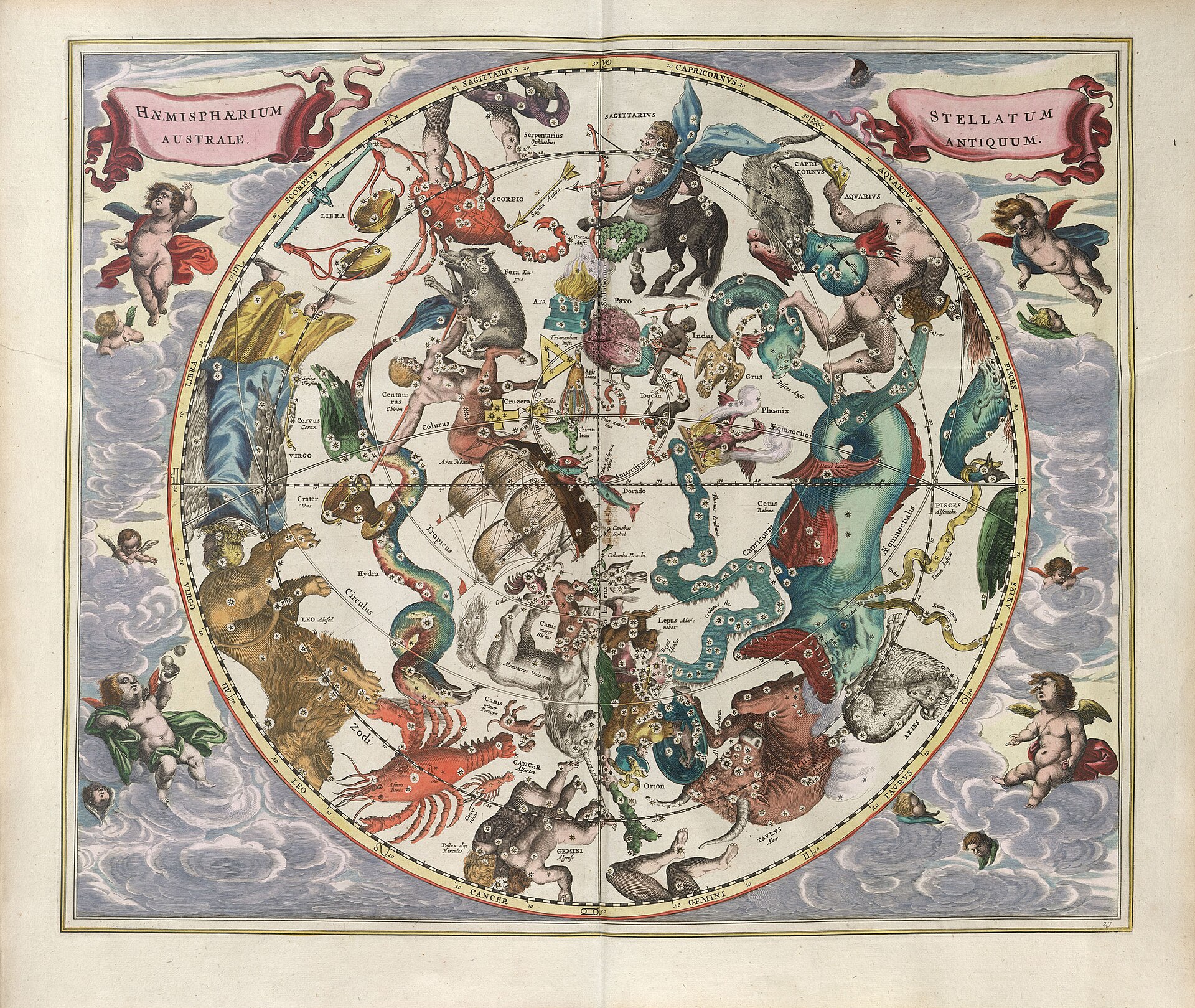
Neptune in the second house is a natal placement in Western astrology: the planet of dreams and compassion sitting in the house of money, possessions, and self-worth. Astrologers read it as a life where the material world gets filtered through feeling, meaning, and a pull toward sharing rather than hard accounting. It is not a prediction, and it is neither good nor bad on its own. Every placement describes a set of themes. None of them describes a fate.
What Neptune in the Second House Is Read to Mean
In Western astrology, Neptune stands for imagination, idealism, compassion, and the dissolving of boundaries. The second house is a succedent house covering resources, possessions, earned income, and personal values, and it is naturally tied to Taurus. Traditional and modern practitioners alike treat it as the house of what sustains a person, practically and emotionally, and of what they hold dear.
Put the two together and astrologers describe a meeting point between the dreamy and the practical. The material world gets imagined through a softer lens. Someone with this placement is often described as sensing money and worth on an emotional level rather than treating them as fixed, measurable things. Value becomes something felt as much as counted. Mainstream reference sites such as Astrology.com frame Neptune as the planet of illusion and the ideal, which helps explain why astrologers treat the second house themes as fluid here rather than firm.
Worth saying at the outset: this is a reflective lens. No Neptune in the second house is good or bad by itself, and how much of it shows up depends on the whole chart, the choices a person makes, and the life they actually live.