
Neptune Transiting the Second House: What It Means
Career

Neptune Transiting the Second House: What It Means

Neptune in the second house is read as a foggy, values-shifting influence on money, possessions, and self-worth.

Bhavya5 min read
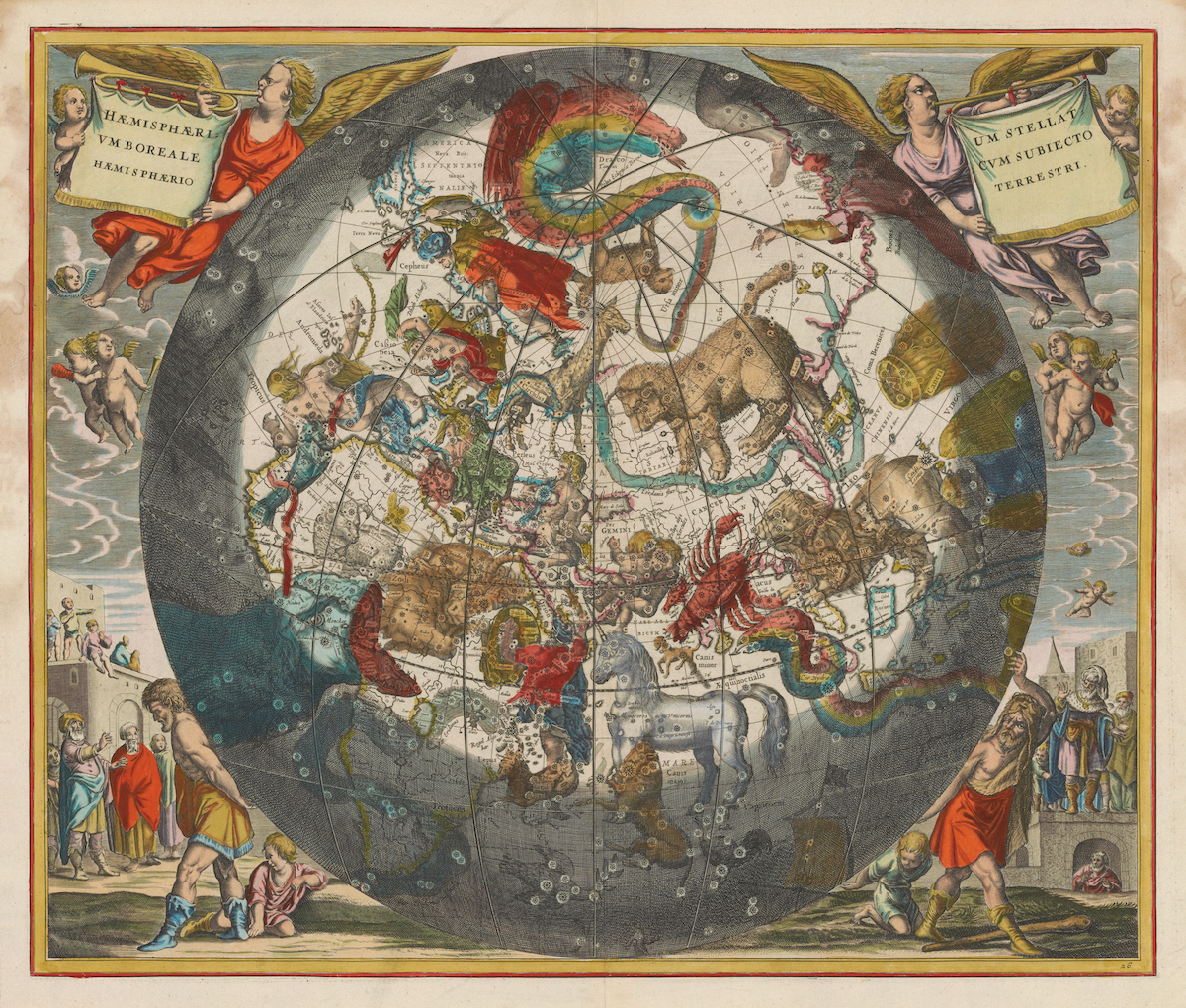
Photo: Andreas Cellarius / Wikimedia Commons (Public domain)

Neptune in the Second House: What This Transit Is Said to Mean

Neptune moving through the second house is read as a slow, quiet renegotiation of what you own, what you earn, and what you count as valuable. In Western astrology, a transit is just the current position of a planet measured against a natal chart, and Neptune is slow enough to spend well over a decade in one house. The second house covers resources, possessions, earned income and personal values, so astrologers see this passage as a stretch when the practical and the intangible have to share a room. You can check where Neptune sits in your own chart; what follows describes how the placement is interpreted, not what it will produce.

The Themes Said to Surface

The second house is tied to money you work for, the things you keep, and the values that shape how you spend both. Neptune is read for imagination, idealism, compassion and the blurring of boundaries. Combine the two and astrologers describe a transit that softens the edges of material life.

Where the second house usually wants clear accounting, Neptune is said to bring fog. Budgets feel less solid, and the line between what you need and what you merely want can lose its definition. Some readers of astrology describe a season of generosity that outruns the bank balance, or of purchases made for how they feel rather than what they do. Others notice the opposite pull: a growing discomfort with accumulation itself, and a wish to give things away.

Values often shift underneath the practical arrangements. Things that once seemed worth the effort stop feeling worth it, and quieter pleasures - music, water, beauty, time alone - start to carry more weight. The tradition frames this not as failure but as the imagination getting a say in the ledger.

None of this is prediction. Astrologers describe how the placement is read, not what it will cause, and Neptune in the second house is neither good nor bad on its own. Someone with a well-used second house may find the transit sharpens intuition about resources; another may find it simply hazy. Both are fair readings.

How It Tends to Feel as It Moves

Astrologers often describe the arc of a slow Neptune transit as beginning with diffusion. Early on, the usual markers of security can seem less convincing, and money and possessions may be handled with a certain drift. The temptation in this reading is to idealize - to trust a plan because it is beautiful rather than because it is sound.

As the transit settles in, the reading turns toward refinement. Boundaries are said to re-form on new terms, and the values that survived the fog tend to feel more honest than the ones that dissolved. The closing phase of any Neptune passage is often described as a settling, when a person has a clearer sense of what is genuinely theirs and what was only borrowed from expectation.

Because Neptune spends so long in a house, none of this happens on a schedule. The phases overlap, and the transit may be felt more in certain areas - how you save, how you give, what you consider a luxury - than across the whole of your finances at once.

When the Second House Holds Natal Planets

Natal planets in the second house change the reading considerably. If one sits there, astrologers read Neptune as passing over it and coloring that planet's own themes. A planet associated with communication may point toward idealized talk about money; one associated with structure may make the blur especially uncomfortable.

An empty second house is not a blank one. Its ruling sign and the condition of its ruler still shape how the transit is felt, and many astrologers pay more attention to that ruler than to the house itself. Where Neptune lands by aspect in the rest of the chart matters too, which is why two people with this placement can describe it very differently. Our guide to house rulers goes deeper into how that works.

Keeping the Reading Grounded

The most useful way to work with this transit, as astrologers frame it, is reflective rather than prescriptive. Notice what you value when no one is watching. Notice which possessions you keep because they are useful and which you keep because they are a story about yourself. Notice whether generosity is a pleasure or a way of avoiding a number.

Gentle record-keeping is often suggested alongside Neptunian passages - less a discipline than a form of clear seeing. A simple written record of what comes in and what goes out can act as a boundary the fog does not cross. For the wider context of how slow outer planets are read, see our explainer on generational versus personal planets.

One caution belongs here: this is entertainment and reflection, not guidance. Astrology is not a reason to take or avoid a real financial decision, and if money or security is causing genuine distress, a qualified financial professional or counselor is the right resource. For background on how astrologers approach the outer planets, NASA's overview of the solar system and the Encyclopaedia Britannica entry on astrology are useful neutral references. Neptune is often described as a planet that rewards patience with the practical world, and the second house is where that patience gets practiced.

Read on its own terms, a Neptune transit through the second house is said to be less about losing or gaining than about learning what your resources are actually for.

Today's Horoscope

November 2, 2026

All signs →

Get Your Horoscope in Your Inbox

A weekly note on your sign, the moon, and what the stars are up to. No spam, unsubscribe anytime.

We respect your privacy. Unsubscribe at any time.