
New vs Full Moon: How Their Energy Differs
Moon

New vs Full Moon: How Their Energy Differs

New moon vs full moon: how each phase shapes intention, release, and energy in astrological practice. A clear, practical guide.

Hemeswari5 min read
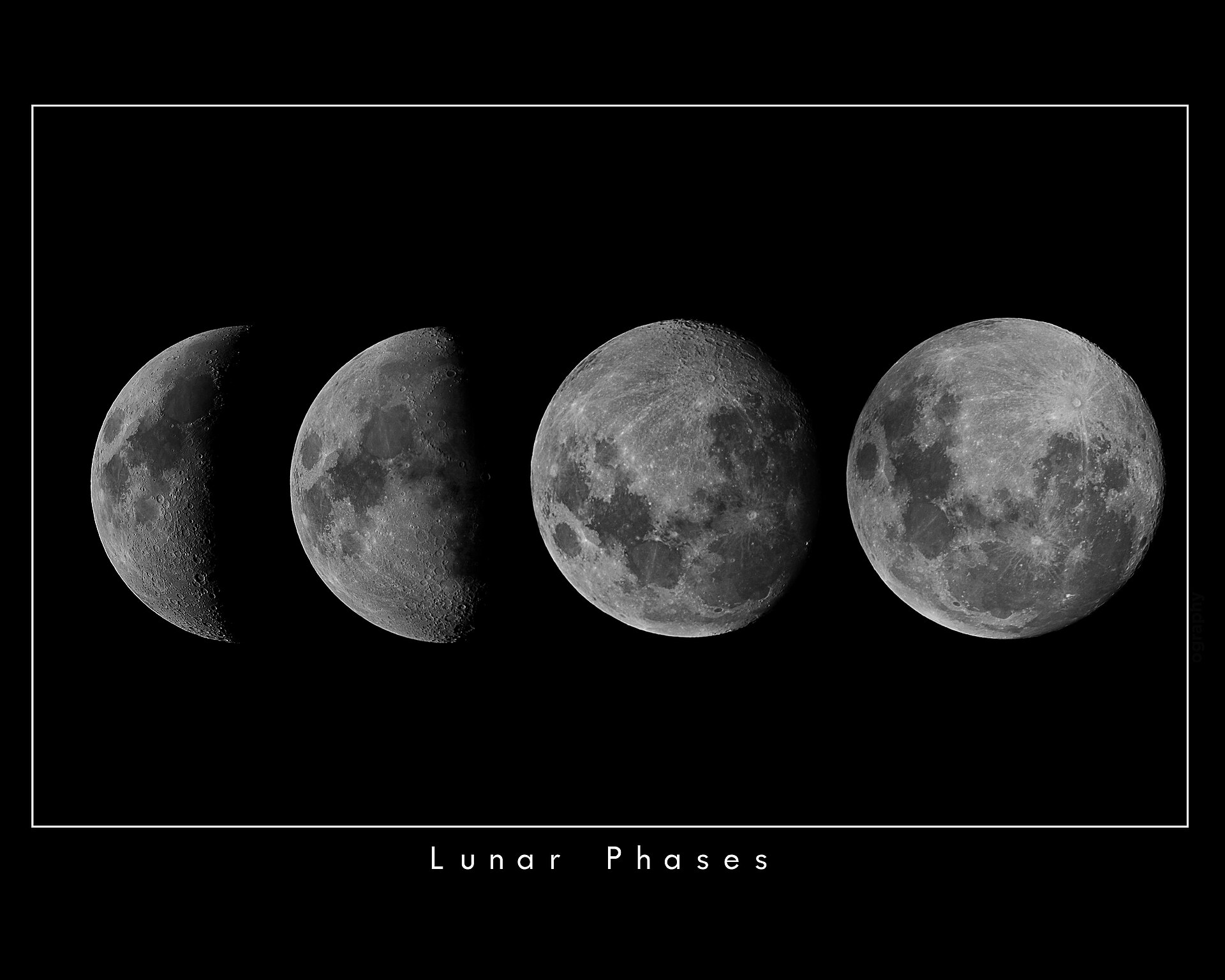
Photo: David Warrington from England / Wikimedia Commons (CC BY 2.0)

Astrologers read the lunar cycle as a two-week arc of intention and release. A new moon occurs when the sun and moon align in the same sign, marking a symbolic moment for planting seeds. A full moon arrives roughly two weeks later, when the two sit opposite each other in the zodiac, pulling matters into the light. The practice is less about cosmic cause and more about using these sky markers to time reflection over action. Understanding the new moon and full moon comes down to rhythm: one asks you to begin quietly, the other asks you to notice what has grown.

What a New Moon Invites

A new moon is traditionally read as a private, inward turning point. Because the moon is invisible from Earth during this phase, astrologers link it to what is not yet formed - a quiet pause before visible growth. In practice, this is said to be an ideal window for setting intentions, starting small projects, or naming what you want to cultivate over the coming two weeks. The sign the new moon falls in colors the theme. A new moon in earth signs like Taurus might be read as a nudge toward stability, while one in air signs like Gemini often points to communication and curiosity.

Advertisement[SIDEBAR_RIGHT_2]

The key habit is restraint. Since the moon is dark, the sky offers no immediate feedback, so astrologers caution against pushing for outward results right away. Instead, the practice involves journaling, visioning, or simply noting what feels newly possible. Because this phase happens every 29.5 days, it returns regularly, offering a repeated rhythm for resetting rather than a one-time event. As the Royal Museums Greenwich explain, the new moon is simply the moment the moon passes between Earth and the sun, leaving its near side unlit - a clean slate in astronomical terms.

What a Full Moon Illuminates

A full moon occurs when the sun and moon oppose each other across the zodiac, meaning the moon is fully lit from our vantage point. Astrologers read this as a peak of visibility, emotion, and culmination. Where a new moon whispers, a full moon speaks. It is often described as a time when what was planted at the new moon either shows progress or demands a decision. The sign opposition matters. If the new moon was in Aries, the full moon falls in Libra, its opposite sign. This polarity is read as a bridge between self and other, initiative and partnership, action and reflection.

Advertisement[SIDEBAR_RIGHT_6]

In practice, full moons are said to bring endings or releases. You might feel more alert, more reactive, or more aware of what has been hidden. Astrologers suggest using this phase to acknowledge what is complete, express gratitude, or let go of a habit that no longer fits. Because the moon is bright, it is seen as a poor time for starting something new and a good time for public acknowledgment or honest conversation. Keep in mind, though, that emotional intensity is a common human experience regardless of the sky - if you feel overwhelmed for more than a few days, a mental health professional can offer more grounded support.

Full moons also always fall opposite the season's sun sign. For example, a winter full moon in the Northern Hemisphere often lands in a summer sign, and vice versa. This is simple geometry: the full moon stands across from the sun, so its sign is always the zodiacal opposite of the sun's current sign. Astrologers read this as a seasonal counterbalance, urging you to notice what your everyday environment is not giving you - warmth in winter, coolness in summer - and to integrate that missing quality deliberately. The NASA Space Place notes that a full moon is simply when the moon's Earth-facing side is fully sunlit, which makes its opposite placement a matter of orbital mechanics rather than mystery.

Advertisement[SIDEBAR_RIGHT_7]

What an Eclipse Adds

Eclipses are intensified new and full moons. They happen only when a lunar phase occurs near the moon's nodal axis, the points where the moon's orbit crosses the ecliptic. A solar eclipse is a new moon in eclipse dress, and a lunar eclipse is a full moon in the same. Astrologers read eclipses as faster, more fated-feeling versions of their regular counterparts. The new moon's seed-planting is said to become a decisive launch, and the full moon's release often arrives as an abrupt clarity or a sudden shift in perspective.

In practice, an eclipse is not treated as an everyday lunar event. Astrologers often advise waiting a few days after an eclipse to act, since the energy is considered dense and less transparent. The sign and house of an eclipse matter more than usual, and its effects are said to unfold over months rather than a single night. If a lunar issue feels particularly charged during an eclipse window, that is a reasonable prompt for self-care, but not a reason to make major life decisions on impulse - for career, financial, or legal moves, consult a qualified professional.

The practical takeaway across both phases and eclipses is simple: the moon offers a mirror, not a mandate. New moons ask you to look inward, full moons ask you to look outward, and eclipses ask you to look closer. Use the rhythm as a gentle structure for regular check-ins with your own intentions, and let the signs and oppositions guide your curiosity. No phase will decide your future for you, but each one can give you a calm, repeatable reason to pause and reflect. For more on how lunar phases shape a monthly practice, you might explore related coverage on lunar cycles and intention-setting in other Horosly articles.

Today's Horoscope

September 24, 2026

All signs →

Get Your Horoscope in Your Inbox

A weekly note on your sign, the moon, and what the stars are up to. No spam, unsubscribe anytime.

We respect your privacy. Unsubscribe at any time.