Part of Fortune in Astrology: What It Is Read For
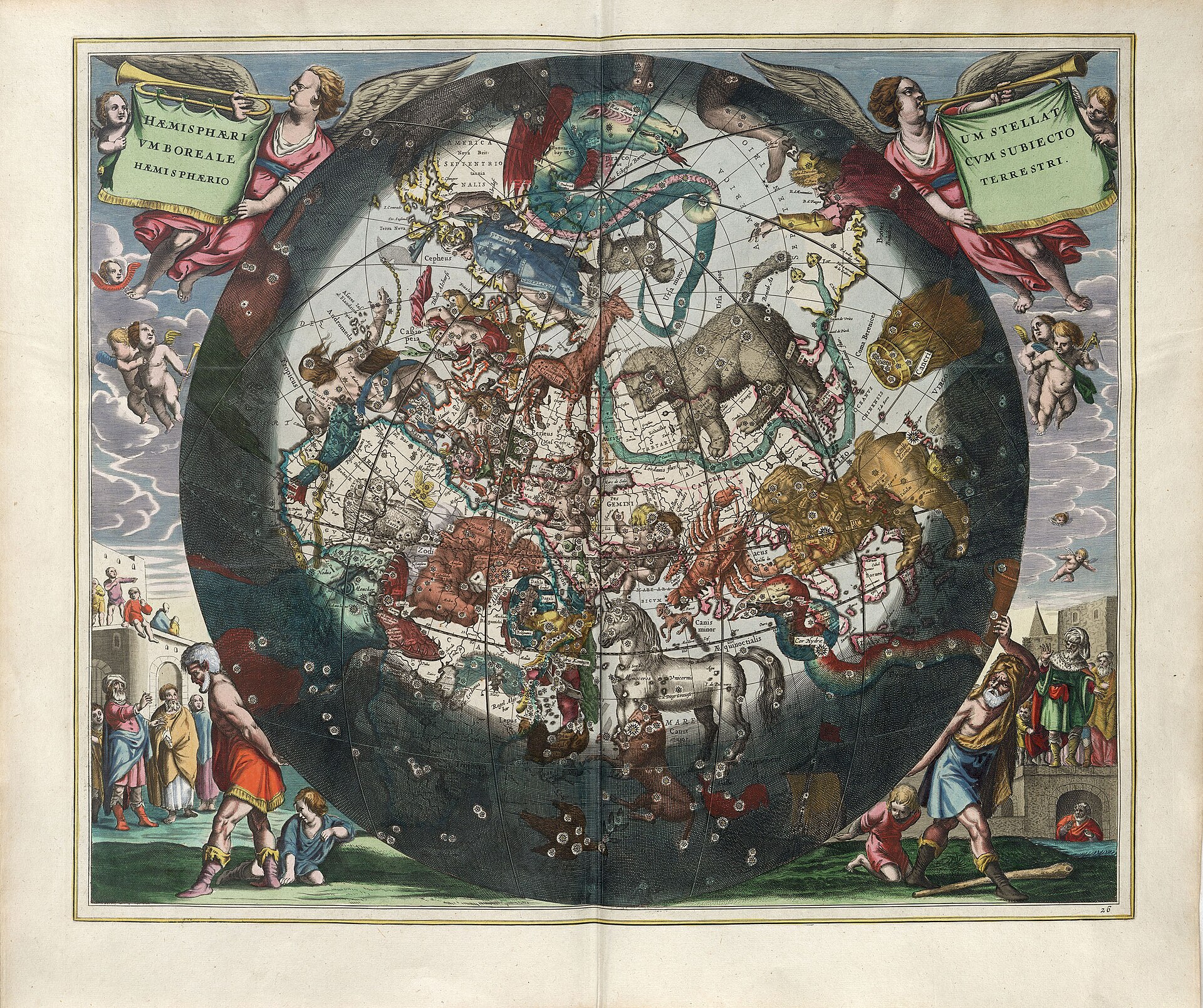
Photo: Andreas Cellarius / Wikimedia Commons (Public domain)
Career

Part of Fortune in Astrology: What It Is Read For

The Part of Fortune in astrology explained: what this calculated point is, how it is read, and what it is not used for.

Bhavya5 min read

The Part of Fortune and What It Is Actually Read For

The part of fortune is one of the most misunderstood points in a birth chart. It is not a planet, not a moon, not an asteroid. Nothing is orbiting anything. It is a calculated Arabic part, a sensitive point derived from the positions of the sun, the moon and the ascendant, and astrologers read it as a symbol of ease, flourishing and where effort is said to pay back. It is not a promise of money or luck, and treating it as either misses what the point is for.

What the Part of Fortune Is, and Why It Needs a Birth Time

A calculated point, not a body

The part of fortune has no physical form. It is a number, a degree and sign produced by combining three other placements: the sun, the moon and the rising sign. Because it is arithmetic rather than observation, it exists in the chart only as a coordinate, the same way a house cusp or a midpoint does.

That nature shapes how it gets read. You cannot spot the part of fortune in the sky, and you cannot feel it the way you might feel a planet changing signs. It is a symbol rather than a presence, which is precisely why astrologers treat it as descriptive rather than dramatic.

Advertisement[SIDEBAR_RIGHT_2]

Why day and night charts use different formulas

The point is calculated with different formulas depending on whether the birth happened during the day or at night. In a day chart, it is derived by taking the ascendant, adding the moon and subtracting the sun. In a night chart, the sun and moon trade places.

There is a practical reason for the difference. The sun and moon carry different weight depending on the light at the moment of birth, and the formula reflects that. It also explains why the point depends so heavily on an accurate birth time. Without a precise ascendant, the calculation shifts, and with it the whole placement. If the birth time is rounded or unknown, the part of fortune is one of the first things astrologers set aside rather than guess at.

Light and dark, sect and dignity

This day and night split belongs to a broader idea in traditional astrology called sect. The sun, Jupiter and Saturn are considered diurnal, at home in day charts. The moon, Venus and Mars are nocturnal, at home in night charts. The part of fortune sits inside that system, read a little differently depending on which team of lights and planets the chart belongs to.

What the Part of Fortune Is Traditionally Said to Mean

Ease, flourishing and the body

In the traditional reading, the part of fortune describes a place of ease. It points to where things are said to flow, where a person is thought to flourish without quite so much friction. Some older sources tie it to the body and physical wellbeing, others to livelihood and the simple good of things going reasonably well.

Advertisement[SIDEBAR_RIGHT_6]

The word "fortune" is doing a lot of quiet work here, and it is worth being clear about what it does not mean. It is not a claim about money. It is not a claim about luck in the casino sense. It is not a prediction that something good will land in your lap. Astrologers who use the point tend to describe it as the place where effort is said to pay back more readily, not where effort is unnecessary. For a wider look at how these older techniques fit into modern practice, the work of traditional astrology resources such as Astrology University and the reference material collected by Skyscript are useful starting points.

A counterweight to the part of spirit

The part of fortune is often paired with another Arabic part called the part of spirit. If fortune is associated with the body, material life and what comes to you, spirit is associated with the mind, intention and what you actively choose. Read together, they sketch a small tension: the circumstances that support you versus the will you bring to them. Neither is treated as better. They are two sides of the same calculation.

How it gets interpreted in a chart

Astrologers look at three things: the sign the point falls in, the house it lands in, and any planets sitting close to it. A part of fortune in the seventh house might be read as flourishing through partnership. In the tenth, through public work. In the second, through resources. A planet conjunct the point is said to colour it, sometimes helpfully, sometimes not. This is interpretive and symbolic work, not measurement.

Advertisement[SIDEBAR_RIGHT_7]

How Astrologers Actually Use It

As a symbol, not a forecast

The part of fortune is not a stopwatch and not a signal. Nothing about it says when something will happen, and nothing about it says that something must happen at all. It is a descriptive symbol, read the way astrologers read a house or an angle: a coordinate that adds a layer of meaning to a chart, not a cause.

That is also why it has no meaningful transit dates. The point moves, as all calculated points do, but the reading is about the natal placement, not about the moment it passes over something.

What it will not tell you

The part of fortune will not tell you whether to take a job, move cities, invest, or end a relationship. Those are life decisions with real stakes, and astrology is not a substitute for thinking them through or for talking them over with someone qualified in that field. If a reading of the point starts to feel like a reason to act, that is a signal to slow down, not to hurry.

Where to go next

If you want to look at your own part of fortune, an accurate birth time is the place to start. From there, the placement works best alongside the rest of the chart rather than in isolation. Related coverage on the other Arabic parts, on sect and on the difference between day and night charts can help fill in the wider picture.

Read as a symbol of ease and flourishing, the part of fortune is one of those quiet corners of a chart that rewards patience rather than urgency. It describes a texture, not a verdict.

Today's Horoscope

September 23, 2026

All signs →

Get Your Horoscope in Your Inbox

A weekly note on your sign, the moon, and what the stars are up to. No spam, unsubscribe anytime.

We respect your privacy. Unsubscribe at any time.