
Part of Fortune in the First House Explained
Birth Charts

Part of Fortune in the First House Explained

The Part of Fortune in the first house, how astrologers read this point of ease and visibility, and what it is said to highlight in your chart.

Manishankar5 min read
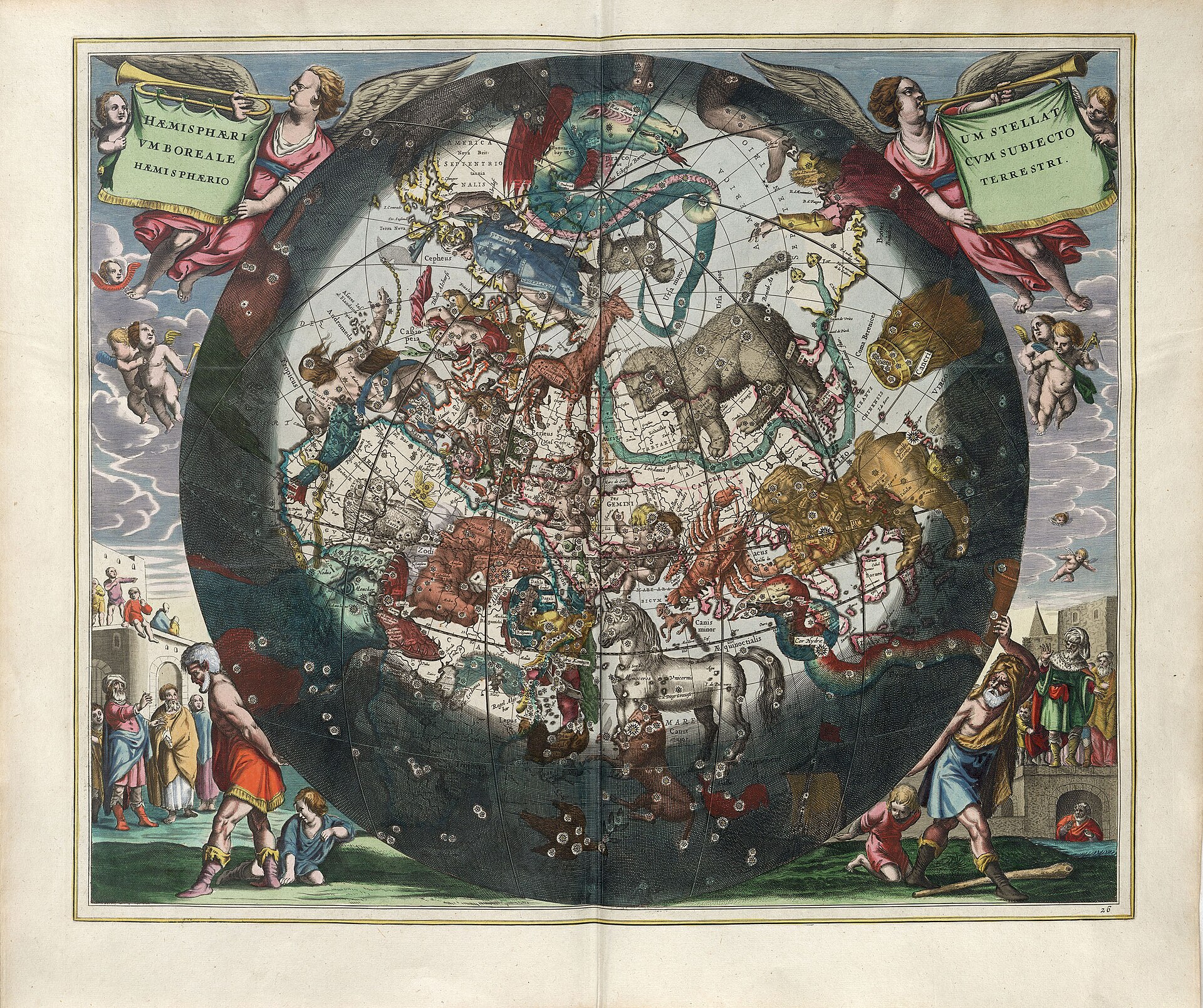
Photo: Andreas Cellarius / Wikimedia Commons (Public domain)

What the Part of Fortune in the First House Means

The part of fortune in the first house is read as ease that arrives through the self: through the body, the personality, and the way you meet the world. It is one of the oldest techniques in Western astrology, and it is not a planet. It is a calculated point, derived from the Sun, the Moon, and the ascendant, using one formula for a day birth and another for a night birth. Because the ascendant is one of its three ingredients, the placement needs an accurate birth time. Without one, astrologers treat its house position as unreliable. When it lands in the first house, the flourishing it describes is personal and physical rather than relational, professional, or domestic. Astrologers look for where self-expression and self-presentation seem to cost less effort than they do for other people.

How the Part of Fortune Is Read

An Arabic Part, and Why the Formula Splits

The part of fortune belongs to a family of calculated points called Arabic parts, each built from three chart factors. For this one, the Sun and Moon are set against the ascendant, but the order changes depending on whether the birth happened after sunrise or after sunset. Day births use one arrangement, night births reverse it. The result is a single degree and sign, which then falls into a house like any planet would. Two people born the same day can end up with this point in different houses, which is part of why astrologers ask for a birth time before saying anything about it. The technique is ancient, and it sits alongside other lot-based methods that predate modern chart reading; for background, the American Federation of Astrologers and the Astrological Association both publish introductory material on traditional technique.

What "Fortune" Does and Does Not Mean

The word is older than the technique's modern audience, and it carries baggage the placement itself does not. Here, fortune points to flourishing and ease of flow, not money, winnings, or luck. Traditional texts describe it as the place where effort is said to pay back, where things come a little more naturally, where resources seem to gather. None of that is a claim about income. Nothing here should be read as guidance about earnings, savings, investments, or any other financial decision. For anything like that, a qualified professional is the right conversation.

The First House as the Stage

The first house covers the self in the most literal sense: the body, the face you present, the instincts you lead with, the impression you make before you have said a word. It is the house of beginnings and of first moves. When the part of fortune in the first house appears, the ease it describes is read through the personal and physical rather than through partnership, career, or home. Astrologers look at where self-expression and self-presentation seem to cost less effort than they do for other people. Related coverage on the first house and its ruler can be read alongside this.

What Astrologers Look For in This Placement

Ease That Travels With You

The most common reading is that good things arrive through being visibly yourself. Opportunities are said to come from showing up, from presence, from the way you walk into a room. Effort spent on appearance, personal style, or simply being where people can see you is described as returning more than it costs. Note the framing: astrologers read this as a tendency in the chart, not a promise about what will happen.

Signal, Not Guarantee

A placement describes a current, not an outcome. The part of fortune in the first house suggests a direction where things flow more easily, and the rest of the chart decides whether that current gets used. If the ruler of the first house is well supported, astrologers might read the ease as more available. If the ruler is under pressure, the same point can describe someone who finds their own presence complicated. Neither version is good or bad on its own. Charts are read as a whole, and one point is a single voice in a large conversation.

The Ambivalence Worth Naming

For some people this placement is energizing, and for others it is uncomfortable. A chart pattern that points toward visibility can sit oddly with a temperament that prefers privacy. Astrologers do not treat that friction as a flaw. They read it as information about where attention naturally goes, and about what happens when the easy path and the preferred path are not the same.

The Body as a Theme, Not a Diagnosis

Because the first house includes the physical self, this placement often draws attention to embodiment: how it feels to inhabit your own frame, how you carry yourself, how much rest and movement you actually want. That is a reflective theme, not a medical one. Anything about health belongs with a doctor or another qualified professional, and no astrological point is a substitute for that.

Reading It in Context

The part of fortune in the first house is read as a signature of self-led flourishing: the idea that your own presence, body, and way of meeting the world are where things are said to come more easily. That reading depends on an accurate birth time, shifts with the day or night formula, and only means something in conversation with the rest of the chart. Take it as a lens for reflection, not a forecast. It is a way to notice where your effort seems to return, and to decide for yourself what to do with that.

Today's Horoscope

October 7, 2026

All signs →

Get Your Horoscope in Your Inbox

A weekly note on your sign, the moon, and what the stars are up to. No spam, unsubscribe anytime.

We respect your privacy. Unsubscribe at any time.