Retrograde Motion Explained: What Astrologers Mean
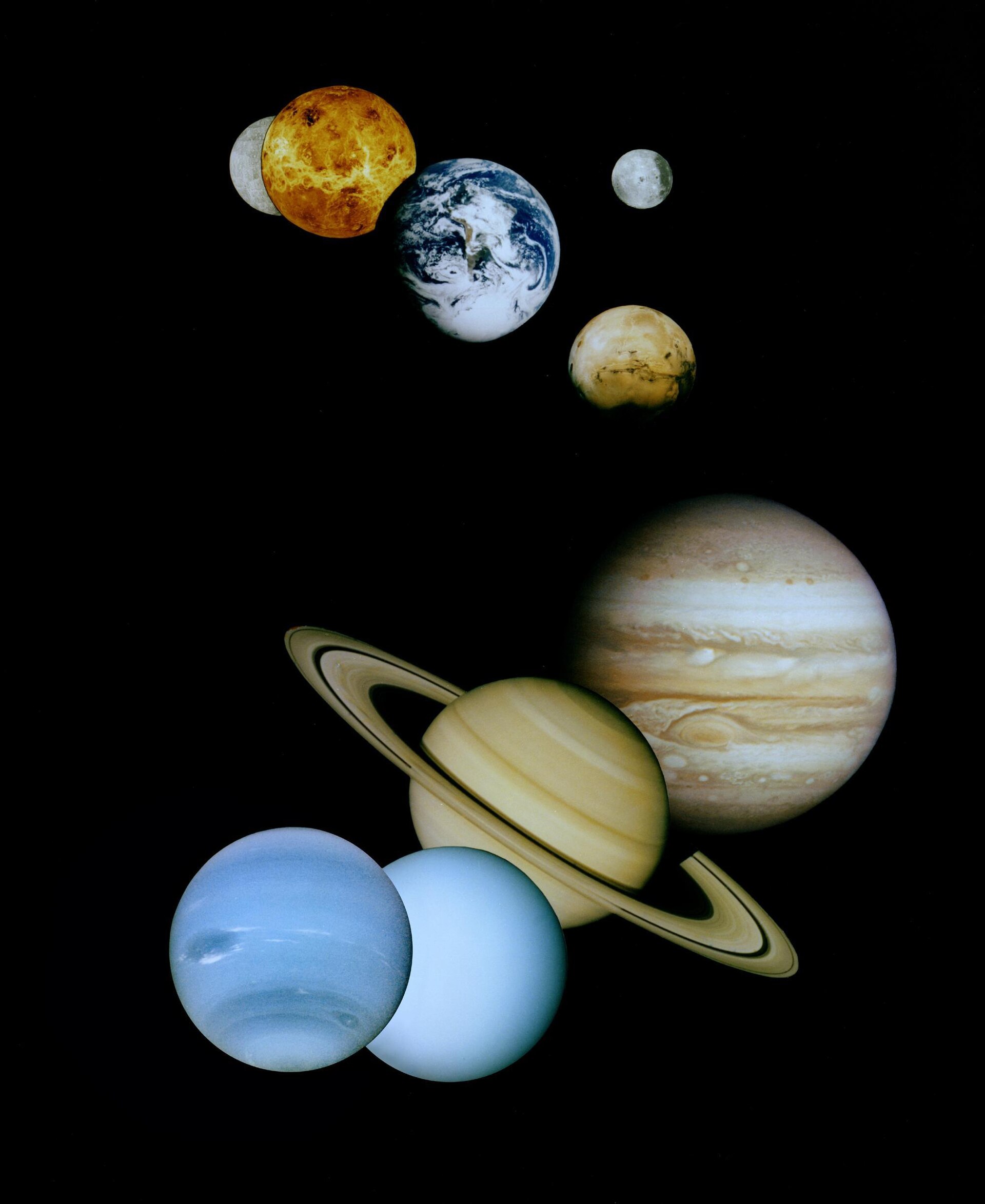
Photo: NASA / Wikimedia Commons (Public domain)
Astrology Basics

Retrograde Motion Explained: What Astrologers Mean

What retrograde motion means in astrology, plus how Mercury, Venus, and Mars retrogrades are read for reflection.

Nagi4 min read

What Retrograde Motion Actually Is, and What Astrologers Make of It

Retrograde motion is an optical illusion, not a planet literally changing direction. From Earth, a planet appears to pause, then drift backward in the sky for weeks or months, because our own orbit is catching up to or passing another world. Think of driving past a slower car on the highway: for a moment, that car seems to slide backward against the scenery, even though both vehicles are moving forward. Astrologers read this backward crawl as a symbolic shift in how a planet's themes tend to express. Mercury retrograde gets most of the attention because of how often it happens and how closely it touches daily life.

Advertisement[SIDEBAR_RIGHT_2]

The Astronomy Behind the Apparent Reversal

In simple terms, retrograde motion is a matter of perspective. Every planet orbits the Sun at its own speed and distance, and Earth is no exception. When Earth overtakes an outer planet like Mars or Saturn, that planet appears to move backward against the fixed stars for a stretch. For inner planets like Mercury and Venus, the effect happens when they lap Earth from the inside, swinging between us and the Sun. Nothing actually reverses; the planet follows the same ellipse as always. The illusion is real only to an observer on a moving platform, which is every platform on Earth.

The duration and frequency of retrograde periods depend on the planet. Mercury, the fastest planet in our sky, goes retrograde three or four times a year, each stretch lasting about three weeks. That regularity is why it feels so familiar. Mars, by contrast, retrogrades only about every two years, but each episode runs roughly two months. The outer planets behave differently still: Jupiter, Saturn, Uranus, and Neptune each spend a large share of the year in apparent backward motion, often five to six months at a stretch. That long, slow loop is part of why their transits are read in broader strokes, while Mercury's quick reversals are tied to the rhythms of a week or a commute. For a deeper look at how astronomers measure these cycles, NASA's Solar System Exploration page offers a clear overview of planetary motion as seen from Earth.

Advertisement[SIDEBAR_RIGHT_6]

How Astrologers Interpret Retrograde Periods

In Western astrology, retrograde is read as a shift in emphasis rather than a cancellation. Astrologers often say a retrograde planet turns attention inward, asking for review, revision, or a slower approach to the themes it rules. Mercury retrograde, for example, is commonly associated with miscommunication, travel delays, and technical glitches - but it is also framed as a useful window for editing, reconnecting with old projects, and revisiting unfinished conversations. The energy is not bad; it is simply reflective.

Each planet carries its own flavor of this inward turn. Venus retrograde is often linked to reassessing relationships and values, while Mars retrograde tends to surface questions about motivation and conflict. Jupiter retrograde might prompt a closer look at beliefs and growth, and Saturn retrograde often feels like an internal audit of responsibilities and boundaries. The outer planets, given their long retrograde stretches, are usually interpreted more as generational undercurrents, influencing the mood of an era rather than any single week. Modern astrologers rarely treat retrograde as a harbinger of doom; it is more commonly described as a sign to slow down, check the details, and reconsider what has been moving too fast. For a historical take on how this interpretive tradition developed, the International Astronomical Union offers background on the celestial mechanics that gave rise to these symbolic readings.

Advertisement[SIDEBAR_RIGHT_7]

Why Mercury Retrograde Gets the Most Attention

Mercury retrograde dominates popular conversation for three concrete reasons. First, it happens often - several times a year - so it is a recurring presence in any astrology calendar. Second, Mercury rules communication, travel, and technology, all of which are everyday concerns in a connected, mobile culture. When email drafts vanish or a flight gets rescheduled, the retrograde becomes a handy, if playful, explanation. Third, it is easy to remember and easy to joke about, which has made it a cultural shorthand even among people who do not follow astrology closely.

That cultural weight does not mean astrologers see every retrograde as a crisis. Many use the period to encourage patience with technical hiccups, double-checking schedules, and revisiting old drafts rather than launching something brand new. If a problem feels practical rather than symbolic, a qualified professional - such as a mechanic, an IT specialist, or a travel agent - is the right person to help, and astrology is best treated as a lens for reflection, not a substitute for real-world troubleshooting.

The bigger picture is simple: retrograde motion is a beautiful demonstration of how perspective shapes what we see in the sky, and astrology borrows that motion as a metaphor for turning inward. Whether you treat it as a prompt to review, a reminder to slow down, or just a quirky piece of celestial trivia, the apparent backward crawl of the planets offers a way to pause and consider what might need another look.

Today's Horoscope

September 24, 2026

All signs →

Get Your Horoscope in Your Inbox

A weekly note on your sign, the moon, and what the stars are up to. No spam, unsubscribe anytime.

We respect your privacy. Unsubscribe at any time.