Sun Conjunct Venus in a Birth Chart Explained
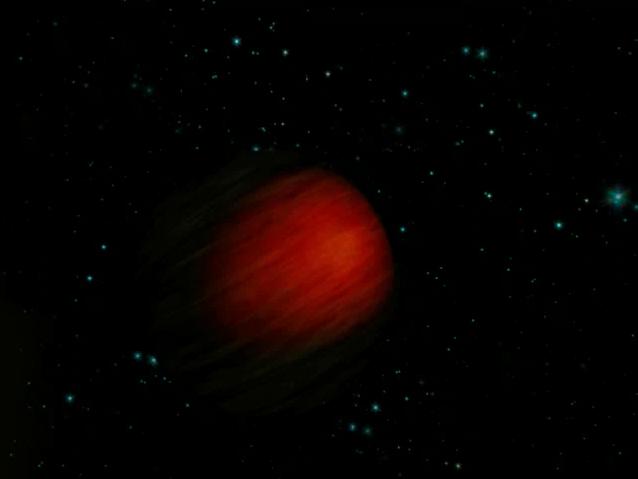
Photo: NASA/JPL / NASA (Public domain)
Love

Sun Conjunct Venus in a Birth Chart Explained

Sun conjunct Venus in a birth chart: what this warm, graceful placement is said to mean for love, values, charm, and self-worth in astrology.

Manishankar4 min read

What Sun Conjunct Venus in a Birth Chart Means

Sun conjunct Venus in a birth chart is read as a fusion of identity and affection. In Western astrology, a conjunction puts two planets at roughly the same degree of the zodiac, side by side, an angle of about 0 degrees. Astrologers treat that pairing as one combined force rather than two separate drives.

The Sun is linked to identity, vitality and the core sense of self. Venus governs affection, attraction, values and what someone finds beautiful. When the two meet, the chart is often described as a person whose sense of self and sense of what they love are woven together. Affection is not a separate department of life; it runs through the identity itself.

This is a natal aspect, a permanent feature of the birth chart, not a passing transit. Nothing here predicts an outcome. It is a lens astrologers use for reflection, and no placement is good or bad on its own.

How Astrologers Read the Sun and Venus Together

The Blend of Self and Affection

When the Sun and Venus sit side by side, astrologers say the two planets act as a single current. Warmth, charm and an instinct for harmony may feel less like a skill and more like a natural extension of who the person is. Affection is not held at arm's length; it flows through the identity. Someone with this placement is often described as wanting to be liked and genuinely liking others in return, with taste and values that feel personal rather than borrowed.

One Strong Expression

In a strong expression, the combination is read as grace and magnetism that feel effortless. The person tends to know what they find beautiful and to draw others toward that vision, blending kindness with a clear sense of self. Relating well can look like a talent rather than a project. Because the two planets reinforce each other, the chart suggests someone at ease with both giving and receiving appreciation.

One Challenging Expression

In a more challenging expression, the same closeness can mean the sense of self leans too heavily on approval or attractiveness. Astrologers might read a tendency to soften a real opinion to keep the peace, or to measure personal worth through how much affection comes back. The pull toward harmony can crowd out honest friction. Read this way, the aspect is not a flaw but a tension to notice, an invitation to let the identity stand on its own alongside the wish to be loved.

The Usual Orb

Aspect orbs are the degrees of allowance astrologers give before a pairing stops counting. For a conjunction, most use an orb of about 8 degrees, though some tighten it to roughly 5 or 6 degrees for a closer, more emphatic reading. The closer the Sun and Venus sit to the same degree, the more the two are said to function as one. Wider orbs are read as a looser, quieter version of the same theme.

How the Sign and House Shape the Reading

The Sign Colors the Style

The zodiac sign holding the conjunction colors how the blend shows up. In a fire sign, warmth and affection may arrive boldly and openly. In an earth sign, the same fusion can look steady, loyal and attentive to tangible beauty. An air sign may express it through conversation, ideas and social ease, while a water sign tends to feel it deeply and privately. The sign does not change the theme; it changes the texture.

The House Sets the Stage

The house places the pairing in a specific area of life. In a house tied to relationships, the fusion of self and affection plays out through partnerships and close bonds. In a house tied to creativity or values, it may surface through art, style or what the person chooses to stand for. The house shows where this combined force is most likely to be noticed, both by the person and by others.

For readers comparing this to Venus's other pairings, our guides to Venus in each sign and to conjunctions generally cover the same interpretive ground. The American Federation of Astrologers and Astro.com both publish background on aspects and orbs for anyone who wants the technical side.

Reading It Without Fixing It

No placement is good or bad on its own; Sun conjunct Venus is a description of a pattern, not a verdict. Some astrologers treat it as a classic signature of charm and warmth, others as a lesson in separating self-worth from admiration. Both readings can be held at once, and neither settles anything about a real life.

Read this way, the aspect is less a statement about a person than a question posed to them: where does affection end and identity begin, and can the two be told apart? The value of the aspect lies in what it prompts someone to notice about how they love and how they see themselves, not in what it guarantees. It is a mirror held up for reflection, and what someone sees in it is theirs to interpret.

Today's Horoscope

October 2, 2026

All signs →

Get Your Horoscope in Your Inbox

A weekly note on your sign, the moon, and what the stars are up to. No spam, unsubscribe anytime.

We respect your privacy. Unsubscribe at any time.