
The Twelve Houses and the Life Areas They Cover
Astrology Basics

The Twelve Houses and the Life Areas They Cover

Learn what each of the 12 astrology houses represents, from identity and money to relationships and career, in this clear, reflective guide.

Nagi5 min read
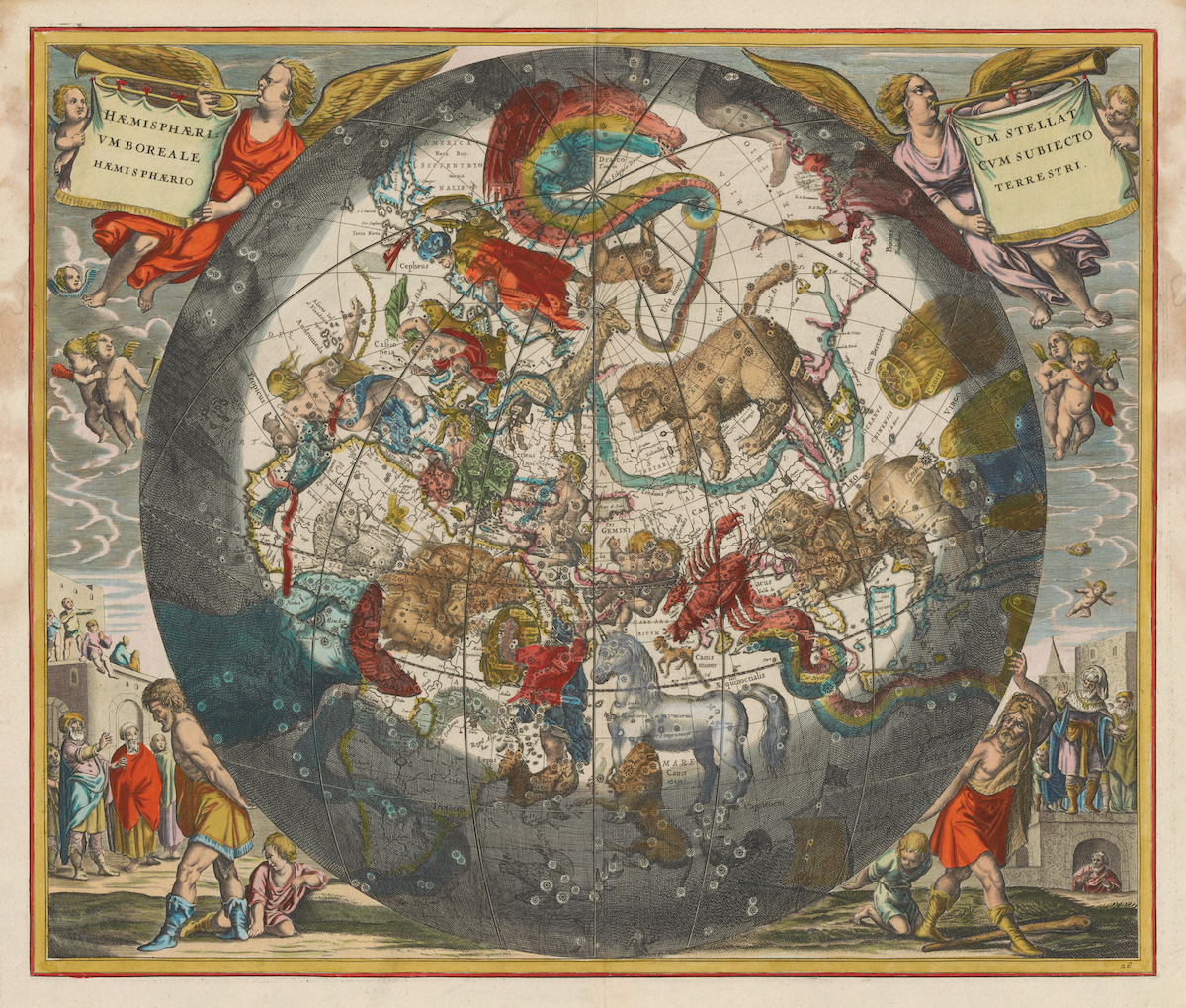
Photo: Andreas Cellarius / Wikimedia Commons (Public domain)

The Twelve Houses and the Part of Life Each One Covers

In Western astrology, the twelve houses form a wheel that maps the sky at the moment of your birth, divided into twelve slices. Each slice is traditionally read as a different arena of life, stretching from personal identity to the inner world. Because the houses are calculated from your birth time and location, they are not the same as the zodiac signs. The signs are the backdrop; the planets are the actors. The houses are the stages. The twelve houses and the part of life each one covers offer a structured way to explore a birth chart as a reflection of experience, not a set of promises.

The First Six Houses: Personal Foundations

The first house is read as the house of self. It covers outward personality, physical appearance, and how you first present to the world. The second house moves to resources - what you own, your money, and your sense of self-worth. The third house governs communication: how you speak, write, learn, and connect with siblings and neighbors. The fourth house is home and family, including roots, private life, and your relationship with your parents. The fifth house is creativity and joy, covering romance, children, hobbies, and anything you make for pleasure. The sixth house is routine and service - daily work, health habits, and how you care for others.

Advertisement[SIDEBAR_RIGHT_2]

These six houses are often called the personal houses because they deal with immediate, individual experience. Astrologers read them to understand who you are at your core, what you value, how you express yourself, and how you manage everyday life. The rhythm here is inward. This is the ground floor of the chart, where identity and daily reality take shape.

The Last Six Houses: Relationships and Beyond

The seventh house is partnership. It covers marriage, committed relationships, business partners, and open enemies - anyone you meet face to face. The eighth house is shared resources: other people's money, inheritances, joint finances, and also themes of transformation and intimacy. The ninth house is belief and expansion - higher education, philosophy, religion, travel, and the search for meaning. The tenth house is career and public standing, often read as your reputation, your ambitions, and your role in society. The eleventh house is community, covering friendships, networks, groups, and your hopes for the future. The twelfth house is the private inner world - dreams, secrets, rest, solitude, and what you keep hidden, even from yourself.

These six houses are sometimes called the interpersonal and collective houses because they turn outward to other people, institutions, and the larger world. Astrologers read them to understand how you relate, what you share, and where you find purpose beyond yourself. The shift from the sixth to the seventh house marks a turning point - from the self-contained to the relational.

Advertisement[SIDEBAR_RIGHT_6]

How the Houses Are Read and Why They Vary

The houses come from your exact birth time, which sets the horizon and the midheaven - the starting points of the chart. If you do not know your birth time, an astrologer may still read your chart but without a reliable house placement for your planets. The signs move through the houses differently for everyone, so no two charts look alike. Even the angles - the ascendant and the midheaven - shift by minutes, which is why a precise birth record matters for a detailed reading.

An empty house is normal. It simply means no planet was in that slice at your birth, and astrologers often read it as an area that is not central to your life story. It is not a deficit or a weakness - it just means the focus lies elsewhere. The sign on the house cusp still colors that arena, so an empty house is never truly blank.

House systems also differ. The most common in Western astrology is the Placidus system, which uses time-based divisions, but others like Whole Sign or Equal House place each sign entirely in one house. Astrologers may switch systems based on preference or tradition, which can shift which house a planet falls in. For reflection and entertainment, the interpretive meaning of each house remains steady across these methods. As the American Federation of Astrologers explains, the houses are a symbolic framework for mapping experience onto the sky, and the choice of system is a matter of interpretive style rather than universal truth.

Advertisement[SIDEBAR_RIGHT_7]

In the end, the twelve houses and the part of life each one covers offer a way to organize a birth chart into twelve clear chapters. Reading them is a practice of observation, not a prediction, and the stories they suggest are open to your own interpretation. Whether you start with the first house or the twelfth, each slice invites a quieter look at the ordinary and the hidden - a mirror, not a roadmap.

Today's Horoscope

September 24, 2026

All signs →

Get Your Horoscope in Your Inbox

A weekly note on your sign, the moon, and what the stars are up to. No spam, unsubscribe anytime.

We respect your privacy. Unsubscribe at any time.