
Transits vs Natal Chart: What's the Difference?
Astrology Basics

Transits vs Natal Chart: What's the Difference?

Understand the difference between transits and your natal chart in astrology. A clear, simple guide to how both are read for insight.

Nagi5 min read
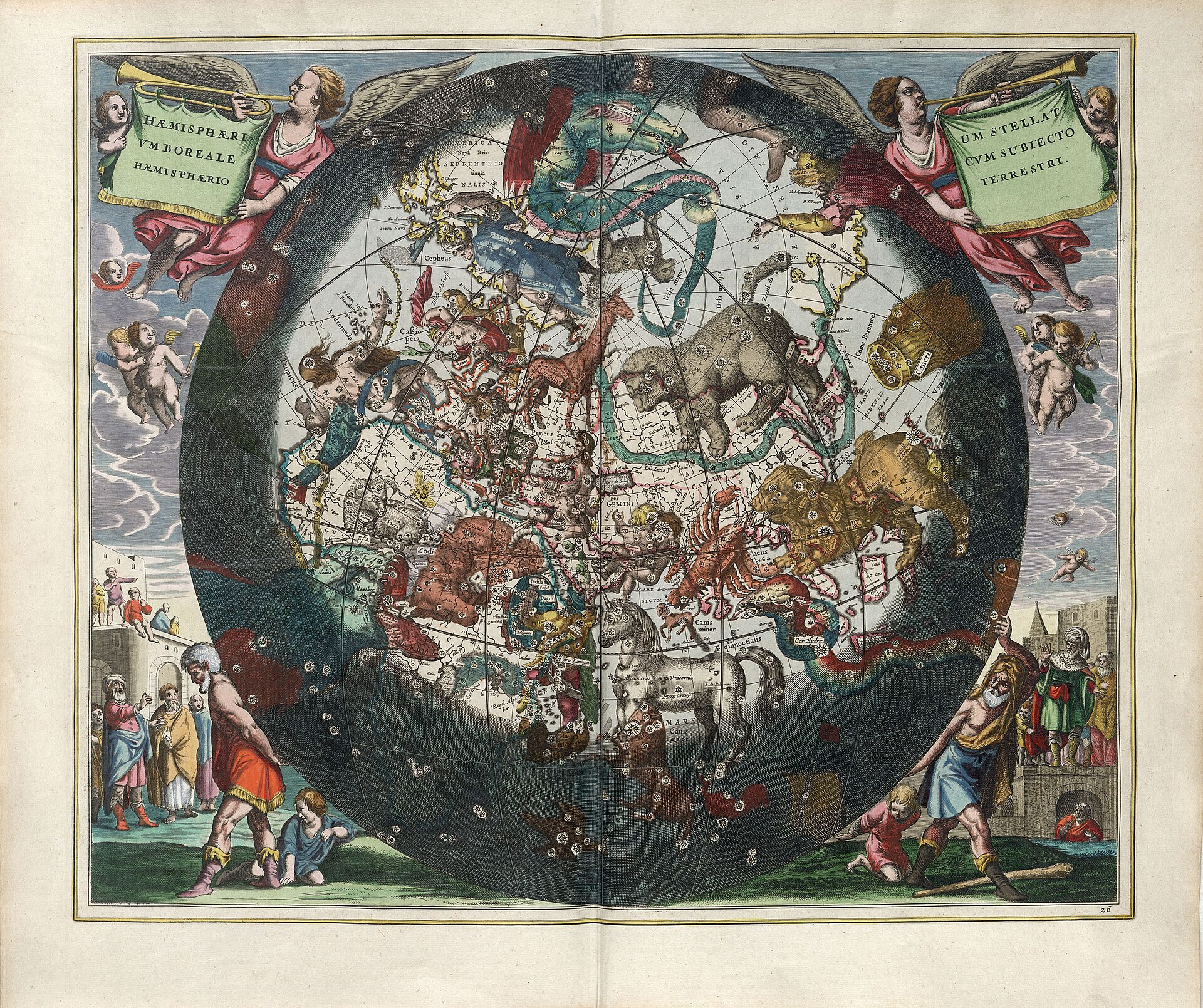
Photo: Andreas Cellarius / Wikimedia Commons (Public domain)

Transits versus your natal chart: the difference that confuses everyone

Every astrology reader has hit the same wall: the daily horoscope says one thing, but life feels like another. The disconnect comes down to two separate maps. Your natal chart is the snapshot of the sky at your first breath, fixed for life. Transits are where the planets are moving right now, read against that fixed snapshot. A horoscope column is simply a transit reading generalized to a sun sign, which is why it often misses the deeper story. The difference matters less for prediction and more for self-reflection, and that is where the clarity begins.

What the natal chart actually is

Think of your natal chart as a permanent blueprint. At the moment you were born, every planet occupied a specific sign and house, and that arrangement never changes. Astrologers read it as your core tendencies, your emotional patterns, and the areas of life that feel most charged. It is not a fate sentence but a set of lenses through which you experience the world.

The chart divides into twelve houses, each tied to a life theme, from identity and money to relationships and career. Your sun sign is only one piece: the ego's style. Your moon sign, rising sign, and the placement of slower planets like Saturn and Jupiter add layers. Because the chart is fixed, it serves as a stable reference point for every other conversation in astrology.

Advertisement[SIDEBAR_RIGHT_2]

When someone says your natal Mars is in Aries, they mean the planet of drive and action sat in that sign at your birth. That placement is read as a tendency toward initiative, impatience, or both, depending on the surrounding aspects. It does not change with the calendar, which is why a natal reading can feel timeless.

What transits are and how they are read

Transits are the current positions of the planets as they move through the zodiac. Unlike the natal chart, they shift constantly, from the moon's rapid two-day pass through a sign to Saturn's two-and-a-half-year journey. Astrologers compare these moving positions to your natal chart, noting where a transiting planet makes an angle, or aspect, to a natal point.

A transit is read as a season rather than a single event. When slow-moving Jupiter transits your natal Venus, for example, it is interpreted as a broad period of social ease, not a guarantee of a specific romance. The same goes for a Saturn transit to your natal moon, often described as a time for emotional maturity but never as a specific loss or job change.

The key is that a transit does not cause an outcome. It sets a tone, highlights a theme, and invites reflection. Astrologers say a transit activates a part of your chart, bringing that natal energy to the surface for a while. The strength of the effect depends on how exact the aspect is, which is why a transit can feel intense for weeks or barely noticeable.

Advertisement[SIDEBAR_RIGHT_6]

Why your horoscope column misses

A daily horoscope is a transit reading for one sun sign only. It uses the current sky to make a general comment for everyone born under that sign, but it ignores your moon, rising, and the exact degrees of your planets. Two people with the same sun sign can have wildly different natal charts, so the same transit lands differently on each.

That is why the same column can feel accurate for one reader and wrong for another. It is not that the transit is absent; it is that the column filters it through a single lens. A fuller transit reading would look at your entire chart, which is why professional astrologers ask for your birth time and place.

For entertainment and reflection, the column is a starting point, not a verdict. It can point you toward a theme, like communication or career, but it cannot know whether that theme is already alive in your chart or whether it falls flat. The real value is in learning to read your own chart alongside the transits. For a deeper introduction to how the houses shape your personal sky, our earlier piece on the twelve houses offers a useful companion.

Advertisement[SIDEBAR_RIGHT_7]

How to use both together

The practical step is simple: know your natal chart first, then watch transits as a background conversation. Many free chart calculators can give you your full chart, and once you have it, you can begin to notice when a slow planet makes an exact aspect to one of your natal points. The American Federation of Astrologers offers guidance on reading these placements, and astrology educator Cafe Astrology provides a clear overview of aspect meanings for beginners.

Think of the natal chart as the room you live in, and transits as the weather outside the window. The weather changes, but the room stays the same. A Jupiter transit might bring more light and warmth for a season, while a Saturn transit might bring a chill that asks you to insulate. Neither changes the walls, but both invite different ways of living in them.

Because transits are seasonal, they are best used for reflection, not action. When you notice a strong aspect, you can ask what theme it is highlighting rather than waiting for a specific event. That shift takes astrology out of the fortune-telling box and into the mirror, where it becomes a tool for noticing patterns in your own life.

If a transit reading ever pushes you toward a major financial, legal, or medical decision, pause, and speak with a qualified professional in that field first. Astrology is for reflection and entertainment, not a substitute for expertise.

The confusion between transits and your natal chart dissolves once you see them as two different clocks: one set at your birth, one told by the moving sky. The natal chart is your constant, and transits are the passing seasons that illuminate it. Understanding the difference does not make astrology more mysterious, it makes it more useful, a steady frame for noticing how your inner weather shifts without ever mistaking it for the forecast.

Today's Horoscope

September 24, 2026

All signs →

Get Your Horoscope in Your Inbox

A weekly note on your sign, the moon, and what the stars are up to. No spam, unsubscribe anytime.

We respect your privacy. Unsubscribe at any time.