
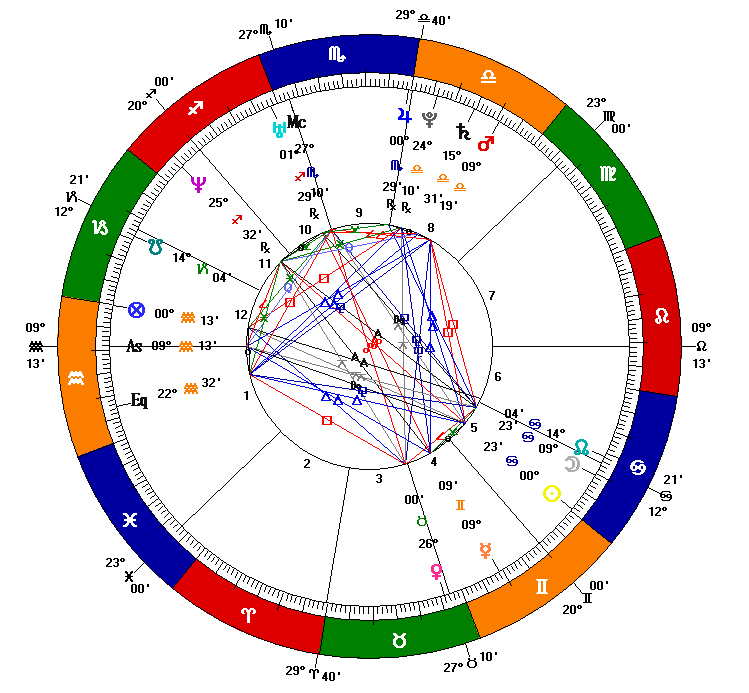
How Uranus Transiting the First House Is Read in Astrology
Uranus transiting the first house is read as a long passage of reinvention, one that reshapes how you look, how you present yourself and how you meet the world. In Western astrology, a transit is simply the current position of a planet measured against a natal chart, and Uranus spends roughly seven years in each house. When it moves through the first, the theme is change, independence and the break with a pattern, applied to the self rather than to circumstances. No placement is good or bad on its own; the reading depends on the chart it lands in.
Astrologers treat this as a slow renovation of identity rather than a single event. Uranus is associated with awakening, disruption and the urge to be free, and its passage through the house of self is said to loosen whatever has grown too rigid about how you appear and how you introduce yourself to the world. The first house is the chart's front door, so the changes tend to be visible rather than private.
What the First House Covers, and Why Uranus Matters There
The first house is the house of the self, the body, appearance and the way someone arrives in a room. It is the point where the chart meets the world. Anything moving through it tends to show up in visible, personal terms rather than private ones. Uranus is read for change, independence and the instinct to break with a pattern. Put the two together and astrologers describe a stretch of life in which identity stops being a fixed costume and starts being something you revise.