
What Each Planet Governs in an Astrology Chart
Photo: NASA / Wikimedia Commons (Public domain)
Astrology Basics

What Each Planet Governs in an Astrology Chart

Learn what each planet is said to govern in a birth chart, from drive to dreams, in this calm, entertainment-focused guide.

Nagi5 min read

What Each Planet Is Said to Govern in a Chart

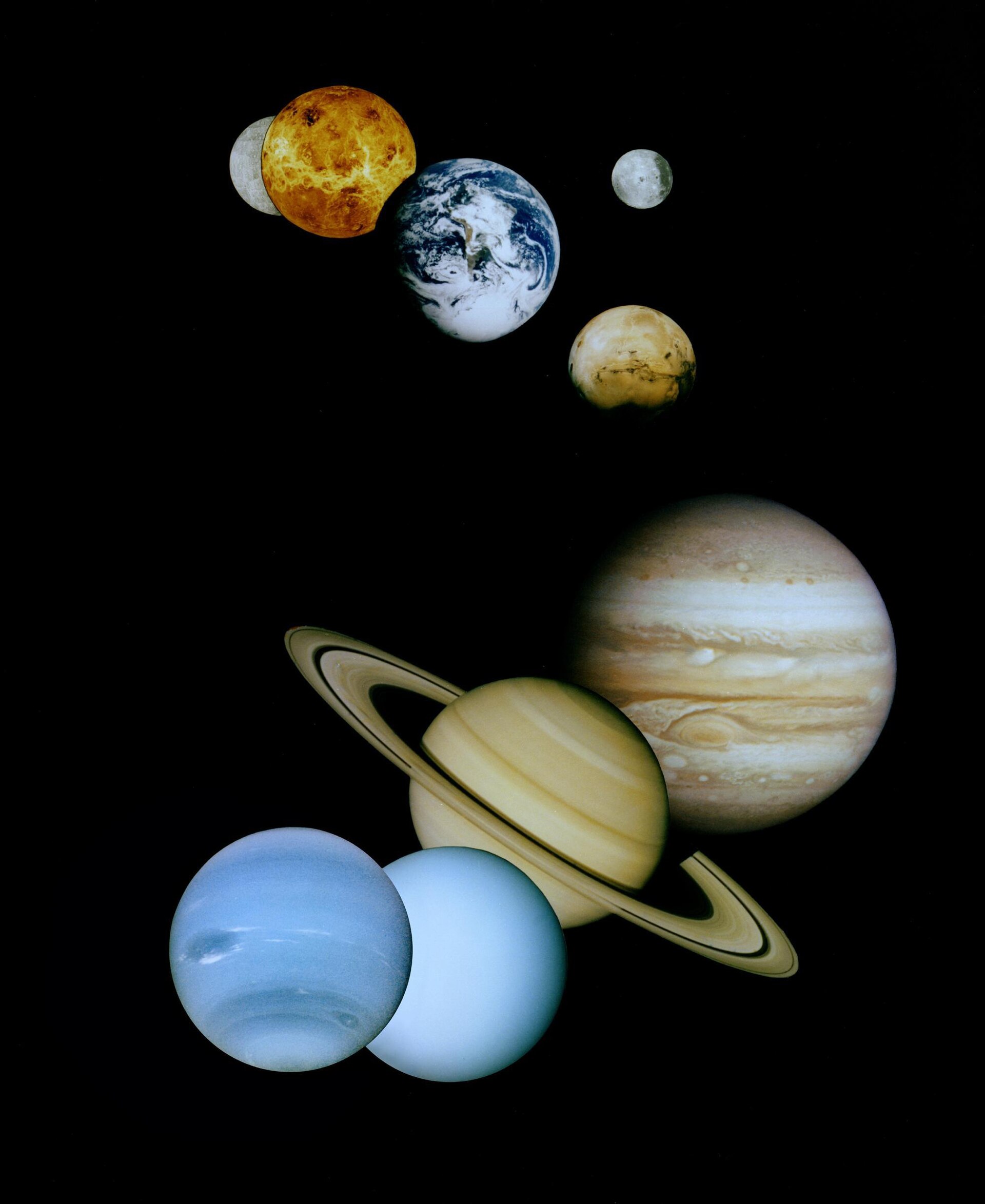
In Western astrology, planets serve as symbolic rulers over distinct areas of life and personality. The sun, moon, and personal planets move quickly, and astrologers link them to individual character. Jupiter and Saturn set a slower, structural rhythm. Uranus, Neptune, and Pluto crawl through the zodiac so gradually that they are read as generational markers rather than personal traits. This division follows the actual pace of each body's journey. The faster a planet moves, the more it connects to the details of who you are. The slower it moves, the more it reflects the era of your birth.

The Personal Planets: Sun, Moon, Mercury, Venus, Mars

The sun is said to govern core identity, vitality, and the conscious ego. Astrologers read it as the essential self, the part of you that seeks expression and recognition. The moon governs emotions, instincts, and the inner world, including how you respond to comfort and what you need to feel secure. Together, they are often called the two lights of the chart, balancing outward purpose with inward need.

Advertisement[SIDEBAR_RIGHT_2]

Mercury links to communication, learning, and mental processing. Astrologers associate it with how you speak, write, and absorb information, as well as your style of curiosity and problem-solving. Venus governs love, aesthetics, and values, including what you find beautiful and how you relate to others in affection and shared resources. Mars is the planet of action, desire, and drive. It is read as the energy behind ambition, conflict, and physical initiative - how you assert yourself and pursue what you want.

These five bodies move quickly through the zodiac, so they vary widely from person to person, even among those born in the same year. Your sun, moon, Mercury, Venus, and Mars placements are often the first things an astrologer examines when describing temperament, preferences, and relational style. That is why they are considered personal planets, and why they form the backbone of most introductory readings.

The Social Planets: Jupiter and Saturn

Jupiter is said to govern expansion, luck, and meaning. Astrologers associate it with growth, optimism, and the search for wisdom, as well as with abundance and opportunity. Its traditional keyword is benefic, reflecting a reputation for opening doors and broadening perspective. Jupiter spends about a year in each sign, so it is read as a social planet that shapes broader attitudes shared by people born in the same year or two - a shared sense of what feels possible or worth pursuing.

Advertisement[SIDEBAR_RIGHT_6]

Saturn governs structure, discipline, and responsibility. It links to boundaries, time, and the lessons that come with maturity. Its traditional keyword is malefic, though modern astrologers prefer to frame it as a teacher rather than a troublemaker. Saturn is read as the planet of limitation and hard work, reflecting how you handle duty and long-term commitments. Because it takes roughly two and a half years to move through a sign, Saturn is said to influence generational outlooks more than individual quirks. Its house and aspects still add personal color to how you meet obligations and build lasting foundations.

The Generational Planets: Uranus, Neptune, Pluto

Uranus governs innovation, rebellion, and sudden change. Its traditional keyword is awakening, capturing its association with disruption and new ways of thinking. Uranus moves so slowly - about seven years per sign - that everyone born within several years shares the same placement. Astrologers read it as a reflection of the era's collective attitude toward freedom, technology, and disruption rather than as a personal trait. If your Uranus sits in a particular sign, it says more about the inventions and upheavals of your formative years than about your individual habits.

Neptune links to imagination, dreams, and dissolution. Its traditional keyword is transcendence, reflecting its connection to spirituality, art, and illusion. With a roughly 14-year journey through each sign, Neptune marks entire historical periods, shaping how a generation approaches faith, creativity, and the line between reality and fantasy. Pluto, which can take anywhere from 12 to 30 years per sign, is associated with transformation, power, and deep psychological forces. Its keyword is regeneration, and its placement is read almost entirely as a generational signature, such as how a cohort experiences collective change and renewal.

Advertisement[SIDEBAR_RIGHT_7]

Astrologers tend to interpret the slow planets through the lens of a shared era rather than individual behavior. When reading a personal chart, they might note that your Uranus, Neptune, or Pluto placement says less about you as a unique person and more about the cultural backdrop you were born into. The personal and social planets, by contrast, are said to offer the finer details of personality and life path. As with all astrological practice, these interpretations are offered as reflection and entertainment, not as a basis for practical decisions. For questions about health, finances, or legal matters, a qualified professional is the appropriate guide.

Today's Horoscope

September 24, 2026

All signs →

Get Your Horoscope in Your Inbox

A weekly note on your sign, the moon, and what the stars are up to. No spam, unsubscribe anytime.

We respect your privacy. Unsubscribe at any time.