
What Your Birth Chart Really Reveals: 2026 Guide
Astrology Basics

What Your Birth Chart Really Reveals: 2026 Guide

Surya5 min read
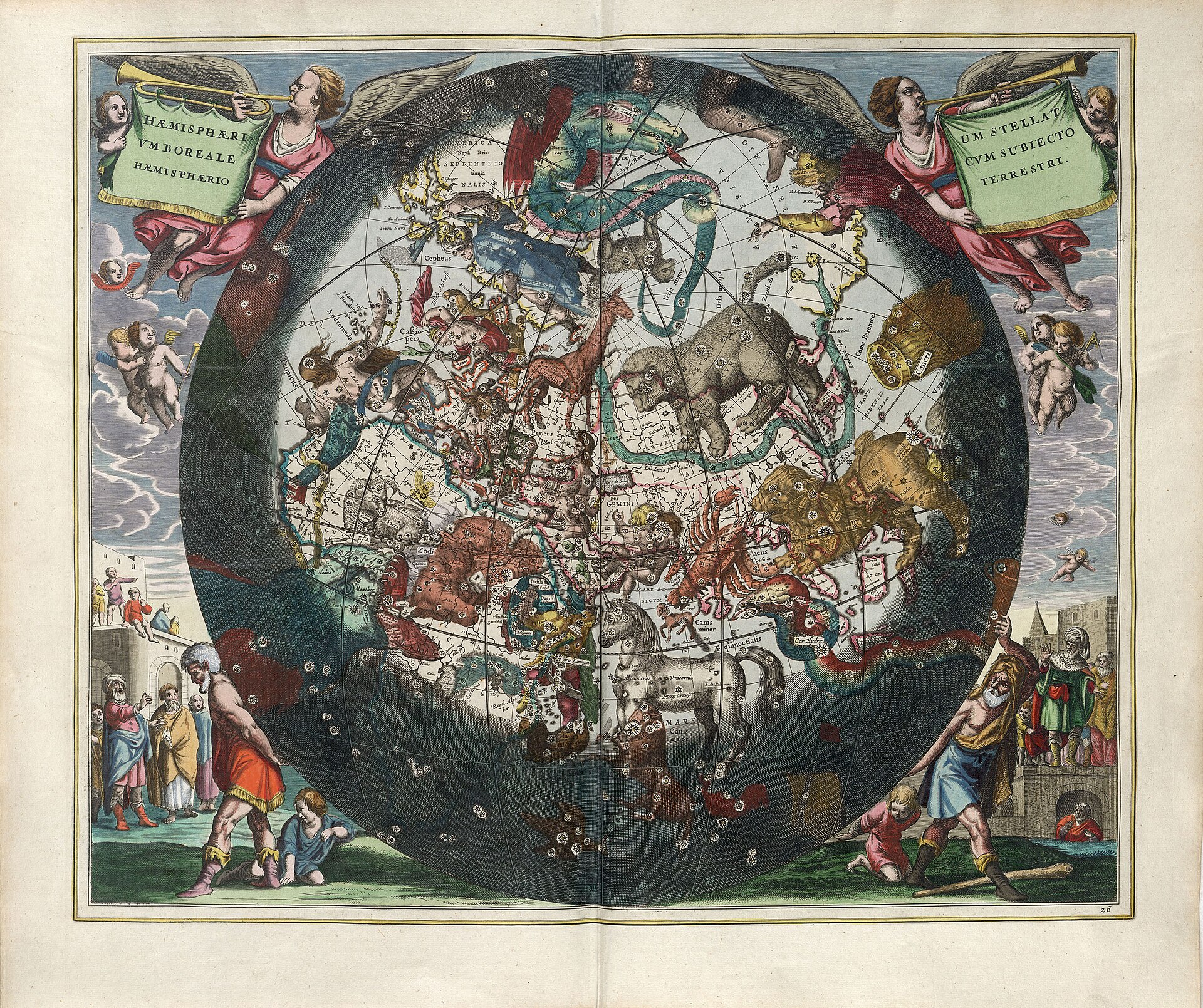
Photo: Andreas Cellarius / Wikimedia Commons (Public domain)

A birth chart is a snapshot of the sky from one exact place and moment: your date, precise time, and location of birth. It maps where every planet sat relative to Earth at that instant, and astrologers read it as a symbolic blueprint of personality and life themes - not as a prediction of events. The chart is built from three layers that work together: planets (what energy is at play), signs (how that energy expresses), and houses (where in life it shows up). The birth time matters far more than most people expect, because it shifts the rising sign and the entire house layout, while the outer planets barely move even hours apart. To get an accurate chart, you need your exact birth time - down to the minute if possible - plus the city and state, and a reliable source for that time such as a birth certificate or hospital record.

Understanding what a birth chart actually shows begins with recognizing that it is a tool for self-reflection, not a fortunetelling device. It is a celestial photograph of the moment you arrived, offering a lens through which to consider your tendencies, challenges, and gifts. For readers in the United States, where birth records are typically well-documented, pulling together the necessary details is usually straightforward. The chart itself is a circle divided into twelve segments, with planetary symbols scattered across it, and learning to read it is like learning a new language - one that speaks in metaphor and pattern rather than literal instruction.

Advertisement[SIDEBAR_RIGHT_2]

The Three Building Blocks: Planets, Signs, and Houses

Planets Are the "What"

In Western astrology, each planet represents a core drive or function. The Sun is said to show your core identity and vitality, the Moon your emotional instincts and inner world, and Mercury how you think and communicate. Venus is read as your approach to love and pleasure, Mars as your assertiveness and drive, while Jupiter and Saturn are often tied to growth and structure. The outer planets - Uranus, Neptune, and Pluto - are considered generational markers, reflecting broad cultural shifts rather than personal traits.

Astrologers look at which planets are present in your chart and treat them as the actors in a story, each with its own motivation. For example, someone with a prominent Sun might be described as having a strong sense of self, while a chart with a heavily aspected Moon could suggest a person who leads with their feelings. These planetary placements do not dictate behavior; they offer a vocabulary for discussing the different voices inside you. The inner planets move quickly and are highly personal, while the outer ones lumber along, shaping the backdrop of an entire era rather than any single individual.

Advertisement[SIDEBAR_RIGHT_6]

Signs Are the "How"

The zodiac signs are the costumes or filters for those energies. A Gemini Mercury is said to think and talk quickly with curiosity, while a Taurus Mercury prefers slower, steadier reasoning. The sign does not change what the planet wants; it shapes the style of expression. Each sign also carries an element (fire, earth, air, water) and a quality (cardinal, fixed, mutable), which add nuance. For example, a fire sign Mars might act boldly and impulsively, while an earth sign Mars might act practically and with patience.

This layer gives texture to the "what" - it explains the manner and tone of each planetary drive. Think of the planet as the engine and the sign as the chassis: the same engine can power a sleek sports car or a sturdy pickup truck. Astrologers read the sign placement to understand how you naturally approach the planet's domain. A Leo Venus might love grand gestures and dramatic romance, while a Virgo Venus prefers quiet acts of service and meticulous attention. The elements further color this, with water signs adding emotional depth, air signs intellectual detachment, and so on. Together, the planet and sign create a compound descriptor - a passionate communicator, a cautious adventurer, a nurturing leader - that feels more specific than either alone.

Advertisement[SIDEBAR_RIGHT_7]

Houses Are the "Where"

Houses divide your chart into twelve life arenas, such as self, money, communication, home, relationships, career, and spirituality. A planet placed in a house points to the area of life where that energy tends to play out. You might have Venus in the tenth house, suggesting an emphasis on relationships within your public career or reputation, or Mars in the fourth house, implying that assertiveness shows up most at home and in family matters. The houses are the stage set for the entire chart, giving context and real-world reference points. Without houses, a chart would be a list of abstract drives with no sense of where they operate.

Each house has a traditional meaning that has been refined over centuries, but modern astrologers often blend these with contemporary concerns like social media presence, environmental activism, and remote work. The first house governs the self and appearance, the second finances and values, the third communication and siblings, and so on around the wheel. A planet in a house is said to "light up" that area of life, drawing attention and energy there. For instance, the Moon in the seventh house might suggest a deep need for partnership and emotional connection in relationships, while Saturn in the second house could indicate a careful, disciplined approach to money. The houses are the most personal and time-sensitive part of the chart, which is why accurate birth time matters so much.

Today's Horoscope

September 24, 2026

All signs →

Get Your Horoscope in Your Inbox

A weekly note on your sign, the moon, and what the stars are up to. No spam, unsubscribe anytime.

We respect your privacy. Unsubscribe at any time.