
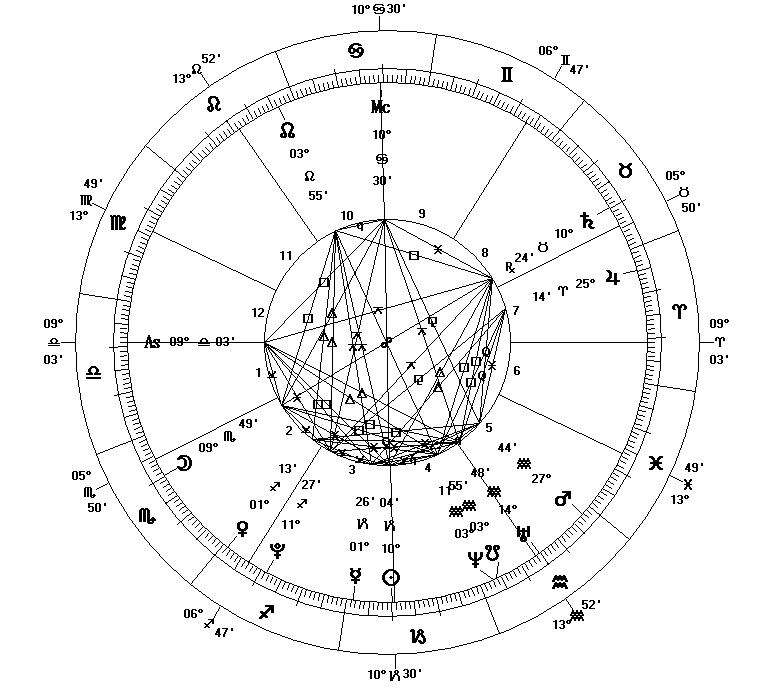
Why Your Sign Is Different in Western and Vedic Astrology
If you have ever compared your Sun sign in a Western horoscope with one from a Vedic astrologer, you likely noticed a mismatch - often a full sign back. This is not an error, nor is it a sign that one system is more accurate. Western astrology works with the tropical zodiac, tied to the seasons and the equinoxes, while Vedic astrology uses the sidereal zodiac, aligned to the fixed constellations of the night sky. Over centuries, the slow wobble of Earth's axis, called precession, has shifted these two zodiacs apart by roughly 24 degrees, which is why a Western Leo often reads as a sidereal Cancer. Both systems are internally consistent, but they ask different questions and measure the sky from different reference points.
How the Tropical and Sidereal Zodiacs Differ
Western astrology, the system most familiar to US readers, begins the zodiac at the March equinox, the moment when day and night are nearly equal. This is called the tropical zodiac, from the Greek tropos, meaning turn, because it tracks the Sun's seasonal turning points. It divides the sky into twelve equal 30-degree signs, regardless of where the actual stars sit behind them. Aries always begins at the equinox, Cancer at the June solstice, Libra at the September equinox, and Capricorn at the December solstice. In this framework, your Sun sign reflects the season you were born in, not the backdrop of stars.
Vedic astrology, also called Jyotish, takes a different anchor. It uses the sidereal zodiac, from the Latin sidus, meaning star. This system aligns its twelve signs with the actual constellations in the sky, using a fixed reference point called the ayanamsa to mark the difference from the tropical zodiac. Because Earth's axis wobbles very slowly, completing a full circle roughly every 26,000 years, the equinoxes drift backward through the constellations at about one degree every 72 years. Over the past two millennia, that drift has accumulated, so a person born when the Sun was in tropical Leo is often placed in sidereal Cancer. Neither placement is wrong - they are simply two ways of mapping the same sky.
What Each System Is Said to Emphasize
Astrologers who use the tropical zodiac tend to read the chart as a reflection of the individual's psychological makeup, personal growth, and relationship to the seasons of life. A tropical Leo is understood as a fixed fire sign connected to themes of self-expression, warmth, and creativity, because Leo season is high summer in the Northern Hemisphere. This approach is often described as more internal, focused on character and potential, which is why it feels natural to many Western readers.
Vedic astrologers, by contrast, often read the same chart through a lens of dharma, karma, and life circumstances. The sidereal Moon sign, called the rashi, is frequently given more weight than the Sun sign. A sidereal Cancer Sun, for example, is said to carry themes of emotional depth, nurturing, and protection, even if the tropical chart places the Sun in Leo. Vedic practice also places strong emphasis on the nakshatras, the 27 lunar mansions that divide the sidereal sky, adding a layer of detail that has no direct counterpart in most Western Sun sign columns. These are interpretive traditions, not scientific findings, and they are best read as reflective tools rather than predictions.
Why Ophiuchus Comes Up and What It Means
Every few years, a news story appears claiming that your sign has changed because of a thirteenth constellation, Ophiuchus, which sits along the ecliptic between Scorpio and Sagittarius. In sidereal astronomy, the Sun does pass through Ophiuchus for about 18 days each year, from roughly late November to mid-December. However, this is a statement about the constellations, not about how astrologers read your chart. Both the tropical and sidereal zodiacs divide the sky into twelve equal signs for symbolic purposes, and neither system ever included Ophiuchus as a sign, regardless of the Sun's actual path through the stars.
The claim resurfaces because it conflates astronomy with astrology, treating the constellations as if they were identical to the zodiac signs. In fact, the constellations vary wildly in size, and the ecliptic passes through more than twelve of them. The twelve-sign system is a symbolic convention, not a description of the sky's geometry. So if you have ever felt confused by a headline about a new sign, the short answer is that your chart has not changed. What changes is the reference system an astrologer chooses to use, and that choice is a matter of tradition, not fact.
For those curious about their own chart, the best way to see the difference is to have your birth details cast in both systems and compare the readings. You may find that the tropical interpretation speaks to how you see yourself, while the sidereal reading offers a complementary perspective on your circumstances. As with all astrology, these are frames for reflection, not fixed truths. If you find that either system raises concerns about a real-world decision, such as your health, finances, or legal matters, consider speaking with a qualified professional in that field. The stars can offer a mirror, but they do not make your choices for you.