
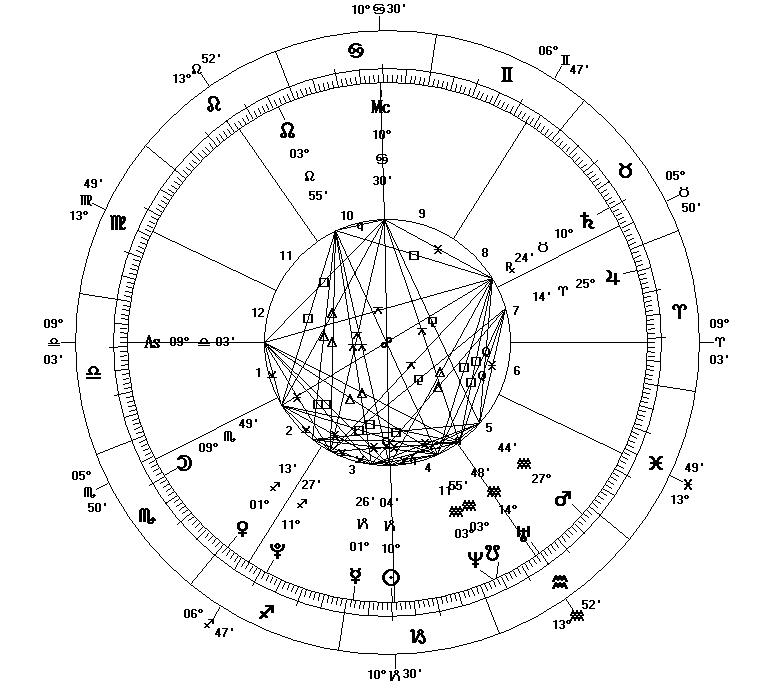
In Western astrology, the six pairs of signs that sit directly across the zodiac wheel from each other are not read as enemies or rivals. Astrologers view them as two ends of a single continuum. Each pair shares a modality - cardinal, fixed, or mutable - and together they express one core theme from two angles. The idea is that the signs balance each other, with each holding a piece of a larger puzzle. Here is how the six axes are understood, one pair at a time.
The Six Zodiac Axes: How Opposite Signs Share One Theme
The six pairs are Aries-Libra, Taurus-Scorpio, Gemini-Sagittarius, Cancer-Capricorn, Leo-Aquarius, and Virgo-Pisces. Each axis asks a shared question from opposing vantage points. Astrologers read the tension between them as creative rather than combative. The signs are said to complete each other, not cancel each other out. This symbolic framework has roots in ancient Hellenistic practice, where thinkers like Ptolemy formalized the concept of opposite signs as complementary pairs. His work in the Tetrabiblos remains a foundational text for Western astrologers today.
The Cardinal Axes: Aries-Libra and Cancer-Capricorn
The cardinal signs initiate seasons. Their opposite pairs are read as complementary approaches to action and structure.