
Black Moon Lilith: What It Is and How It Is Read
Hemeswari
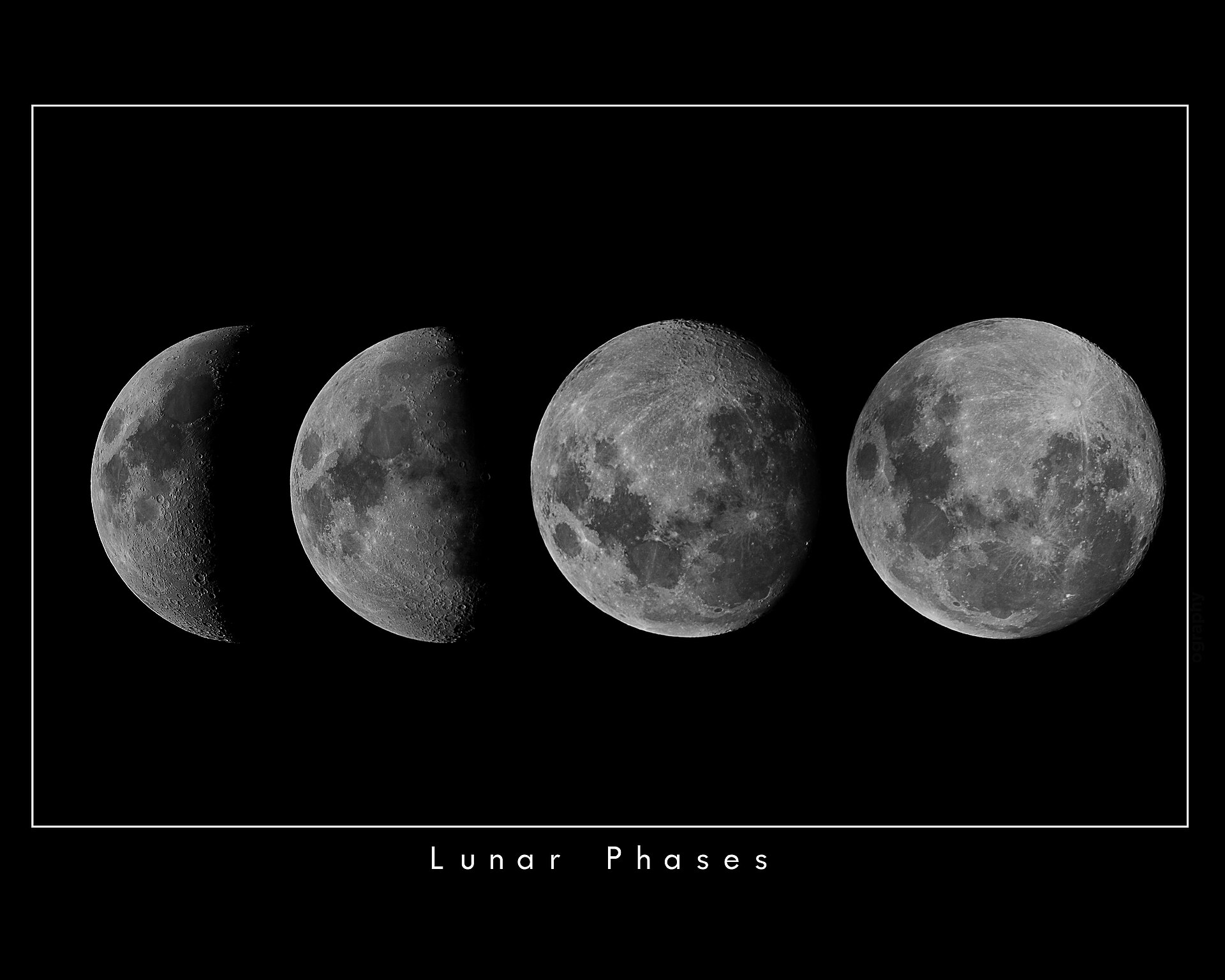
## Black Moon Lilith: What the Point Is and How It Is Read
Black Moon Lilith is not a planet, an asteroid or a goddess. In a chart it is a calculated point: the lunar apogee, the far end of the moon's elliptical orbit around Earth. Astrologers read it as a symbol of the refused, the unedited and the part of a person that will not perform for approval. This is modern interpretive material rather than traditional astrology, and it is best approached as a lens for reflection rather than a statement of fact.
## Where the Point Comes From
### Apogee, Not Object
The moon's path around Earth is an ellipse, so its distance varies. The apogee is the point of greatest separation, and Black Moon Lilith marks that far end. Nothing physical sits there. It is geometry expressed as a degree and a sign, which is why it appears in chart software beside the planets while belonging to a different category altogether.
Astrologers name this point after Lilith, a figure from Mesopotamian and later Jewish folklore who is read in many traditions as the woman who refused to submit. The name is poetic inheritance, not astronomy. The point was there in the math long before anyone assigned it meaning.
### Three Things Called Lilith
Confusion is common because three separate things share the name.
The asteroid Lilith, numbered 1181, is a real rocky body orbiting in the main belt. It has a physical position and its own interpretive tradition. [NASA's Jet Propulsion Laboratory](https://ssd.jpl.nasa.gov/) maintains orbital data on bodies of this kind for anyone curious about the distinction.
Mythological Lilith is the figure from story and folklore, with no chart placement at all.
Black Moon Lilith, the subject here, is the lunar apogee. When a chart lists "Lilith" without qualification, it usually means this point, but it is worth checking which convention the software is using.
### Mean and True
Within the apogee itself there are two versions. The mean Black Moon Lilith is an averaged, smoothed calculation that moves steadily and evenly. The true, or osculating, Black Moon Lilith follows the actual wobble of the orbit and can deviate noticeably from the mean.
Because of this, two charts cast for the same moment can show Black Moon Lilith in different degrees, sometimes in different signs near a cusp. Neither is wrong. They are different calculations of the same abstract point, and astrologers generally pick one convention and stay with it.
## How Astrologers Read It
### The Modern Interpretive Read
Traditional astrology has no place for the lunar apogee. The Black Moon Lilith most readers meet today is a twentieth-century addition, and its meaning is agreed by convention rather than inherited from ancient texts. Different astrologers frame it differently, which is part of why it resists a tidy definition.
The common thread is refusal. Where the point falls is often read as the area of life where a person will not be managed, where compromise feels like erasure, and where anger or exile may collect when that refusal is ignored. It is frequently described as the raw, unedited self: the part that does not soften for company.
Some astrologers emphasize shadow, treating the placement as the place where denied material surfaces sideways. Others emphasize integrity, reading it as the place a person stays honest at real cost. Most working interpretations hold both at once, because a refusal can protect something true and can also isolate the person doing the refusing. Many astrologers pair this point with a study of the moon's nodes, since both describe a kind of inherited tension rather than a personality trait.
### Reading It in a Chart
By sign, Black Moon Lilith describes the flavor of that refusal: how directly it is expressed, how it is dressed, whether it smolders or argues.
By house, it describes the arena: work, partnership, family, creativity, the body, belief. A placement in the seventh house is often read as a refusal to be defined by a partner; in the tenth, a refusal to perform a public role that feels false.
By aspect, it describes friction and alliance with the rest of the chart. Contact with the moon or Venus tends to pull the point into emotional and relational territory. Contact with Saturn or Pluto tends to sharpen themes of control and power.
A useful reading also checks the ruler of the sign the point occupies, and compares the placement to the rest of the chart. Black Moon Lilith works as texture, not as a headline. A whole life does not turn on one abstract degree.
Worth noting: the placement describes a pattern astrologers associate with a symbol. It says nothing about what a person should do about it, and nothing about health, money or legal matters, where a qualified professional is the right resource.
## Using It Without Overreading
Black Moon Lilith is compelling because it names something people recognize: the line they will not cross, and the cost of holding it. That recognition is the point. It is a reflective tool, not a diagnosis of character and not a forecast.
The honest caveats travel with it. It is a calculated point, not a body. Its meaning is modern and still contested. Mean and true versions disagree by degrees, so precision is limited. And nothing about it is settled tradition.
Read it as a question rather than an answer: where do you refuse, and what does that refusal protect? Enjoy it as entertainment and self-reflection. Let it start a conversation with yourself rather than end one.
Advertisement[IN_ARTICLE_6]
More From The Newsroom

Life's Finally Getting A Lot Less Intense For 3 Zodiac Signs For The First Time In 8 Years
Your Love Horoscope Is Here For Wednesday, September 23: Be Honest Today

5 Zodiac Signs Have The Best Horoscopes On Wednesday, September 23

5 Zodiac Signs Have A Lot More Financial Opportunities While Venus Is In Scorpio Until October 25
Horosly writes its own account of the story above and credits the outlet that reported it. Follow the source link for the publisher's original article. Disclaimer