
Juno, Eros and Psyche: Relationship Asteroids Explained
Surya
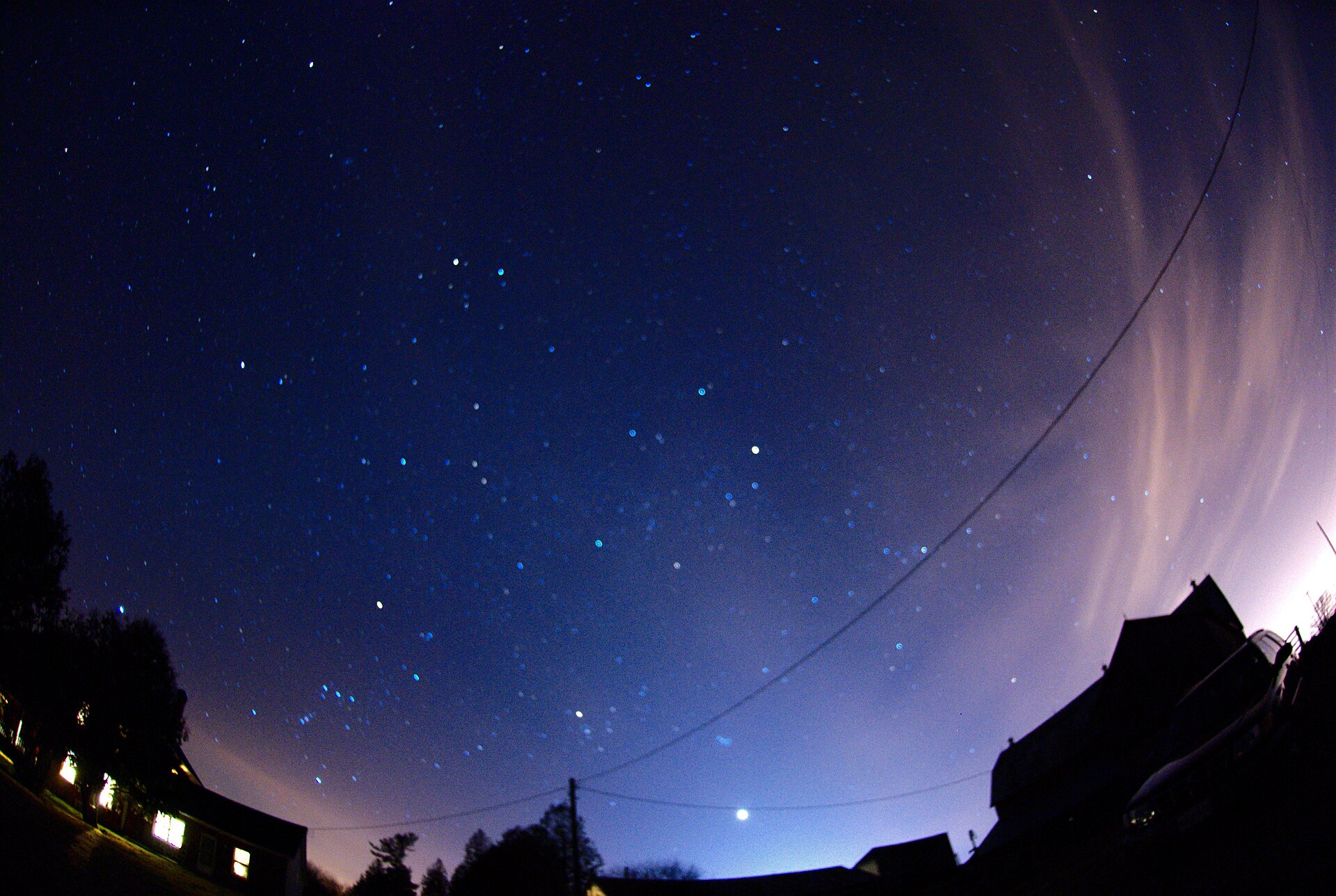
## Juno, Eros and Psyche: The Relationship Asteroids, Explained
Three asteroids come up again and again in modern relationship astrology, and each one covers different ground. Juno speaks to commitment and the qualities someone wants in a partner. Eros speaks to erotic charge and what stirs desire. Psyche speaks to soul-level attachment and the feeling of being known.
Treat them as interpretive extras rather than foundations. They refine a reading; they do not build one. In most astrology software and chart services, you have to switch them on before they appear in a chart at all.
## What Each Asteroid Is Read For
### Juno: The Partnership Contract
When the question is commitment, Juno is the placement astrologers reach for. In a natal chart, it is said to describe the kind of partnership a person recognizes as fair, the terms they quietly require, and the traits they want in a long-term partner. Read by sign, it colors the style of that commitment. Read by house, it points to the area of life where partnership matters most.
A Juno in an earth sign is often described as wanting something durable and practical. In an air sign, it is read as needing conversation and mental company. Astrologers also compare Juno to the seventh house and to Venus, since all three touch partnership. The more of them that agree, the more confident the reading tends to be.
### Eros: Attraction and Desire
Eros is less a love asteroid than a longing one. It is read for what creates erotic charge, what pulls someone toward another person before any decision gets made, and where desire runs hot or complicated. By sign, Eros suggests the flavor of that pull. By house, it points to the arena where it tends to show up.
Keep Eros separate from Venus and Mars. Venus describes what someone finds beautiful and values. Mars describes how they pursue. Eros describes the charge itself, which can exist with or without either. Astrologers often note that Eros contacts in synastry are read as chemistry rather than compatibility, a distinction worth holding onto.
### Psyche: Soul-Level Attachment
Psyche is read for the bond that feels less like preference and more like recognition. Where Eros supplies the spark, Psyche describes the deeper attachment, the sense of being understood without explaining yourself, and the vulnerability that comes with letting someone that close. By sign it suggests how that recognition is experienced. By house it points to where in life it tends to arrive.
Because Psyche is tied to the myth of a bond tested and earned, astrologers tend to read it as something that develops rather than something felt at first sight. They often look at Psyche alongside the Moon and the seventh house when the subject is emotional security.
## How Astrologers Actually Use Them
The honest answer is carefully, and usually last. These three points are modern additions to a system built on the classical planets, and they were named for figures in myth rather than discovered as part of a designed scheme. That history shapes how much weight they can carry. Most astrologers work the traditional chart first, then add Juno, Eros and Psyche as a final layer of color. A reading that leans on them alone tends to feel thin, and one that ignores them loses nuance the rest of the chart cannot quite supply.
In practice, they get read three ways. In a natal chart, they describe a person's own patterns around commitment, desire and attachment. In synastry, where two charts are compared, contacts between one person's asteroid and the other's personal planets are read as points of intensity. In composite charts, they are said to describe the relationship as its own entity. None of these are measurements. They are interpretive frames, and different astrologers weight them differently.
### The Practical Part: Switching Them On
One technical note explains most of the confusion around these asteroids. Juno, Eros and Psyche are not included in a default chart calculation. In most astrology software and chart services, you have to enable them in settings before they will appear. If you have looked at your chart and found no sign of them, that is usually why.
Each asteroid also has a number in the catalog, and a program may list them that way rather than by name. That is another common reason people think a placement is missing. For background on how smaller bodies entered modern practice, the [International Astronomical Union](https://www.iau.org/) documents the catalog itself, while [NASA's Jet Propulsion Laboratory](https://www.jpl.nasa.gov/) maintains the orbital data astrologers rely on.
### Reading Them Together
The three work best as a set because they answer different questions. Juno asks what someone is looking for in a partnership. Eros asks what creates pull. Psyche asks what creates the feeling of being known. A chart can be strong in one and quiet in another, and that mix is often more interesting than any single placement.
Compare them to Venus, Mars, the Moon and the seventh house, and notice whether they reinforce or complicate what the rest of the chart already says. Where they agree, the theme tends to read clearly. Where they disagree, the tension is usually the point.
## What to Keep in Mind
These asteroids are a lens, not a verdict about any particular relationship. They describe tendencies and themes as astrologers read them, and they are best treated as reflection and entertainment rather than as information about what will happen. Nothing in a chart obliges anyone to stay, leave or choose a partner, and no placement speaks to questions that belong with a qualified professional.
Read Juno for the terms you want, Eros for the charge you feel, and Psyche for the recognition you are looking for. Let what you notice about yourself be the useful part.
Advertisement[IN_ARTICLE_6]
More From The Newsroom

Life's Finally Getting A Lot Less Intense For 3 Zodiac Signs For The First Time In 8 Years
Your Love Horoscope Is Here For Wednesday, September 23: Be Honest Today
5 Zodiac Signs Have The Best Horoscopes On Wednesday, September 23

5 Zodiac Signs Have A Lot More Financial Opportunities While Venus Is In Scorpio Until October 25
Horosly writes its own account of the story above and credits the outlet that reported it. Follow the source link for the publisher's original article. Disclaimer