
Lunar Return: The Moon Coming Home Each Month
Surya
## What a Lunar Return Actually Is
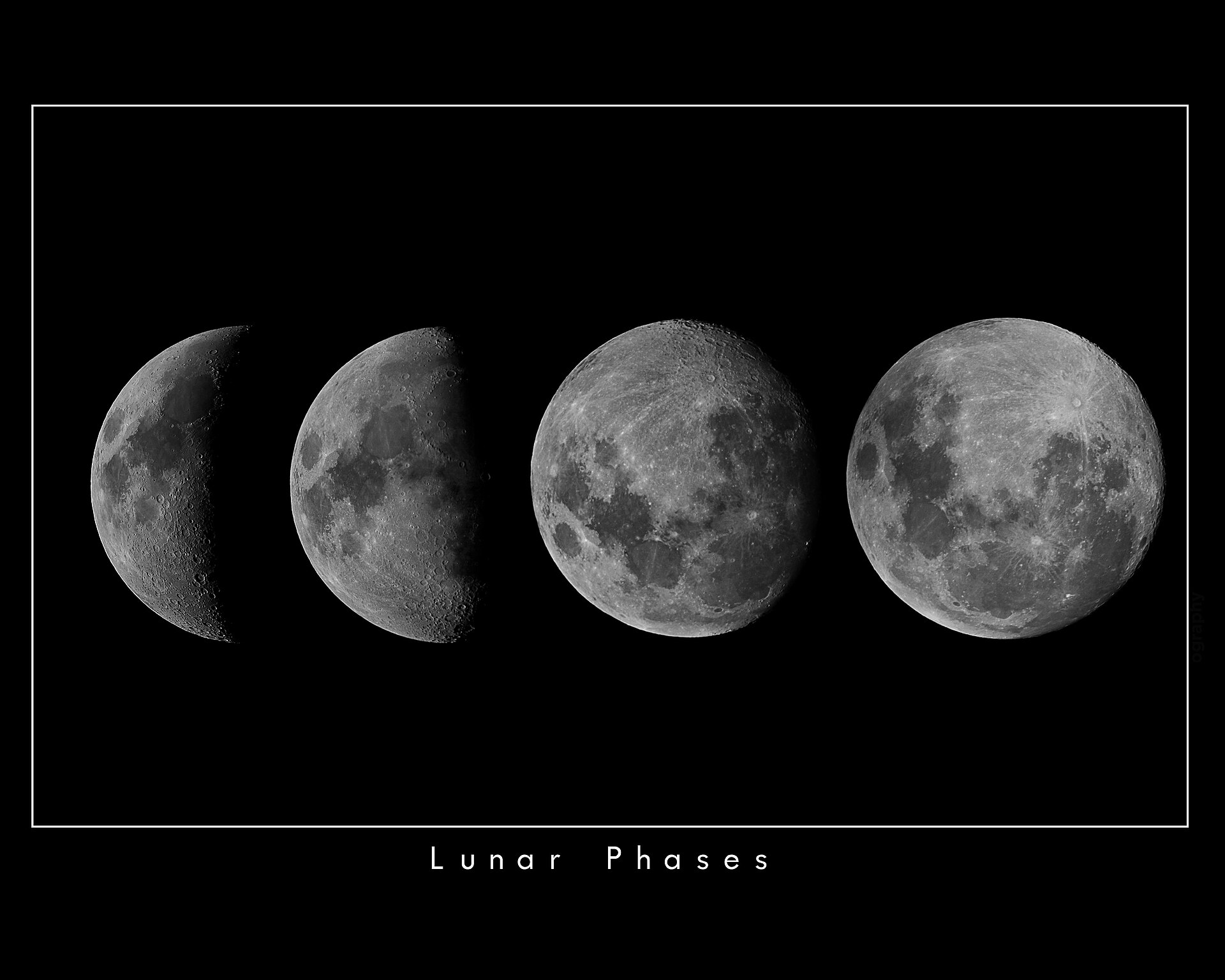
A lunar return happens when the transiting moon comes back to the exact degree and sign it held at your birth. The moon circles the zodiac in roughly twenty-seven and a third days, so this homecoming arrives about thirteen times a year. That makes it the most frequent chart in astrological practice. More rhythm than event, and that is exactly what makes it useful.
A solar return is cast once a year, on or near your birthday, and read as a broad theme for the year ahead. A lunar return is monthly and far more granular. Astrologers treat the chart drawn for that exact moment as a month-long emotional weather report, a snapshot of the mood you are likely to move through between one return and the next. It is a rhythm chart, not a headline chart.
If you have read about the solar return as a yearly reset, think of the lunar return as its quieter, faster cousin. One sets the tone for a year. The other describes the emotional texture of a few weeks. Neither forecasts events. Both are lenses.
## Reading the Chart as a Monthly Emotional Weather Report
A chart cast for the return is read like a short forecast, not a long-range plan. The moon governs instinct, habit, appetite, memory and the private self, so its monthly chart tends to describe inner conditions rather than outer events. You are not looking for what will happen. You are looking for what will feel like what.
### The House the Return Falls In
The natal house where the return lands is often the starting point. Astrologers read it as the area of life that will carry the most emotional charge over the coming weeks: home and family, work and daily routine, relationships, rest and retreat. It points to where your attention keeps drifting back. A return in the fourth house may feel domestic and inward. In the tenth, visible and ambitious. In the twelfth, quiet and porous. The house names the room; the rest of the chart describes the furniture.
### The Moon's Sign and Aspects
The sign the return falls in colors the tone, and any close aspects to the return moon suggest how that tone meets the rest of the chart. A return moon in an earth sign is often read as steadiness and practicality; in fire, restlessness and appetite for movement; in air, talk and ideas; in water, feeling that runs deep and takes its time. Aspects add nuance. A trine to Saturn might read as patience; a square to Mars, as friction that wants an outlet. Astrologers hold these lightly, as suggestions rather than verdicts.
### The Ruler of the Return
Many astrologers look to the planet ruling the sign of the return moon and where it sits in the chart. Its condition is read as background support or friction for the month's emotional themes, a quiet thread running underneath the more obvious placements. If the return moon is in Cancer, the moon itself rules the chart, and its house placement becomes doubly important. In Virgo, Mercury takes the lead. This is where a reading becomes layered rather than literal.
## How the Lunar Return Differs From the Solar Return
The two charts are cousins with very different jobs. A solar return marks a fresh yearly cycle and tends to be read in terms of identity, direction and the larger arc of a year. A lunar return marks a shorter emotional cycle: how you feel, what you need, how you recharge. For more on the yearly chart, our solar return explainer covers the broader themes.
Because it repeats roughly every twenty-seven and a third days, the lunar return is less about a single turning point than about pattern. Astrologers often suggest tracking several returns in a row and noticing what keeps recurring. The repetition itself is the information. One month tells you little; six months of returns begin to show a rhythm you can work with.
The solar return is tied to a birthday and therefore to a fixed annual date. The lunar return drifts through the calendar. Its sign and degree stay consistent from month to month, but its date and time shift with the moon's own schedule. That is why lunar returns are usually worked with as a running series rather than a single event.
A useful way to hold the two together: the solar return sets the year's intention, and each lunar return describes the emotional texture of the month inside it. One is the map, the other is the weather.
## Working With Your Return Without Overthinking It
Most astrologers treat the lunar return as a reflective tool, not a set of instructions. You can cast the chart, note the house, sign and aspects, and then hold those themes loosely as the month unfolds. A short journal kept between returns can be more revealing than any single chart, because it shows which feelings actually repeated.
It helps to schedule nothing around a return and to decide nothing important because of one. The chart describes inner climate; it does not choose your actions. For anything touching health, money, work or the law, a qualified professional is the right person to consult, and astrology is better kept as a lens for reflection than a substitute for that guidance.
If you want to go deeper, tracking your moon sign and your natal moon placement alongside these monthly returns will give the practice more texture than any single chart can. The moon coming home each month is, in the end, a modest idea with a long tail. It offers a monthly appointment with yourself, roughly thirteen times a year, timed to the moon's own homecoming. Read it lightly, track it honestly, and let the pattern speak rather than the prediction.
Advertisement[IN_ARTICLE_6]
More From The Newsroom

Life's Finally Getting A Lot Less Intense For 3 Zodiac Signs For The First Time In 8 Years
Your Love Horoscope Is Here For Wednesday, September 23: Be Honest Today
5 Zodiac Signs Have The Best Horoscopes On Wednesday, September 23
5 Zodiac Signs Have A Lot More Financial Opportunities While Venus Is In Scorpio Until October 25
Horosly writes its own account of the story above and credits the outlet that reported it. Follow the source link for the publisher's original article. Disclaimer