
Moon in the Third House: Communication and Feeling
Surya
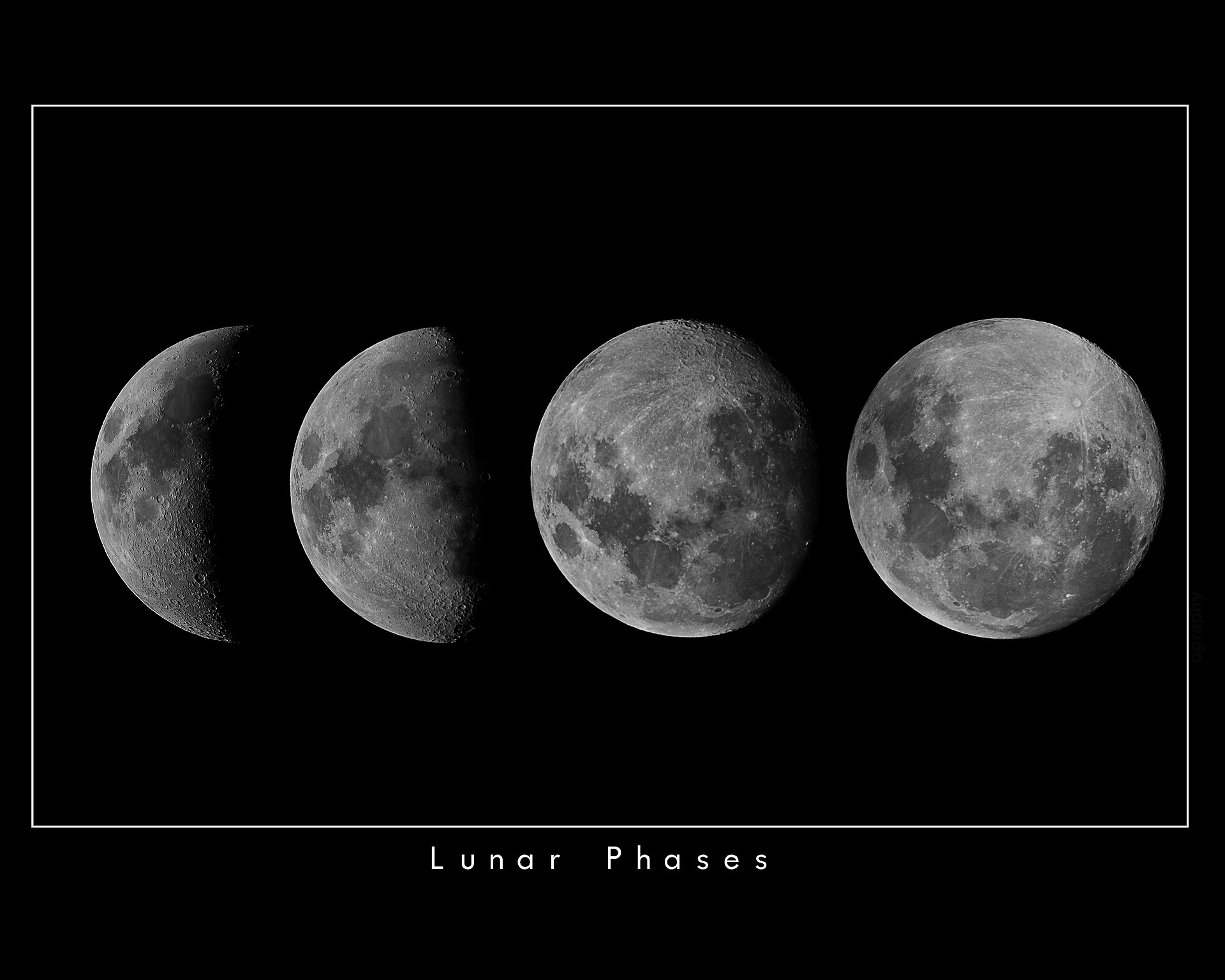
## Moon in the third house: emotional life in the realm of words and everyday exchange
Moon in the third house is read as the feeling nature and the thinking, talking mind sitting close together. In Western astrology the Moon describes emotional needs, instinctive reactions and what brings comfort. The third house is a cadent house covering communication, siblings, neighbors, short journeys and early learning, and it is naturally associated with Gemini. Put the Moon there and astrologers say emotional life flows through language, curiosity and the small exchanges of an ordinary day. This is a reflective reading of symbolism, not a prediction, and no placement is good or bad on its own.
## What the Moon in the third house is said to mean
The third house is the mind's neighborhood: conversation, messages, questions, the small talk of a day. With the Moon here, astrologers read emotional security as tied to being heard and to hearing others. Thoughts may arrive wrapped in feeling, and a quiet exchange can settle the mood as much as a long talk. Writing, journaling or simply naming a feeling out loud is often described as a kind of home base for this placement.
Because the third house rules brothers and sisters, neighbors and the near environment, the Moon here is said to color those bonds with instinctive care. Astrologers read a felt responsibility toward siblings, or a sibling-like closeness with friends, and a sensitivity to the mood of a street, a workplace or a group chat. Short trips and daily commutes may carry emotional weight, taken as small rituals rather than mere logistics.
The third house also covers early education and the way a person first takes in information. The Moon in this house is read as learning that happens through feeling: stories remembered because they moved you, teachers who felt safe, subjects that became comforting. Curiosity is described as a need rather than a pastime, and a restless mind may simply be searching for something familiar to land on.
## One strong expression and one challenging one
The strong expression is often called emotional intelligence in motion. Astrologers read this placement as someone who can translate feeling into words, who listens closely, and who makes ordinary conversation feel like being welcomed in. Quick, warm, responsive communication is said to come naturally, along with a genuine interest in the everyday details of other people's lives.
The challenging expression is read as moods that ride on words. Feelings may spill into speech before they are understood, or a passing comment may be taken further to heart than intended. Restlessness, scattered attention or over-explaining are sometimes described, and siblings or neighbors can become the stage for old emotional patterns. Astrologers read this as a tension to notice and work with, not a fixed trait. Where it feels heavy, a counselor or therapist is the right person to talk it through with.
## How the sign and aspects modify the reading
The Moon's sign describes the flavor of the emotional need. In a water sign, feeling may lead the conversation; in an air sign, talking may be the way feeling gets processed; in an earth sign, practical news and daily routines may carry the comfort; in a fire sign, enthusiasm and storytelling may set the tone. The sign on the third house cusp, which can differ from the Moon's sign, colors the house itself: an airy cusp is read as a more mental, chatty third house, a watery one as a more receptive and moody local world.
Aspects to the Moon adjust the emphasis. A flowing aspect from Mercury or Venus is read as ease with words and warmth in exchange; a flowing aspect from Saturn as steadiness and thoughtful listening. A tense aspect from Uranus may be read as sudden changes of mind, from Neptune as blurred or idealized communication, from Pluto as intense or probing conversation. Each is a variation in emphasis, not a verdict.
House placements depend on an accurate birth time, so a chart cast without one may shift the Moon into a neighboring house. Astrologers treat the whole chart as a web of emphasis, read for reflection and self-understanding rather than as a forecast. The sign and its aspects, covered in more detail elsewhere on the site, matter as much as the house itself; the basics of how a natal chart is assembled are set out by [Astrodienst](https://www.astro.com/astrowiki/en/House), and the [Faculty of Astrological Studies](https://www.astrology.org.uk/) offers a fuller look at the tradition behind house meanings.
Read this as one thread in a larger picture, useful for noticing how feeling and language intertwine in your own life, and nothing more fixed than that.
More From The Newsroom

5 Zodiac Signs Have A Lil' Career Plot Twist On The Way
Your Love Horoscope Is Here For Thursday, November 12: Expect Some Tension Today

Your Daily Horoscope For Thursday, November 12: The Capricorn Moon Is Here With Some Support

Life's A Lot Happier For 5 Zodiac Signs After Angel Number Day 11/12
Horosly writes its own account of the story above and credits the outlet that reported it. Follow the source link for the publisher's original article. Disclaimer