
Moon-Sign Fit: The Quiet Half of Compatibility
Jaysurya
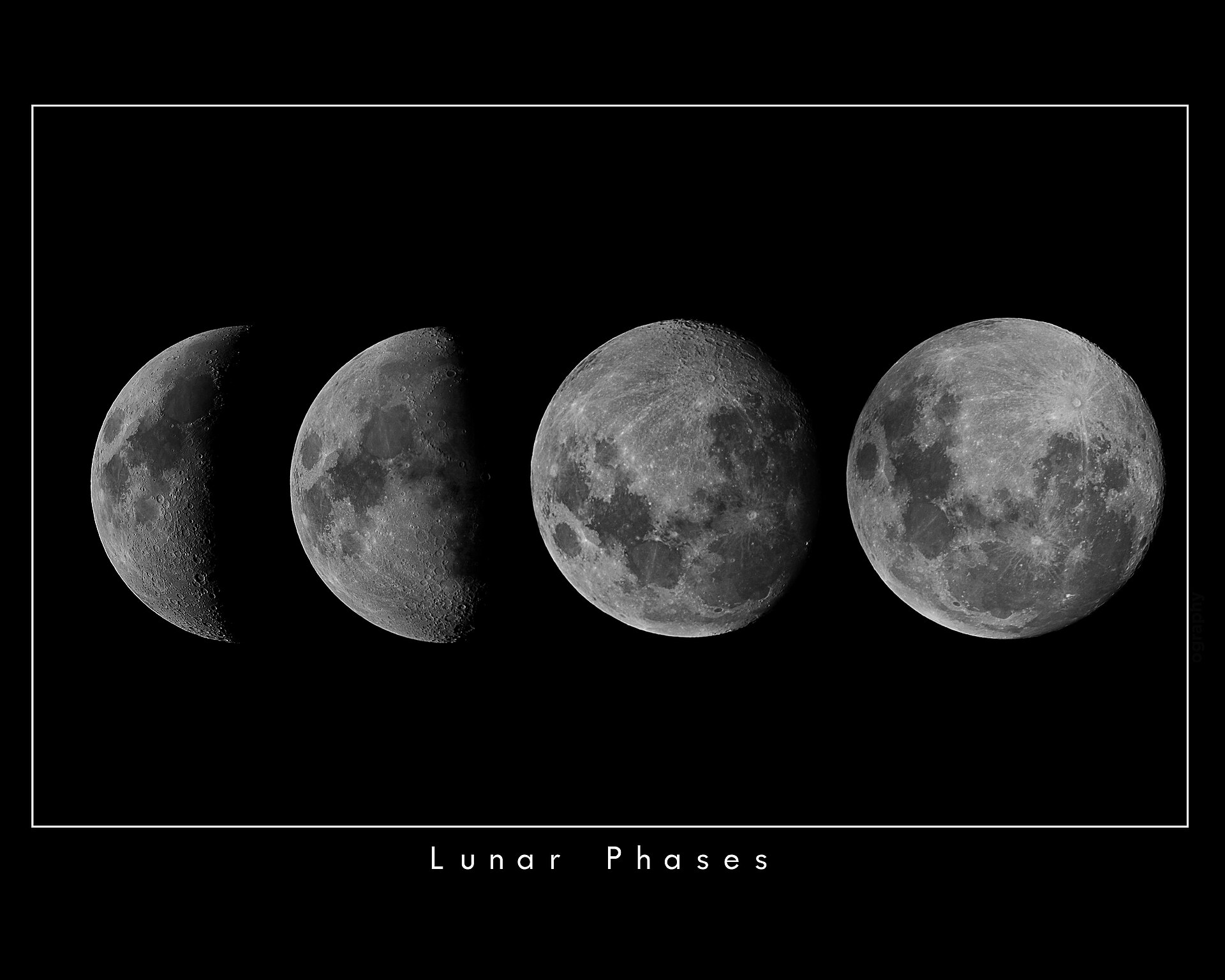
## Moon-Sign Fit: The Quiet Half of Compatibility
The sun sign gets the headlines, but the moon sign is the part of a chart that astrologers read for what a person needs in order to feel settled. In compatibility, the moon is treated as the domestic, day-to-day layer of a match. Sun signs show how two people shine together in public; moon signs reveal how they behave when the curtains are drawn. That is why moon contacts are often described as the quiet half of compatibility. They do not spark the romance, but they are said to sustain it long after the initial excitement fades. For a deeper look at how the moon shapes daily emotional life, you can also explore how lunar placement influences personal habits in our related piece on reading your birth chart beyond the sun.
### Why the Moon Is Read as the Need for Comfort
In western astrology, the moon rules the emotional body. Astrologers look to the moon sign to understand what a person instinctively reaches for when tired, stressed, or simply at home. A moon in Cancer, for example, is often read as someone who needs physical and emotional safety. A moon in Aquarius, by contrast, is seen as someone who needs mental space and freedom to feel at ease. These are not choices or preferences; they are read as reflexes. When two people come together, the moon signs are said to describe how each person's comfort zone interacts with the other's. This is why astrologers treat moon compatibility as the long-term glue of a relationship, separate from the spark of attraction described by Venus or the excitement of a Mars contact.
The moon is also read as the layer that shows up in small, repeated moments. It is the sign that governs how someone takes their coffee, how they unwind after a difficult day, and what kind of silence feels comfortable. In a partnership, these small rhythms matter more over time than grand gestures. Sun sign compatibility can describe whether two people share goals or values, but moon signs describe whether two people can share a quiet Tuesday night without friction. Astrologers say the moon layer outlasts the initial attraction ones: the first flush of a relationship is driven by chemistry, but the staying power is driven by whether each person's home base feels safe with the other.
### What Same-Element Moons Are Said to Feel Like
When two people have moon signs in the same element, astrologers read that as a natural resonance. Fire moons (Aries, Leo, Sagittarius) are said to need enthusiasm and action to feel settled. Two fire moons together are often described as a match where both partners recharge through shared adventure and heat. They understand each other's need for excitement without explanation. Earth moons (Taurus, Virgo, Capricorn) are read as needing stability, routine, and tangible comfort. Two earth moons tend to feel aligned on practical matters: they both want a predictable home rhythm and find comfort in the physical world. Air moons (Gemini, Libra, Aquarius) need conversation and mental stimulation. Two air moons are often said to feel settled when they can talk through everything, sharing ideas and keeping an intellectual spark alive. Water moons (Cancer, Scorpio, Pisces) need emotional depth and closeness. Two water moons usually read as a match where both partners are comfortable with intense feelings and do not shy away from the emotional undercurrents of a relationship.
Same-element moons are not read as a guarantee of a perfect match. Astrologers describe them as a head start. The two people are said to speak the same unspoken emotional language, which means less effort is needed to explain basic needs. A same-element pairing often feels easy in the early domestic stages because neither partner has to translate their instincts. The comfort is automatic in a way that cross-element pairings must learn over time.
### What a Moon Square Moon Contact Is Said to Feel Like
When two moons form a square in a synastry chart, the two planets are about 90 degrees apart. This is read as a contact of friction and tension. Unlike a trine or a sextile, which are considered easy and flowing, a square is viewed as a stress point that demands work. In a moon square moon contact, the two people's emotional needs are said to be at odds. What settles one person actively unsettles the other.
Astrologers describe a moon square moon as feeling like two people who care for each other but have opposite definitions of comfort. One partner may need quiet solitude to recharge while the other needs active reassurance. One may need a structured routine while the other finds routine suffocating. The friction is not about a lack of love; it is about a repetitive collision of needs. Small situations, like how to spend a free Sunday or how to handle a bad day, can become unexpectedly loaded. The emotional thermostat of one person feels wrong to the other, and neither is deliberately causing the friction.
This contact is not read as a dealbreaker. It is read as a relationship that requires deliberate translation. The two partners have to learn to name their needs out loud, because they cannot assume the other person's instincts match their own. Astrologers note that moon square moon relationships often have a push-pull dynamic: the very traits that attract each partner also grate on them. Over time, this contact can build resilience if both people are willing to talk through the friction. It is the opposite of the same-element ease, but it is not treated as a failure. It is simply the moon layer working at a harder setting.
Advertisement[IN_ARTICLE_6]
More From The Newsroom
Life's Finally Getting A Lot Less Intense For 3 Zodiac Signs For The First Time In 8 Years
Your Love Horoscope Is Here For Wednesday, September 23: Be Honest Today
5 Zodiac Signs Have The Best Horoscopes On Wednesday, September 23
5 Zodiac Signs Have A Lot More Financial Opportunities While Venus Is In Scorpio Until October 25
Horosly writes its own account of the story above and credits the outlet that reported it. Follow the source link for the publisher's original article. Disclaimer