
Moon Through the Twelve Signs: How Each Is Read
Jaysurya
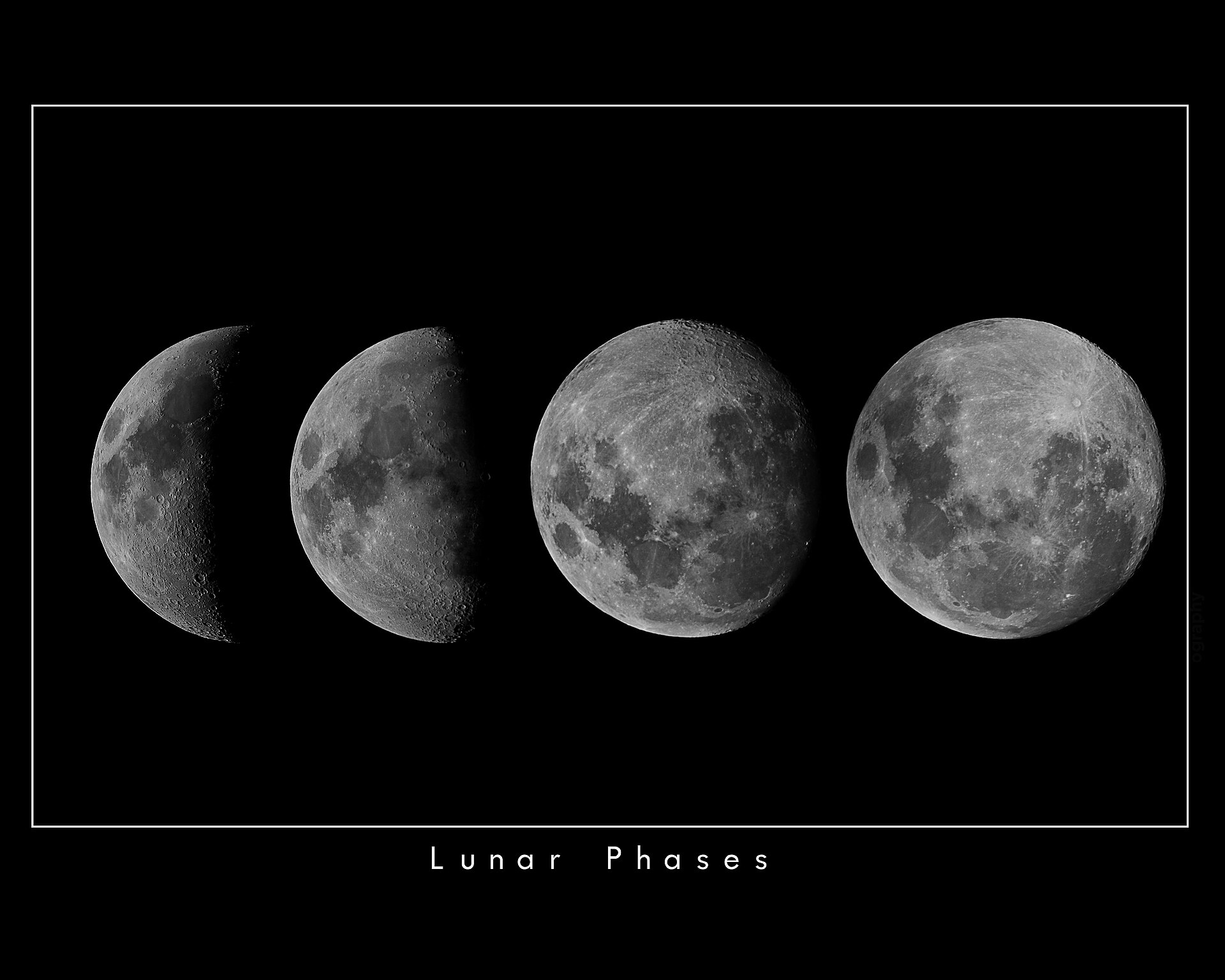
## The Moon Through the Twelve Signs: How Each Transit Is Read
The moon crosses all twelve signs in about a month, switching signs every two and a half days or so. That makes it the fastest-moving body in the chart, and astrologers treat each pass as a brief mood that colors a couple of days for everyone. This guide walks the twelve signs as transit moods, then untangles the mix-up that trips up most beginners.
## Reading the Moon Sign by Sign
### Aries Through Virgo
In Aries, the moon reads as restless and direct - a mood for starting things and acting on impulse. In Taurus, it slows down: comfort, steadiness, good food, staying put. Gemini turns the mood curious and talkative, suited to errands, messages, and quick conversations. In Cancer, the moon is at home, and the tone turns tender and protective, drawn to family or familiar rooms.
Leo brings warmth, play, and a wish to be seen; traditionally a mood for celebrating or making something. Virgo turns practical and precise, read as a good couple of days for lists, repairs, and tidying the details. The first half of the zodiac, then, moves from spark to order.
### Libra Through Pisces
Libra softens the mood toward company, fairness, and beauty - a stretch astrologers associate with compromise and making things pleasant. Scorpio deepens it: intense, private, all-or-nothing, good for research and honest conversations. Sagittarius lightens everything again with restlessness, optimism, and a taste for wide-open questions.
Capricorn turns serious and structured, read as a stretch for work, responsibility, and long-range thinking. Aquarius shifts toward the group, the unusual, and the future - ideas over formality. Pisces closes the circle with a dreamy, porous mood: music, imagination, rest, a softened edge. Then the cycle begins again in Aries.
These are moods, not orders. Astrologers read them as weather - something to notice and work with, not something that dictates a day.
## Transit Moon Versus Natal Moon: The Confusion, Explained
The distinction that confuses people most is simple once stated plainly. A moon transit is passing. It lasts about two and a half days at most, it happens for everyone at the same time, and it is read as a temporary tone over daily life. If you feel more talkative while the moon is in Gemini, the traditional explanation is that the mood of the moment lines up with the sign - not that anything permanent has changed.
A natal moon sign is fixed for life. It is the sign the moon occupied at your birth, and it stays there in your chart forever. Astrologers read it as an inner, private, emotional baseline - how you process feeling, what soothes you, what you need to feel safe. Someone with a natal Cancer moon is traditionally read as needing home and familiarity as a constant, regardless of where the transiting moon happens to be.
So the two can agree or disagree. When the transiting moon passes through your natal moon sign, astrologers often describe it as a monthly homecoming, a couple of days when the outer mood and the inner one match. When it passes through the opposite sign, the mood of the moment may feel out of step with your usual emotional rhythm. Neither is read as good or bad - just aligned or unaligned.
The moon through the twelve signs, and how each is read, becomes clearer once you keep the two ideas in separate rooms. According to NASA's overview of Earth's moon, our satellite completes a full orbit in about 27.3 days, which is why the sign changes arrive so quickly. The National Aeronautics and Space Administration notes that this orbital period underlies the moon's regular cycle, useful context for why astrologers treat it as a fast, repeating rhythm rather than a rare event.
## How Astrologers Use the Moon Day to Day
In practice, the transit moon is the most-used timing tool in everyday astrology, precisely because it changes so often. Readers track it to pick a tone for a project, a conversation, or an afternoon, and to understand why a mood shifted between Tuesday and Thursday. It is a reflection aid, not a schedule: the moon changes sign whether or not anyone is paying attention.
The natal moon, by contrast, is read once and referred to often - it belongs to the birth chart and to the long story of a person, not to the calendar. Most of the confusion between the two clears up as soon as you keep the words separate: transit for the passing mood, natal for the lifelong one. Related coverage on this site explains how the natal moon is read alongside the sun and rising signs, and how the other fast-moving bodies are timed.
Read the moon as a mood rather than a message. The sign it is passing through suggests a tone for a couple of days; the sign it held at your birth describes something steadier underneath. Both are worth knowing, and neither asks you to do anything about it.
Advertisement[IN_ARTICLE_6]
More From The Newsroom
Life's Finally Getting A Lot Less Intense For 3 Zodiac Signs For The First Time In 8 Years
Your Love Horoscope Is Here For Wednesday, September 23: Be Honest Today
5 Zodiac Signs Have The Best Horoscopes On Wednesday, September 23

5 Zodiac Signs Have A Lot More Financial Opportunities While Venus Is In Scorpio Until October 25
Horosly writes its own account of the story above and credits the outlet that reported it. Follow the source link for the publisher's original article. Disclaimer