
Born Under a Waxing Crescent Moon: What It Means
Moon

Born Under a Waxing Crescent Moon: What It Means

Born under a waxing crescent moon? What this lunar phase is said to mean in Western astrology, how astrologers read it, and how it differs from other

Nagi4 min read
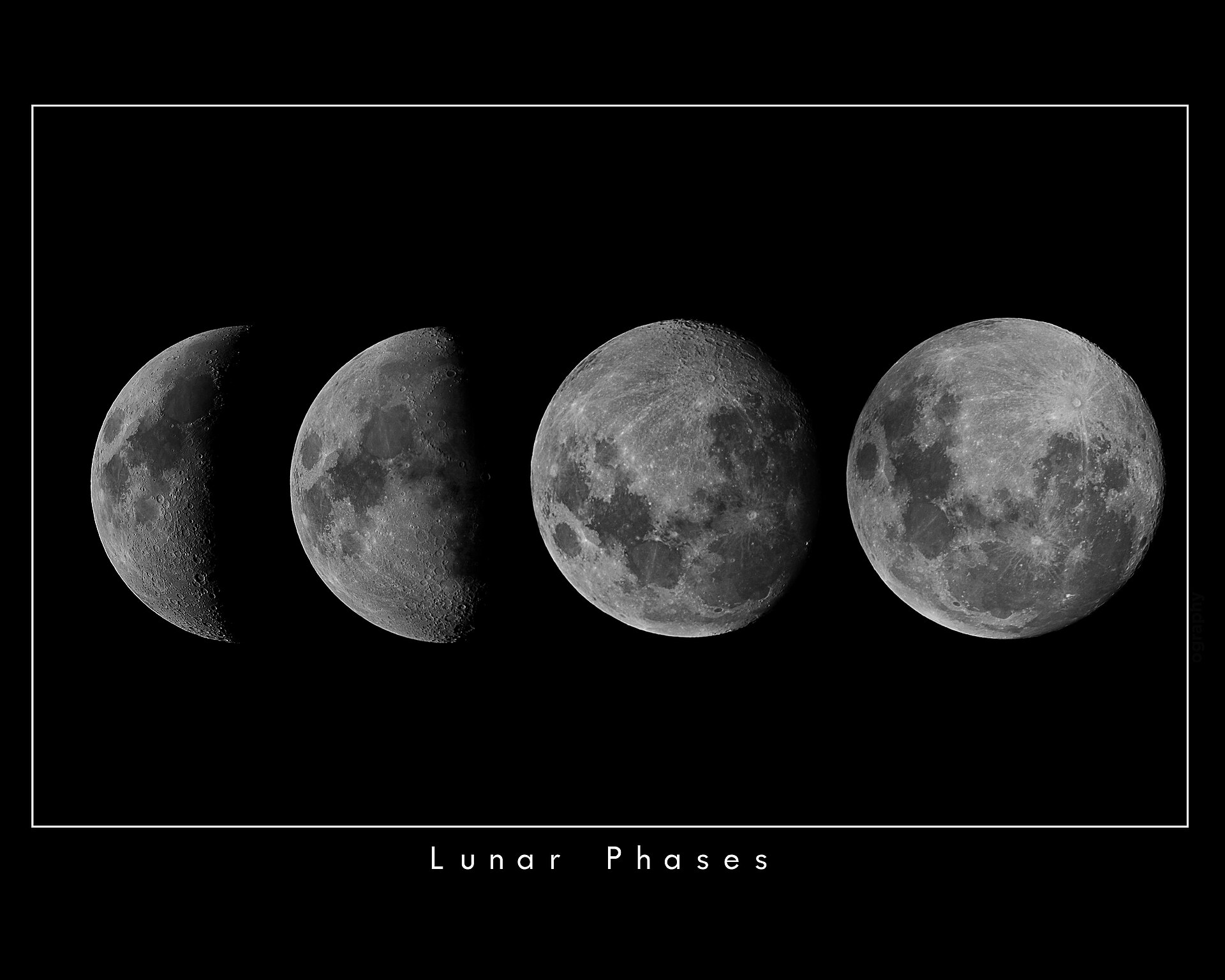
Photo: David Warrington from England / Wikimedia Commons (CC BY 2.0)

A birth under a waxing crescent moon carries a temperament of beginning, Western astrology holds: the first sliver of light after the new moon, tied to effort, intention and the early momentum of a project that has only just started to show itself. The phase is set by the angle between the Sun and Moon in a natal chart, not by the Moon sign alone. Astrologers treat it less as a personality verdict than as a tone that colors how a person is said to meet the world. Like every placement, it is neither good nor bad on its own; it is one note in a much larger chart.

What a Waxing Crescent Moon at Birth Is Said to Mean

The waxing crescent falls a short distance past the new moon, when a thin curve of light first appears. Astrologers read this moment as the point where a seed breaks the surface - not yet a plant, but unmistakably underway. People born under a waxing crescent moon are often described as having a forward lean: an instinct to start, to try, to keep a young idea alive before it has proof behind it. That quality is not so much confidence as willingness, the choice to move while the outcome is still unclear.

Because the crescent sits between the dark of the new moon and the fullness of the first quarter, it is read as a phase of appetite and reach: wanting something that is not yet in hand. The gap can surface as restlessness, a low tolerance for standing still, or an attraction to whatever is unfinished and possible. Astrologers tend to frame this as a creative itch rather than a flaw, though the same energy can read as impatience in a person who wants the harvest before the planting is done.

Reading the Crescent as a Temperament

The phase describes the relationship between the conscious self, carried by the Sun, and the emotional and instinctive life, carried by the Moon. At the crescent, the Moon has moved a little ahead of the Sun and is still gathering light. Astrologers read that as a life oriented toward what comes next, with feeling often running slightly ahead of intention. A person may sense the direction of a thing before they can explain it, or feel drawn to begin long before a plan is finished. In readings, this is usually framed as eagerness rather than haste, and as courage in small doses rather than grand arrival. Someone with this placement may find their strongest work comes from starting things and handing them on, or from keeping a beginner's openness longer than others do. None of it is a prediction; it is a frame astrologers use to talk about momentum, and readers tend to recognize the description rather than feel bound by it.

Finding the Phase in a Birth Chart

The phase is an angle, not a date, so any chart can be checked at any time. Take the degree of the natal Sun and the degree of the natal Moon, then measure how far the Moon has traveled from the Sun in zodiacal order; the waxing crescent occupies the early stretch after the conjunction. Many chart calculators display the phase directly, and the Sun-Moon angle is the figure to look for. For the underlying astronomy of lunar phases, NASA's moon phase pages are a reliable reference, and the historical glyphs and phase conventions are catalogued by the International Astronomical Union.

Phase and Moon Sign Are Not the Same Thing

The Moon sign says where the Moon sat - in Aries, in Cancer, in Scorpio - and colors the emotional style, the instincts and the private inner weather. The phase says how far the Moon stood from the Sun. It colors the arc of a life rather than its texture. A waxing crescent in one sign and a waxing crescent in another share the same forward, beginning-oriented tone but express it differently: the sign supplies the manner, the phase supplies the direction. Read together, they form a fuller picture than either alone.

It also helps to place the crescent against the rest of the lunar cycle. The new moon is read as pure potential, the first quarter as friction and decision, the full moon as visibility and culmination, and the waning phases as integration and release. The waxing crescent is the earliest, most tentative stretch of that arc, which is why it is associated with beginnings rather than arrivals.

For related reading, see the explainers on Moon signs and the other lunar phases, which together give the phase its fuller context. The crescent is a beginning, and beginnings read as invitations rather than instructions.

Today's Horoscope

November 14, 2026

All signs →

Get Your Horoscope in Your Inbox

A weekly note on your sign, the moon, and what the stars are up to. No spam, unsubscribe anytime.

We respect your privacy. Unsubscribe at any time.