
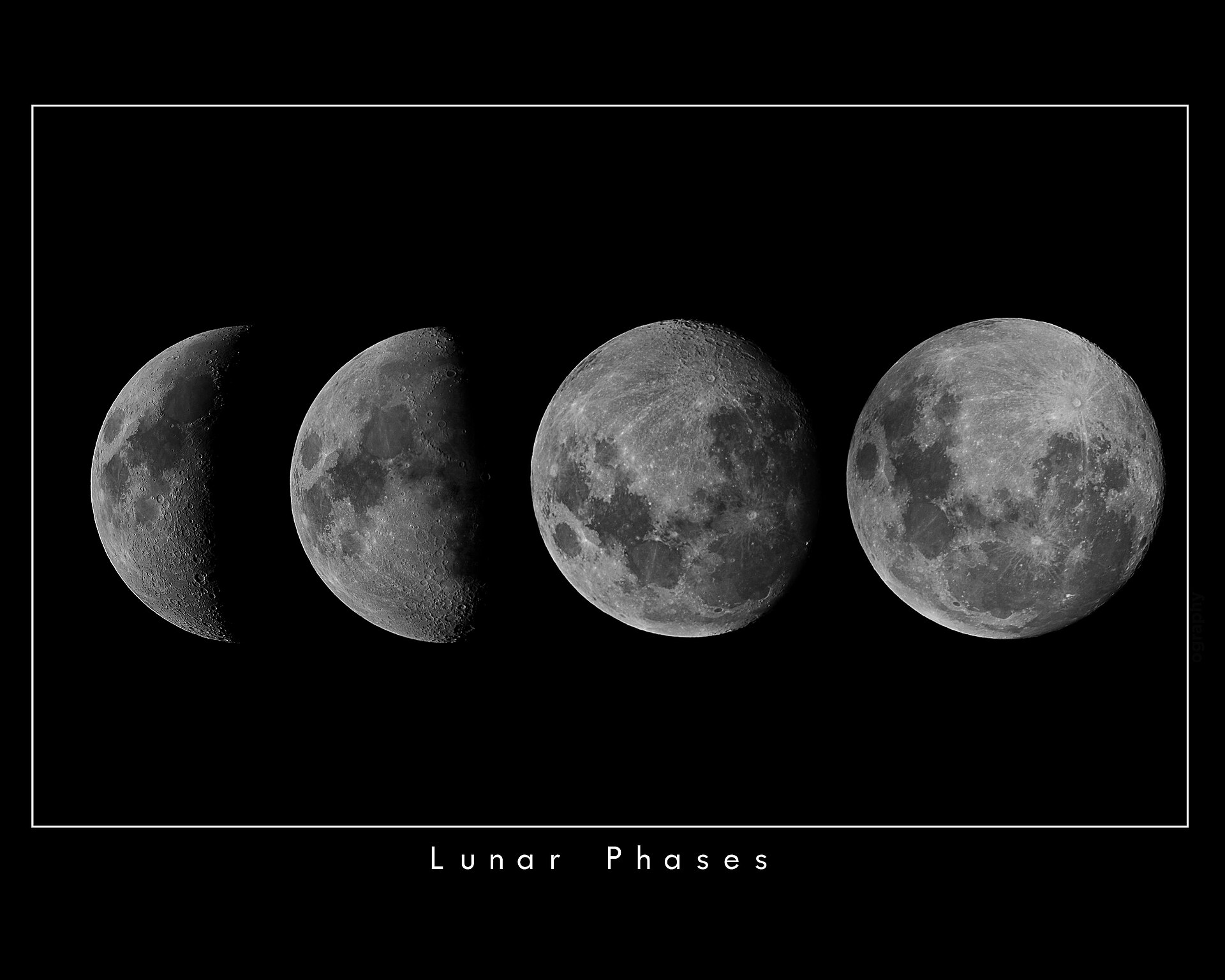
Moon in the First House: Meaning and Traits
Photo: David Warrington from England / Wikimedia Commons (CC BY 2.0)
Moon

Moon in the First House: Meaning and Traits

Bhavya5 min read

Moon in the First House: How Astrologers Read It

Moon in the first house is read as emotional life worn on the outside. In Western astrology, the Moon describes what you need in order to feel safe, your instinctive reactions, and the moods that move through you before you have words for them. The first house is the angular house of self, body, appearance, and the way you meet the world, naturally tied to Aries and its impulse to begin. Put the two together and astrologers read a person whose inner weather is visible, whose presence carries their feelings rather than concealing them.

Read as a placement rather than a verdict, it describes a style of being, not a fate. No placement is good or bad on its own; it simply shows where a planet's themes are said to play out most immediately. You can find related coverage on how the Moon is read across the chart alongside this piece.

Where Moon in the First House Is Read

The self, the body, and first impressions

The first house is the front door of the chart, so the Moon here is read as emotionally entangled with identity. Feelings arrive as part of who you are rather than as something happening to you. The instinct is to react first and reflect later. That can look like immediacy, warmth, and a face that answers before the mouth does.

Comfort, mood, and the need to be seen

Because the Moon wants comfort, this placement is often read as needing an audience of one or many: a sense that someone registers how you feel. Moods pass across the surface quickly. The body registers emotion early, so rest, food, and calm surroundings tend to matter more than they might for someone whose Moon sits in a quieter part of the chart. Traditional texts describe the Moon as the luminary of change and habit, a framing that modern astrologers still lean on when reading it here.

The pull of nurture and the changing self

The Moon rules the tides, so identity here is read as changeable in a way that is not a flaw. Who you are on a heavy day and who you are on a light one can feel like different people. Many with this placement are also read as naturally nurturing toward others, since their own needs sit so near the surface that other people's needs are easy to notice.

A Strong Expression and a Challenging One

Read at its best, Moon in the first house is a gift of presence. Feelings translate into approachability, and people tend to sense quickly that you are not performing. There is warmth without much guile, and a real talent for making a room feel less alone.

The friction runs along the same line. Because mood and self are so closely married, a passing feeling can harden into a self-description: sad becomes "I am sad," hurt becomes "I am someone who gets hurt." Reactivity can outweigh reflection, and the need to be met emotionally can leave the placement dependent on other people's responses to feel settled. Astrologers tend to read this not as damage but as the work of the placement: learning that a mood is weather, not identity. For background on how the Moon's phases and symbolism are understood, the NASA Moon fact sheet is a useful reference for the astronomy behind the imagery.

The Sign, the Cusp, and Aspects

Two modifiers do most of the work here, and they often matter more than the placement headline itself.

The sign on the first house cusp colors everything. A Cancer cusp deepens the nurture and the need for safety. An Aries cusp sharpens the reactivity and the instinct to act on feeling. A Capricorn cusp can read as someone who feels deeply but shows restraint, with the Moon's softness filtered through a more guarded manner. The Moon's own sign adds a second layer, describing the flavor of the emotional needs themselves.

Aspects to the Moon then adjust the volume. A trine to Venus is read as easy warmth and likeability; a square to Saturn as feeling watched or held back from showing what is underneath; a conjunction to the Ascendant as the placement stated plainly, for better and for worse. The house the Moon rules, found by locating Cancer in the chart, describes an area of life that tends to carry extra emotional weight.

One practical note: houses depend on an accurate birth time. A first house Moon is sensitive to a birth time that is off by even an hour or two, and without a reliable time, astrologers treat house placements as uncertain rather than fixed. The Astronomical Applications Department of the U.S. Naval Observatory is a standard reference for the kind of timing calculations charts rely on.

Living With It Reflectively

Taken as a whole, Moon in the first house is read as a life where feeling and selfhood are the same channel. The gift is honesty and immediacy; the practice is learning to let a mood arrive, name itself, and pass without being promoted to a fact about who you are.

Journaling, time alone after social intensity, and noticing the gap between a reaction and a response are the kinds of reflective habits astrologers might suggest alongside this placement. For anything touching emotional health or wellbeing, a qualified professional is the right person to talk to. What astrology offers here is a vocabulary for noticing patterns, not a script for what happens next.

Today's Horoscope

October 2, 2026

All signs →

Get Your Horoscope in Your Inbox

A weekly note on your sign, the moon, and what the stars are up to. No spam, unsubscribe anytime.

We respect your privacy. Unsubscribe at any time.