Moon Sextile Pluto in the Birth Chart Explained
Moon

Moon Sextile Pluto in the Birth Chart Explained

Moon sextile Pluto in a birth chart: how astrologers read this aspect for emotional depth, quiet resilience, and transformative growth.

Manishankar4 min read
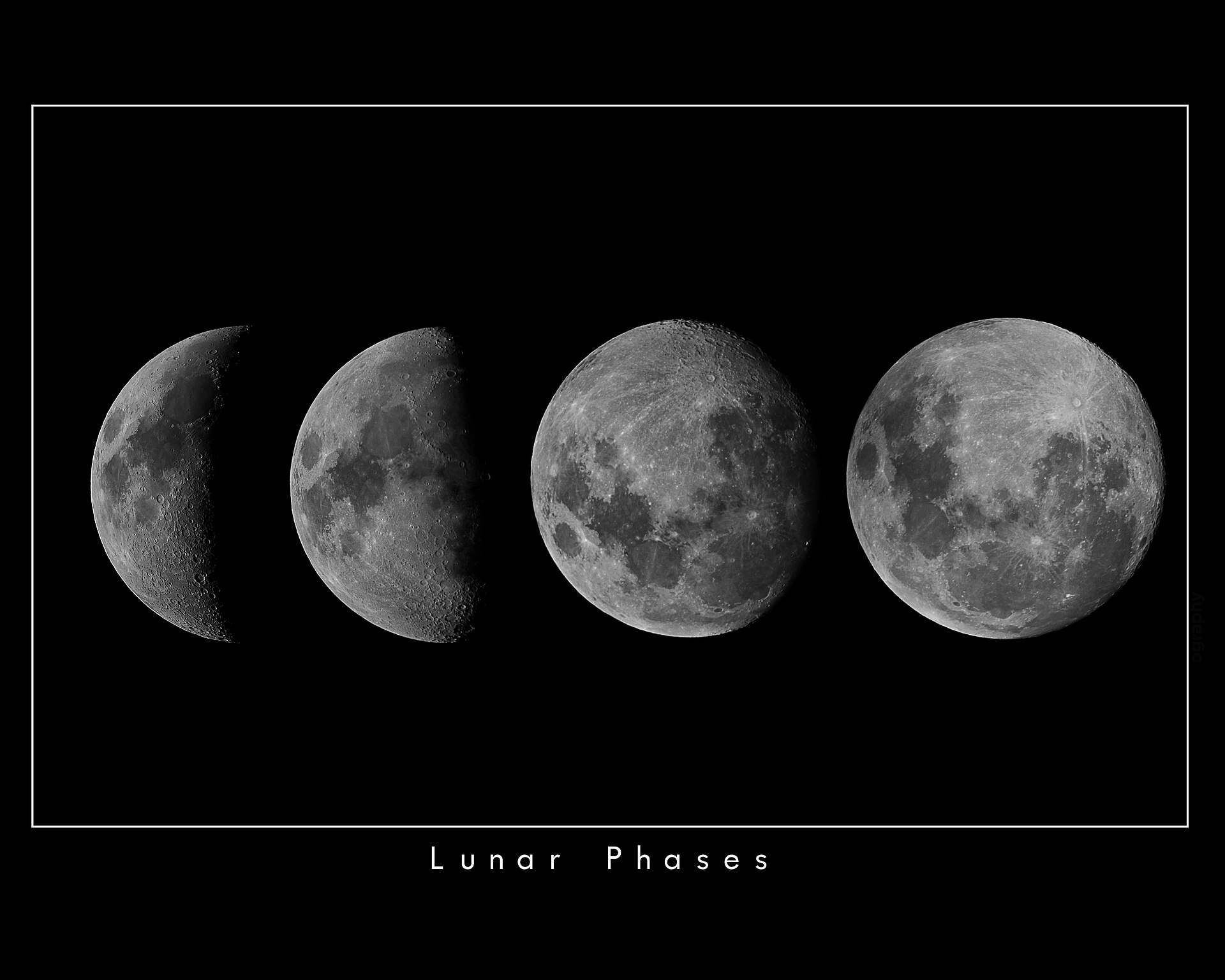
Photo: David Warrington from England / Wikimedia Commons (CC BY 2.0)

What a Moon Sextile Pluto Placement Is Said to Describe

A Moon sextile Pluto in a birth chart reads as a quiet well of emotional depth. Astrologers link the Moon to emotional needs, instinctive reactions and comfort, and Pluto to power, depth and transformation. When the two sit 60 degrees apart at birth, the pairing is often described as intensity that is available rather than overwhelming, a capacity to sit with heavy feeling and come out the other side. It promises nothing and settles nothing. It describes a resource that tends to reward attention.

Because the sextile is traditionally framed as an angle of opportunity, this aspect usually reads as an open door rather than a fixed outcome. The connection is called easy, which in practice means the potential is there to be used. What a person does with it is another matter entirely, and that is where the rest of the chart comes in.

How Astrologers Read the Sextile Itself

The easy angle

The sextile is one of the softer angles, read as supportive rather than frictional. A square or opposition is framed as tension that demands a response; a sextile is framed as a natural talent that tends to pay back when it is exercised. Applied to the Moon and Pluto, astrologers often describe an instinct for what lies beneath a mood, whether that mood belongs to the person or to someone nearby, along with a willingness to look at it without flinching. This is commonly read as emotional honesty rather than emotional drama. The sextile suggests the door is open, not that anyone walks through it automatically. Many astrologers note that easy aspects are the ones people most often leave unused, precisely because nothing forces the issue.

The orb that makes it personal

Astrologers generally allow an orb of about four to six degrees for a lunar sextile, tightening it for a more pronounced reading. Orb matters here for a practical reason. Pluto moves slowly, so an aspect involving it lingers in the sky for a long stretch and can touch a great many charts born across the same span of time. The orb is what tells you whether the contact is close enough to be read as personal to one chart rather than as general background. House placements do similar work, anchoring a broad planetary conversation in specific areas of a life. You can read more on how astrologers weigh orbs and house emphasis in our guides to chart basics.

Natal, not a passing transit

This is a fixed feature of the birth chart, not a mood of the week. A transit of Pluto to the Moon is read very differently: that is an event with a beginning and an end, and astrologers interpret it as a chapter rather than a trait. The natal sextile describes a standing pattern, which is why astrologers treat it as something to work with over a lifetime rather than a phase to wait out. The distinction matters for anyone learning to read charts, because the same two planets can appear in both contexts and mean quite different things.

Two Common Expressions, and How the Signs and Houses Shape Them

The steady expression

Read smoothly, the placement is said to describe someone who can hold heavy emotional material without being ruled by it. They may be the person others confide in, or the one who instinctively knows when a room needs honesty more than reassurance. Pluto's depth meets the Moon's need for comfort and produces a kind of resilience: difficulty is processed rather than avoided, and intensity becomes something to move through rather than something to fear. Astrologers frame this as the aspect being used, put to work in relationships and in self-understanding.

The challenging expression

The same contact can be read as emotional control, intensity that runs underground, or a habit of handling other people's feelings while keeping one's own out of view. Astrologers frame this as the aspect being used defensively rather than destructively. The resource is still there; it is simply pointed at protection instead of connection. If anything here touches on mental health or a pattern that genuinely worries you, that belongs with a qualified professional rather than a chart reading.

Signs and houses place the story

The signs show the style. A water Moon and a water Pluto read very differently from an air Moon and an earth Pluto, even under the same sextile, because the element colors how feeling is expressed and how depth is approached. The houses show the arena, putting the emotional and the transformative in conversation across two areas of life, such as home and community or work and inner life. Read together, signs and houses turn a general description into something particular to one chart. No combination is good or bad on its own; each is a set of conditions astrologers interpret rather than a conclusion.

A Moon sextile Pluto in a birth chart is best understood as an invitation. The depth is described as present and the door as open, and what unfolds from there depends on the whole chart and the person living it.

For background on how aspects are measured, see Astrodienst's introduction to aspects and Britannica's overview of astrology.

Today's Horoscope

November 26, 2026

All signs →

Get Your Horoscope in Your Inbox

A weekly note on your sign, the moon, and what the stars are up to. No spam, unsubscribe anytime.

We respect your privacy. Unsubscribe at any time.