
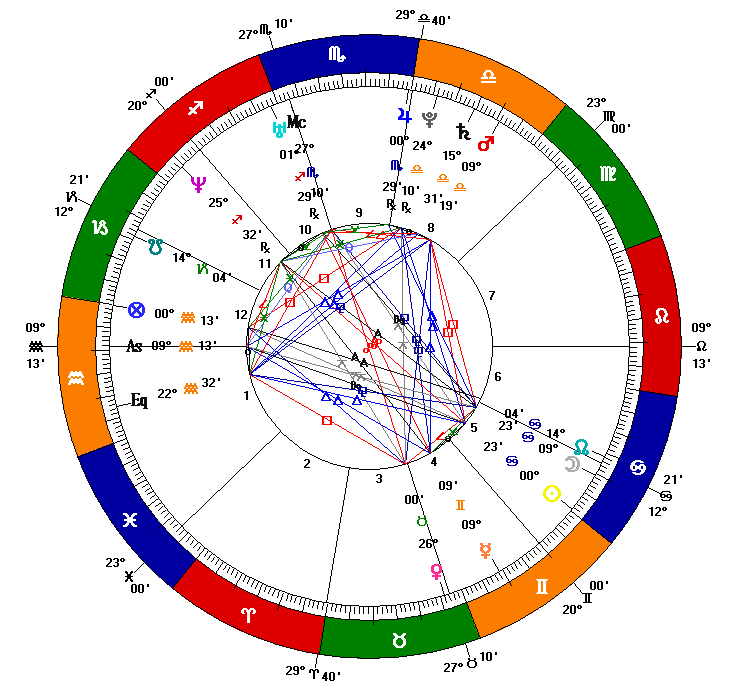
Neptune Transiting the First House: A Reading of the Softening Self
Neptune transiting the first house is read as a long, slow softening of the self. Neptune spends well over a decade in each house, so astrologers treat this as a chapter rather than a moment, one that colors identity, appearance and the way a person meets the world. Here is how that chapter is said to unfold whenever it happens, and how the rest of the chart shapes the reading.
How Neptune Transiting the First House Is Read
A transit is just the current position of a planet measured against a natal chart. It is not a verdict handed down. It is a lens through which a stretch of life is interpreted. When Neptune crosses the first house, that stretch runs unusually long, and the themes arrive gradually rather than all at once. The persona that used to fit may begin to feel slightly borrowed. Sensitivity to atmosphere, to other people's moods, to art and music that suddenly lands harder, tends to sharpen early.
Astrologers read this as the most personal real estate in the chart becoming more receptive and less defended. The self is not lost so much as changed in what it is made of. Because the passage lasts so long, the middle years are usually where the themes settle into a way of being rather than a disturbance. A gradual interest in the unseen, in contemplative practice, in creative work without an obvious commercial shape, is commonly described.
There is a caution astrologers attach to this phase: idealism that outruns practical grounding. Neptune is read for the beautiful and the vague in equal measure, so the invitation is to stay in touch with the body and with concrete commitments even as the inner life expands. If the themes stir up anxiety, grief or questions that feel bigger than a horoscope column, a licensed mental health professional is the right person to talk them through.