
Sun Sextile Moon in the Birth Chart, Explained
Moon

Sun Sextile Moon in the Birth Chart, Explained

Sun sextile Moon in a birth chart: what this easy alignments between your conscious and emotional selves is said to mean, and how astrologers read it.

Nagi4 min read
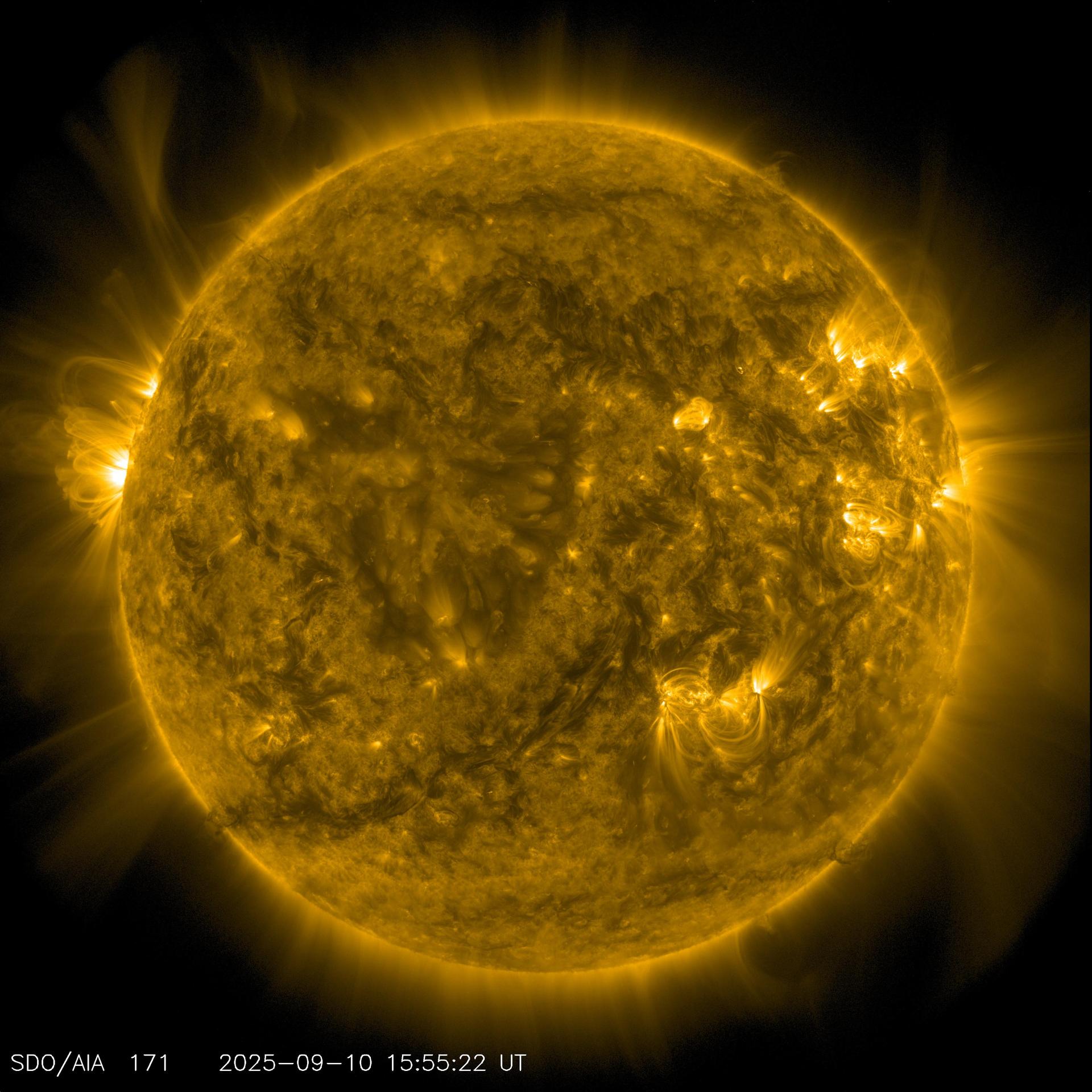
Photo: NASA/JPL / NASA (Public domain)

Sun Sextile Moon in a Birth Chart: What the Natal Aspect Is Said to Mean

Sun sextile Moon in a birth chart describes a Sun and Moon sitting roughly 60 degrees apart at the moment of birth. Western astrology reads a sextile as an angle of opportunity: an easy, cooperative link between two planets that tends to pay back when it is actively used. The Sun is read for identity, vitality and the core sense of self; the Moon for emotional needs, instinctive reactions and what brings comfort. Put the two together at this angle, and astrologers describe a quiet alignment between who someone is and what they feel they need.

How Astrologers Read the Sun Sextile Moon Combination

The Sun and Moon are the two most basic markers in a chart, the conscious self and the emotional self. An easy angle between them is generally read as internal cooperation rather than inner conflict. Astrologers often describe this placement as a person whose feelings and choices tend to move in the same direction, who can name what they need without much drama, and who feels most like themselves when their outer life and inner life agree. It is not a promise of harmony, and no placement is good or bad on its own. It describes a seam in the chart that is said to be easier to work with than most. The astrologer Dane Rudhyar framed the luminary pair as a map of the relationship between purpose and need, which is why an easy angle between them draws so much attention in a reading. For a broader look at how aspects work, the site's guide to the major angles in a chart pairs well with this one.

One Strong Expression

In its strongest form, the aspect is read as self-consistency. The person can pursue goals without feeling they are betraying their emotional truth, and can rest without feeling they have abandoned their ambitions. Astrologers often describe a natural sense of timing here, knowing when to push and when to retreat, along with an ability to recover equilibrium after stress. Because sextiles reward effort, the placement is said to work best when the person actually uses it: checking in with feelings before making a decision, or letting identity and comfort inform each other instead of running on one alone.

One Challenging Expression

The gentler side of a sextile can also be read as a tendency to coast. Because the connection is easy, some astrologers suggest the person may not notice when emotional needs and outward identity have quietly drifted apart, or may avoid the friction that would force a real conversation with themselves. The challenge is rarely dramatic. More often it looks like mild complacency, an assumption that inner alignment will simply continue without attention. Read that way, the aspect asks for small, regular acts of self-honesty rather than crisis management.

The Usual Orb

Astrologers generally allow an orb of about 4 to 6 degrees for a sextile between the Sun and Moon. Many work tighter, around 3 degrees, when they want the aspect to carry real weight in a reading. A wider sextile may be noted but treated as background texture. Orb conventions vary by practitioner, so the same chart can be read with slightly different emphasis from one astrologer to the next. The reference material at AstroWiki is a useful primer on how these tolerances are applied.

How the Signs and Houses Shape the Aspect

The sextile describes the connection; the signs and houses describe the material it works with. The Sun's sign colors how identity expresses itself, its style and preferred register. The Moon's sign shows the flavor of emotional need and comfort. Compatible elements, such as an air Sun and a fire Moon, are often read as making the aspect feel especially fluent, though astrologers disagree on how much weight to give element matching. The houses matter just as much. The house holding the Sun is read as the arena of self-expression; the house holding the Moon as the arena of emotional life. A Sun in the tenth house sextile a Moon in the eighth, for example, is read as a link between public identity and private emotional depth, two areas of life that, for this person, are said to speak to each other easily.

What This Placement Is Not

This is a natal aspect, not a passing transit. It describes a fixed feature of the birth chart rather than something arriving or departing on a schedule. It is also not a verdict. Astrologers read Sun sextile Moon as a resource, a channel between self and feeling that can be leaned on, and like any resource in a chart, its value depends on how consciously it is used. For questions about emotional health or major life decisions, a qualified professional is the right place to turn. Astrology here is reflection and entertainment, a vocabulary for thinking about temperament rather than a prediction about what will happen.

Today's Horoscope

November 12, 2026

All signs →

Get Your Horoscope in Your Inbox

A weekly note on your sign, the moon, and what the stars are up to. No spam, unsubscribe anytime.

We respect your privacy. Unsubscribe at any time.

Sun Sextile Moon in the Birth Chart, Explained | Horosly